
Why Europe Still Needs Russia to Keep the Lights On
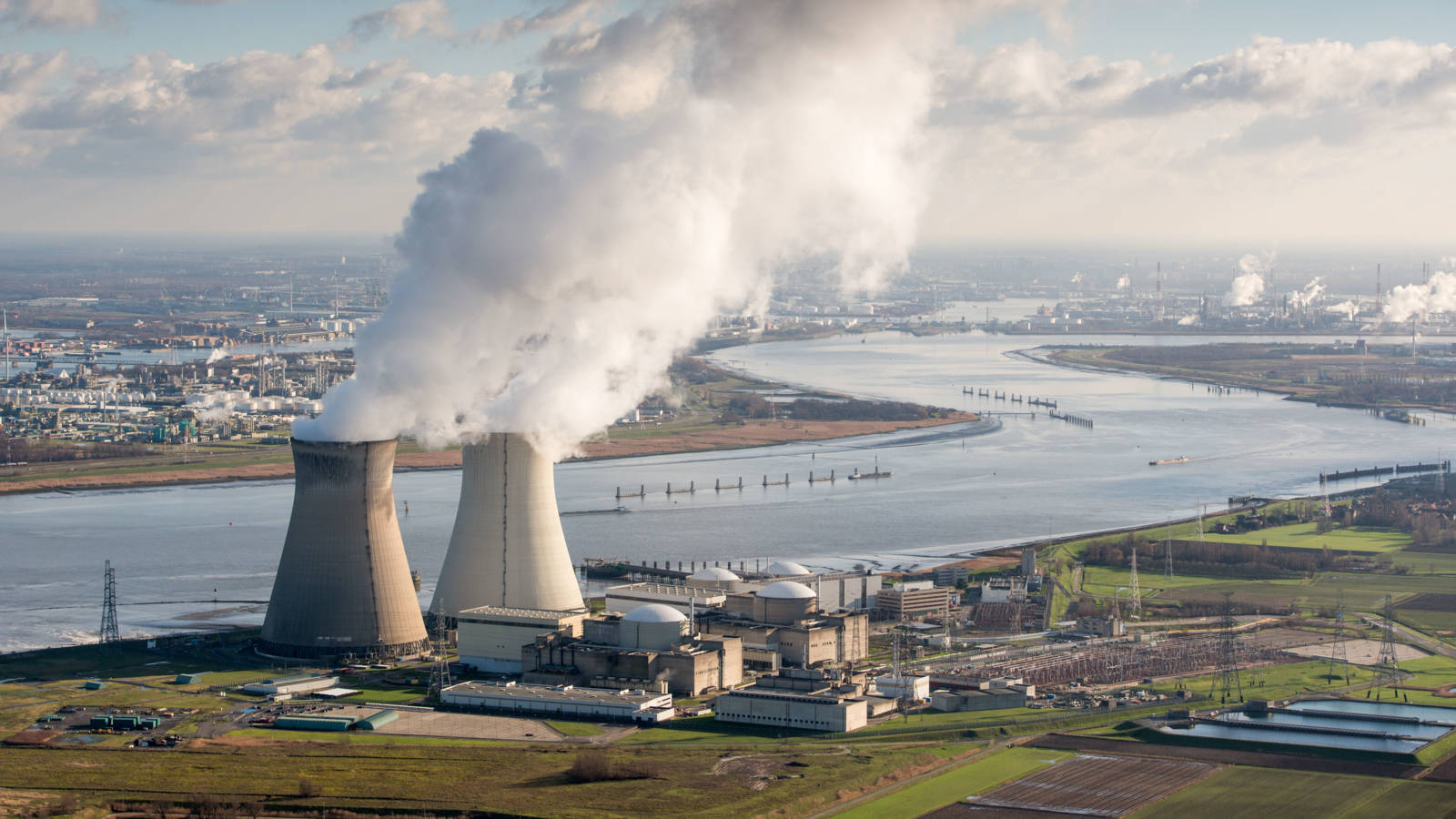
The Belgian nuclear power plant of Doel
By Frank Dumon
The EU wants to ban Moscow from its nuclear sector, just as it has with natural gas and LNG, but its reactors remain inextricably linked to Russian fuel, technology, and capacity. While Brussels dreams of energy independence, the reality of European energy supply still largely runs on Russian expertise. Last week, fuel loading began in the last unit of the Slovak Mochovce nuclear power plant. This is the final step before the plant becomes commercially operational later this summer. The project, whose construction was launched by the Soviet Union in 1987, in a world that has long since disappeared, will propel Slovakia into a leadership position for nuclear energy in the EU.
But this step, however positive it may seem for the beleaguered European energy sector, does not come without entirely predictable controversy. The nuclear fuel for the new reactor is supplied exclusively by TVEL Fuel Company, a subsidiary of the Russian state-owned enterprise Rosatom. This occurs while the European Commission has proposed to end dependence on Russian nuclear fuel by the early 2030s at the latest, as part of a plan to completely break away from Russian energy.
Uranium products are essential for the operation of nuclear reactors that generate nearly a quarter of electricity in the European Union. Nuclear energy is expected to grow in the coming years. Russia is a giant in the global nuclear industry. One in four nuclear reactors worldwide is connected to Russia. The country accounts for an estimated 45% of global uranium enrichment capacity, 20% of conversion capacity, and 10% of nuclear fuel fabrication capacity.
The Illusion of Independence
The EU currently imports just under a quarter of its nuclear fuel from Russia. Through Rosatom, Moscow controls a significant portion of the global nuclear fuel supply chain. Europe is dependent on Russia at multiple stages of the process. Discussions about Europe's dependence on Russian nuclear fuel often treat what is actually a series of specific industrial processes as a single category. To understand why decoupling is so difficult, we must look at the uranium fuel cycle: how nuclear fuel is mined, processed, used, and disposed of.
The process unfolds as follows: Uranium is mined, converted into a gas, enriched, and then manufactured into so-called fuel assemblies: the final product that actually goes into the reactor. It is these fuel assemblies that are capable of sustaining a nuclear fission reaction. The EU is dependent on Russia at every stage of this process.
Raw Material: Raw Uranium
Uranium is mined in many countries and is widely distributed worldwide. However, Europe is completely dependent on imported uranium. Although the origin of uranium entering the EU is relatively diversified, approximately 40% of EU uranium imports still came from Commonwealth of Independent States (CIS) countries, mainly Kazakhstan (25%) and Russia (15%). Replacing Russian uranium ore supply would not necessarily pose a major challenge for the EU, given that Russia provides only a small portion of global primary supply. The real problem lies further downstream in the processing chain.
Conversion Services: A Specialized Bottleneck
Conversion is the process by which uranium is transformed into uranium hexafluoride, the chemical form needed for enrichment. The market for conversion services is concentrated, with only a handful of major providers worldwide. Russia holds a strong position in this segment. The EU meets approximately 20% of its conversion service needs domestically. Conversion services from Russia account for a similar share, although this figure has declined somewhat in recent years. Historically, Russian conversion services were cheaper than Western alternatives. Expanding capacity is a stated goal for Europe, but conversion is a highly specialized industrial activity requiring dedicated facilities and significant capital investment. This cannot be achieved quickly.
Enrichment: Where the Power Lies
Natural uranium, as it occurs in the Earth's crust, consists mainly of a mixture of two main isotopes: U-238 and U-235. The former is much more abundant, but it is U-235 that actually sustains a controlled nuclear chain reaction that releases enormous amounts of energy. The problem is that U-235 makes up only about 0.7% of mined uranium, while most reactors for electricity production need fuel in which the proportion of U-235 is around 3–5%. The process of increasing the concentration is called enrichment. Enrichment occurs via centrifuges, ultra-fast spinning tubes that take advantage of the fact that U-238 is slightly heavier than U-235. When spun thousands of times, the heavier isotope shifts slightly more outward than the lighter one. This process is repeated in long cascades of machines until the desired concentration is reached.
Enrichment capacity is where the bottleneck usually lies. Only a small number of countries can perform enrichment on an industrial scale, including Iran, and even fewer can do it cheaply and consistently. Russia can do both. European utilities, including operators of Western-designed reactors, buy Russian enriched uranium because it is available, competitive, and reliable. Russian enriched uranium is sometimes even purchased for non-Russian reactors. This is possible because it makes no difference to the reactors where the enriched uranium comes from. The fuel only needs to meet the required specifications.
Replacing Russian capacity would require expansion of existing infrastructure, as well as new projects currently being considered in Europe. According to Eurostat data released in June, exports of Russian enriched uranium to the EU rose sharply in early 2026, to €163.5 million ($185.9 million) in the period from January to late April, compared to €20.7 million in the same period the previous year. It is widely acknowledged that Russia will remain an important supplier for the time being.
Fuel Assemblies: The Most Acute Dependence
Unlike enrichment, fuel assemblies—the fuel rods actually loaded into the reactor—are a highly specialized product tailored to specific types of reactors. This is also the EU's most acute and entrenched dependence. Currently, there are 101 nuclear reactors in operation in the EU, of which 19 are Russian-designed pressurized water reactors (VVER). Russia is the primary supplier of VVER reactor types worldwide, including those in Europe. There are two types of Russian-made reactors: the older VVER-440, developed during the 1960s and 1970s by the Soviet Union, and the newer VVER-1000.
The VVER-440 has an electrical output of approximately 440 MW per reactor (hence the name) and uses a characteristic hexagonal fuel assembly. VVER-440s are still in operation in Slovakia, Hungary, Czech Republic, and Finland.
The VVER-1000 is the later generation. Developed in the late Soviet period, the VVER-1000 is larger and more efficient. It also uses hexagonal fuel, but the assemblies are not interchangeable with those of the VVER-440. The VVER-1000 is by far the most common Russian reactor design internationally.
The distinction is important because diversification has occurred in different phases. Bringing alternative fuel assemblies to market for the VVER-440 has proven to be a slower process than for the VVER-1000, not least because fewer VVER-440 reactors are still in operation, making the commercial case for developing alternative fuel less attractive.
The North American company Westinghouse began developing alternative fuel for the VVER-1000 years ago, but only recently for the VVER-440. It has developed alternative fuel designs and signed contracts with various European operators, but production capacity remains insufficient to meet full regional demand if Russian supplies were suddenly cut off.
In Slovakia, VVER-440 reactors generate 62% of the country's electricity production (the new reactor in Mochovce is a VVER-440). In Hungary, that figure is 42%. As discussed above, alternatives for fuel supply for this type of reactor are extremely limited and production capacity is constrained. Although countries tend to stockpile nuclear fuel to serve as a buffer, any prolonged cessation of Russian fuel deliveries would therefore risk serious electricity shortages in the region.
The Way Out of Dependence Runs... Through Russia?
The other Western company involved in supplying VVER fuel is the French Framatome. But it is not yet ready to produce fully independent VVER fuel and instead does so under license from TVEL. The two companies agreed on a long-term partnership in 2021 to manufacture nuclear fuel and also established a joint venture in France.
This fact alone is telling. If an experienced company like Framatome is still dependent on Russian technology rather than waiting until its own design is completed, it shows that the technological transition is quite complex. Framatome is pursuing a plan to manufacture nuclear fuel rods and assemblies at a facility in Lingen, Germany, for VVER-1000 reactors. The company argues that the project is crucial for EU energy security. But it would be based on the aforementioned Franco-Russian joint venture with Russian components supplied by TVEL, although the Russian company would not be directly involved in operating the plant.
Framatome has intensively lobbied Germany to approve the project. Lionel Gaiffe, senior vice president at Framatome, told *Politico* that the project would lead to "a truly European solution that is 100% sovereign," adding: "Only Framatome can do that." This is not a vision of "100% sovereignty" shared by everyone. The Ministry of Environment of Lower Saxony, where permission ultimately must be granted, is unimpressed: "It is not clear to us how licensed manufacturing and production with Russia, with Russian machines, expertise, and finished fuel assemblies from Russia, can lead to a reduction in dependence on Russian fuel assemblies."
How Russia Conquered Its Market Position
During the Soviet Union period, enormous resources were allocated to strategic industries without short-term profitability strategies, with redundancy and scale prioritized for reasons of national security. This led to vertically integrated nuclear systems, a legacy that post-Soviet Russia has preserved and further developed. Rosatom was the last ministry from the Soviet era to be reorganized as a multinational, which took place between 2006 and 2008. It consolidated most industrial companies and many research centers in the nuclear sector, both military and civilian, under one umbrella. It was also tasked with becoming an export leader, a mandate it has successfully fulfilled.
Rosatom is unusually vertically integrated by Western standards and can deliver projects with greater ease of coordination. Western nuclear projects, by contrast, are often delivered by complex consortia. These can involve multiple contractors, utilities, financing institutions, and subcontractors. This fragmentation can seriously complicate coordination, especially when projects experience delays or cost overruns. The Olkiluoto 3 nuclear power plant in Finland illustrates such risks. It experienced a 14-year delay, very large cost overruns, and extensive arbitration between companies due to contractual disputes.
What Does This Mean for Europe?
Several EU countries are adding nuclear reactors to strengthen energy security without burning fossil fuels and thereby compromising climate goals. This naturally complicates the political objective of completely sidelining Russia. The technology to break away from Russia exists, but the capacity does not. It can be built, but at high costs and over a period of years. This will require long-term commitments, sustained political will, and acceptance of higher costs for nuclear energy. It is also worth keeping in mind that technical systems of this nature move slowly, while geopolitical narratives move quickly.
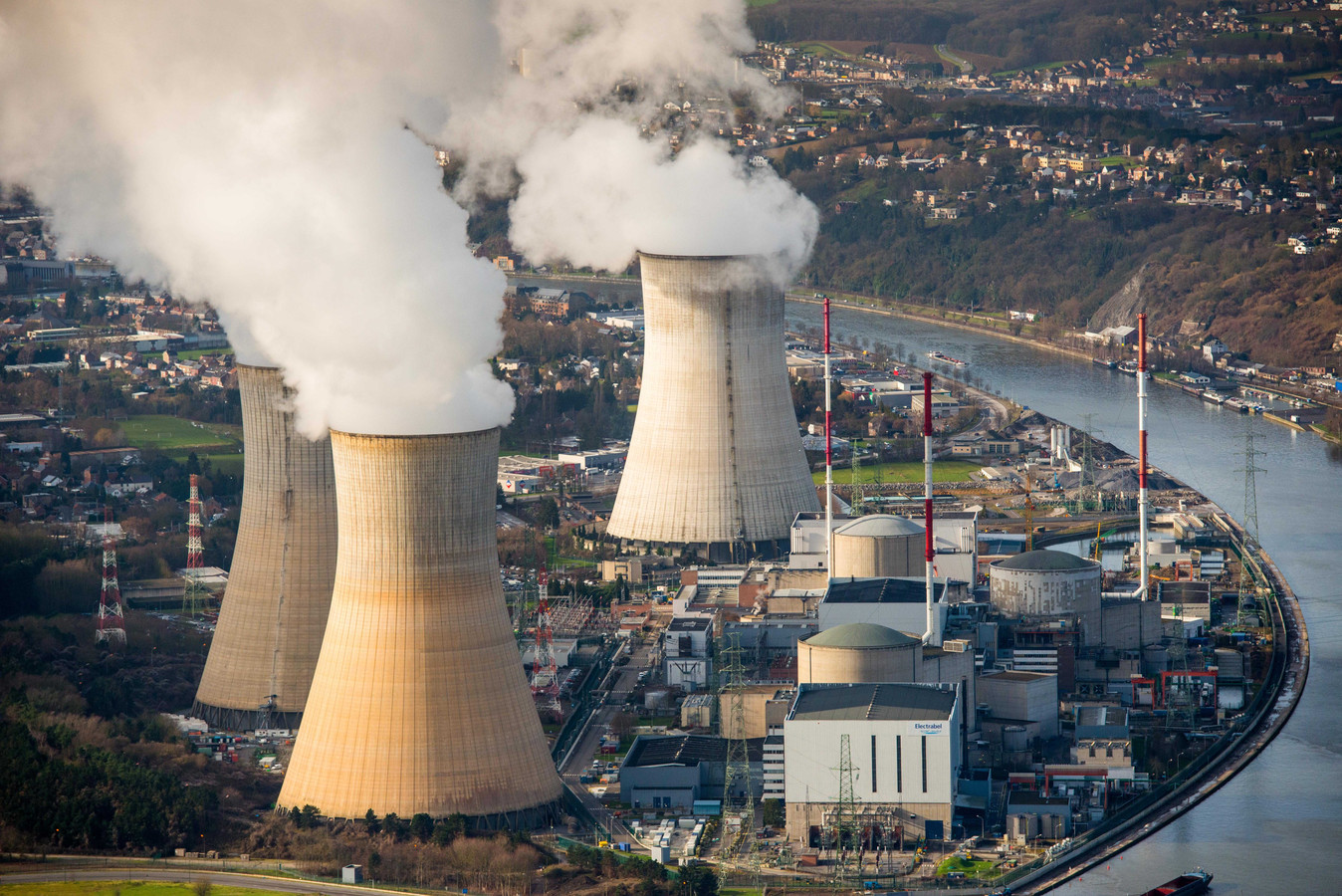
The Tihange nuclear power plant in Belgium
Nevertheless, The Hague Institute concludes: "Despite these formidable challenges... complete independence from Russian nuclear fuel services is technically feasible within a timeframe of 2030-2035, but success will require sustained political commitment, support, and significant financial investments. The search for alternative fuels is unlikely to yield results through competitive means alone, and considerable public engagement is required."
These last words are important. It means that the taxpayer ultimately foots the bill. The EU is an extensive administrative bureaucracy with sophisticated channels for reshuffling costs, which always results in a growing mountain of debt. The higher costs are not absorbed at one point but spread throughout the system to obscure the truth. Europe may eventually achieve its goal of breaking away from the Russian nuclear fuel supply chain. Whether Europeans will reap any benefits from that hard-fought victory remains to be seen.
For now, the lights in Brussels, Paris, and Berlin continue to burn thanks to technology and fuel from the East. An ironic fate for an EU that sees itself as the moral compass of the world, while practically speaking it remains stuck in the infrastructure of its supposed rivals.
Sources
- Slovak Nuclear Regulatory Authority (UJDSR) - Commissioning permit Mochovce Unit 3, May 2026
- World Nuclear News - Fuel loading completed at Mochovce NPP Unit 3, July 2026
- POLITICO Europe - "Europe's newest reactor prepares to start up after 39-year wait", June 2026
- Haneklaus et al. - "Dependencies of the European Union and the world on Russian nuclear fuel cycle services", ScienceDirect, 2025
- European Commission - REPowerEU: 4 years on, 2025
- Enstrat - "Beyond politics: Can the EU really phase out Russian nuclear fuel?", 2024-2025
- Thundersaid Energy - Uranium enrichment by country, company, facility
- Enerdata - Global Uranium Enrichment & Future World Nuclear Energy
- Finnish Institute of International Affairs (FIIA) - "Russia and Kazakhstan in the global nuclear sector"
- World Nuclear News - Framatome signs VVER-440 fuel agreement with EU utilities
- NucNet - Framatome signs agreement with Slovakia for alternative fuel
- Westinghouse Nuclear - VVER Nuclear Fuel solutions
- The Hague Institute for Global Justice - "The EU is dependent on Russian nuclear fuel – but not for long"
- Big News Network - "Why Europe still needs Russia to keep the lights on"