
Price Differences Between European and Chinese Products
By Frank Dumon
Part 1: The Illusion of the European Brand
For decades, the European consumer has been fed a carefully constructed narrative: that "European quality" is synonymous with superior engineering, durable materials, and a fair price. However, this narrative has long ceased to be anything more than a marketing construct. The reality of the globalized supply chain tells a completely different story. What we buy in Europe as a proud, indigenous product is, in the vast majority of cases, designed, manufactured, and assembled in Asia, only to end up on European shelves with a markup of hundreds or even thousands of percent.
This practice is not a coincidence but a deliberate business model. European companies have withdrawn from actual production and have transformed into brand managers and rent-seeking intermediaries. They reap the benefits of decades of built-up brand loyalty, while the physical labor and industrial innovation take place elsewhere. The result is a market distortion that unnecessarily burdens the consumer.
The Sanitary Paradox: Grohe versus MORADO
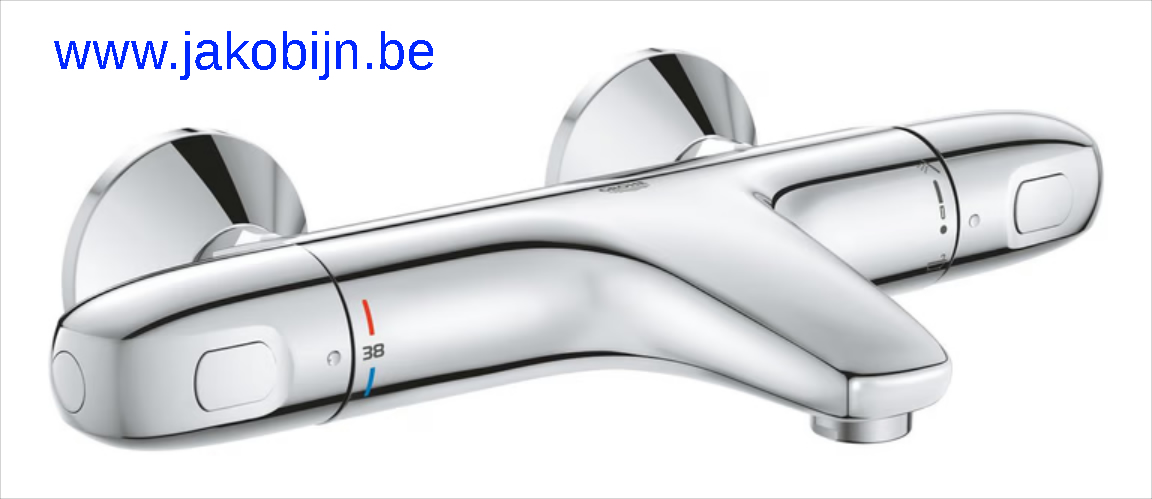
Take the everyday example of a bathroom faucet. A consumer looking for a thermostatic bath mixer from the German top brand Grohe will quickly pay €451. Official Grohe product page. The brand exudes solidity, and the consumer assumes that this price is justified by German precision and high-quality materials.
However, reality is more stubborn. A functionally and aesthetically nearly identical faucet from the brand MORADO is available for €66 at https://www.amazon.com.be/. Both products are of the same basic quality, made with the same core components (such as brass bodies and ceramic discs), and are sold under the exact same European VAT regime (21% in Belgium). The crucial, but often concealed detail: both products are manufactured in China, often even in the same industrial regions or by the same contract manufacturers.
The price difference of €385 is therefore not a reflection of a difference in material cost or labor wage. It is the price of the "illusion tax": the cost of maintaining a Western marketing machine, the margins of the wholesaler, the retailer, and the brand markup charged for the name on the box.
The Kitchen Faucet Gap: Franke versus Direct Import
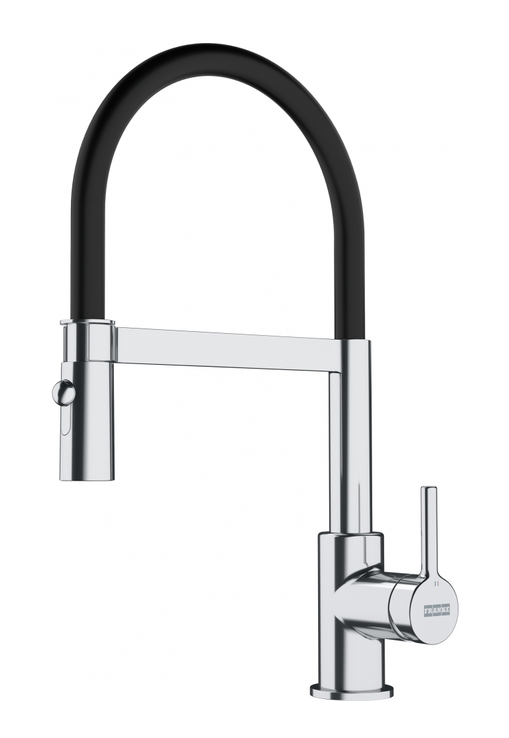 This dynamic is even more starkly visible with kitchen faucets featuring a sprayer. A model from the Swiss brand Franke is offered in the Benelux for €429.55. Official Franke product page. The Chinese counterpart, with comparable specifications regarding flow rate, finish, and functionality, is directly available via platforms like AliExpress for only €33.29. AliExpress search results kitchen faucets.
We are talking about a price difference of a factor of thirteen. This is not a marginal deviation; this is structural price gouging. European companies have made fortunes by selling their products, manufactured in China, at least ten times more expensive in Europe. They rely on a distribution monopoly and the assumption that the consumer does not know better or has no alternative. Change is slowly coming due to the direct sale of Chinese products in Europe, and a European public that no longer accepts this, but also simply can no longer afford those European prices.
This shift is fundamental. The internet and the rise of direct logistics networks have lifted the veil of the brand myth. Today, the consumer can verify with two clicks that the "premium" European experience is essentially a good produced in Asia, supplemented with a Western manual and an inflated price tag. The refusal of the European public to tolerate this any longer is not a sign of declining quality standards, but of a suddenly regained market rationality. Inflation in Europe is not tamed by the monetary policy of the European Central Bank, but by the hard, relentless competition from products that finally show their true, fair price.
Part 2: The Pharmaceutical Industry, an Extreme Example
Where the overpricing of a bathroom faucet is an annoyance for the wallet, the price markup in the pharmaceutical industry is a matter of life, death, and systematic exploitation. If the sanitary sector already has a price difference factor of ten to thirteen, then the differences in the pharmaceutical world are many times greater and morally more reprehensible. Here, the myth of "superior Western quality" is used not only to maximize profit but also to maintain a semblance of indispensable innovation, while the physical reality of production has long been located elsewhere.
Generics versus the Myth of the Western Brand
The open secret of global healthcare is that the backbone of Western pharmacy is cast in Asia. It is estimated that more than 70 to 80 percent of global production of Active Pharmaceutical Ingredients (APIs) is manufactured in China and India.
Large, publicly traded European and American pharmaceutical giants are often essentially no more than assembly and marketing offices. They buy the bulk chemicals, press them into a pill, put them in a box with a recognizable logo, and sell them with a profit margin that exceeds the original production costs by hundreds or thousands of percent.

Take the example of common medications, such as certain cholesterol-lowering drugs, blood pressure medications, or painkillers. The brand-name version, promoted through years of aggressive marketing campaigns, can be 10 to 50 times more expensive in the Belgian pharmacy than the generic alternative. And that generic alternative contains exactly the same active ingredient, in the same dosage, with the same bio-equivalence. Often, that substance even comes from the same Chinese factory that also supplies the raw materials for the expensive brand. The only difference is the name on the package and the profit margin demanded by the Western distribution chain.
The industry's standard defense is that these high prices are necessary to finance "research and development" (R&D). However, this argument has long become transparent. A significant portion of fundamental, high-risk research is funded by public funds (universities and government subsidies). The pharmaceutical industry privatizes the profits from this public research while shifting the costs of the actual, routine production to low-wage countries.
The Breakthrough of Transparency and the Limits of the Monopoly
For decades, this practice could continue unhindered, protected by a complex web of patents, regulations, and a medical culture that blindly trusted the brand. The doctor prescribed, the pharmacist dispensed, and the patient paid (or the insurance company did, removing price sensitivity from the end-user). But this model is crumbling.
Thanks to the internet, the information asymmetry has been broken. Patients today are more vocal. They compare package inserts, search for the origin of their medication, and realize they are being exploited. The rise of parallel imports and the increasing availability of generic drugs, sometimes even through direct channels or specialized online pharmacies less bound by local cartels, is forcing a price correction. The European public no longer accepts this, not only on principle, but because they simply can no longer afford those European prices in a time of stagnant wages and exploding energy bills.
The pharmaceutical industry shows the ultimate hypocrisy of the Western economic model: they preach 'strategic autonomy' and 'de-risking' towards China, while their own profitability and the functioning of their healthcare system are completely dependent on the uninterrupted, cheap flow of Chinese chemical raw materials. Once the consumer sees through this, the curtain falls for Western brands.
This dynamic exposes a fundamental vulnerability of Europe. While Brussels invests political energy in imposing new tariffs or moralizing about supply chains, the daily reality is that European prosperity – and in this case public health – depends on the industrial capacity of the country it is trying to politically contain. The consumer who chooses the cheaper, generic, or directly imported alternative is not a naive consumer sacrificing quality. He is a rational actor who refuses to continue paying the bill for a Western business model that has lost its relevance.
Part 3: Additional Illustrations from the Consumer Market
The dynamic visible in sanitary ware and pharmacy is not an isolated phenomenon. It is a structural feature of the modern world economy. Wherever European consumers look, they find the same paradox: products of comparable, often identical quality, with a price tag that exceeds real production costs by a multiple. Two sectors illustrate this particularly sharply: power tools and household appliances.
Power Tools: The Cordless Drill Myth
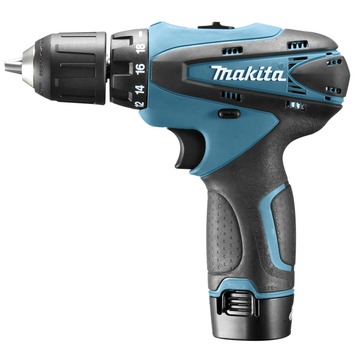
The home improvement and DIY sector has traditionally been a stronghold of European and Japanese brands. A professional 18V cordless drill from an established brand like Makita, DeWalt, or Milwaukee costs between €250 and €350 in the Benelux. The consumer is led to believe that this price is justified by superior Japanese or American engineering, durability, and precision.
However, the reality is that these machines have long ceased to be produced in Japan or the US. They are assembled in the same industrial regions in China – mainly Zhejiang and Guangdong – as their cheaper competitors. A functionally identical 18V brushless cordless drill, with comparable torque, lithium-ion battery cells, and copper windings, is directly available via platforms like AliExpress or Amazon for €60 to €90.
The price difference of a factor of four to five is not the result of a difference in material cost or labor wage. Both machines use the same Chinese battery cells, the same Chinese motors, and the same Chinese circuit boards. The difference is purely the brand markup, the marketing budget, and the margin of the European distributor who lets the product pass through a chain of intermediaries before it reaches the consumer.
Household Appliances: From Vacuum Cleaners to Air Purifiers
The household sector shows an even more extreme form of price markup. An advanced air purifier with a HEPA filter from a renowned Western brand (such as Philips, Dyson, or a similar premium brand) costs €300 to €500 in the European market. The consumer pays for the promise of clean air and technological superiority.
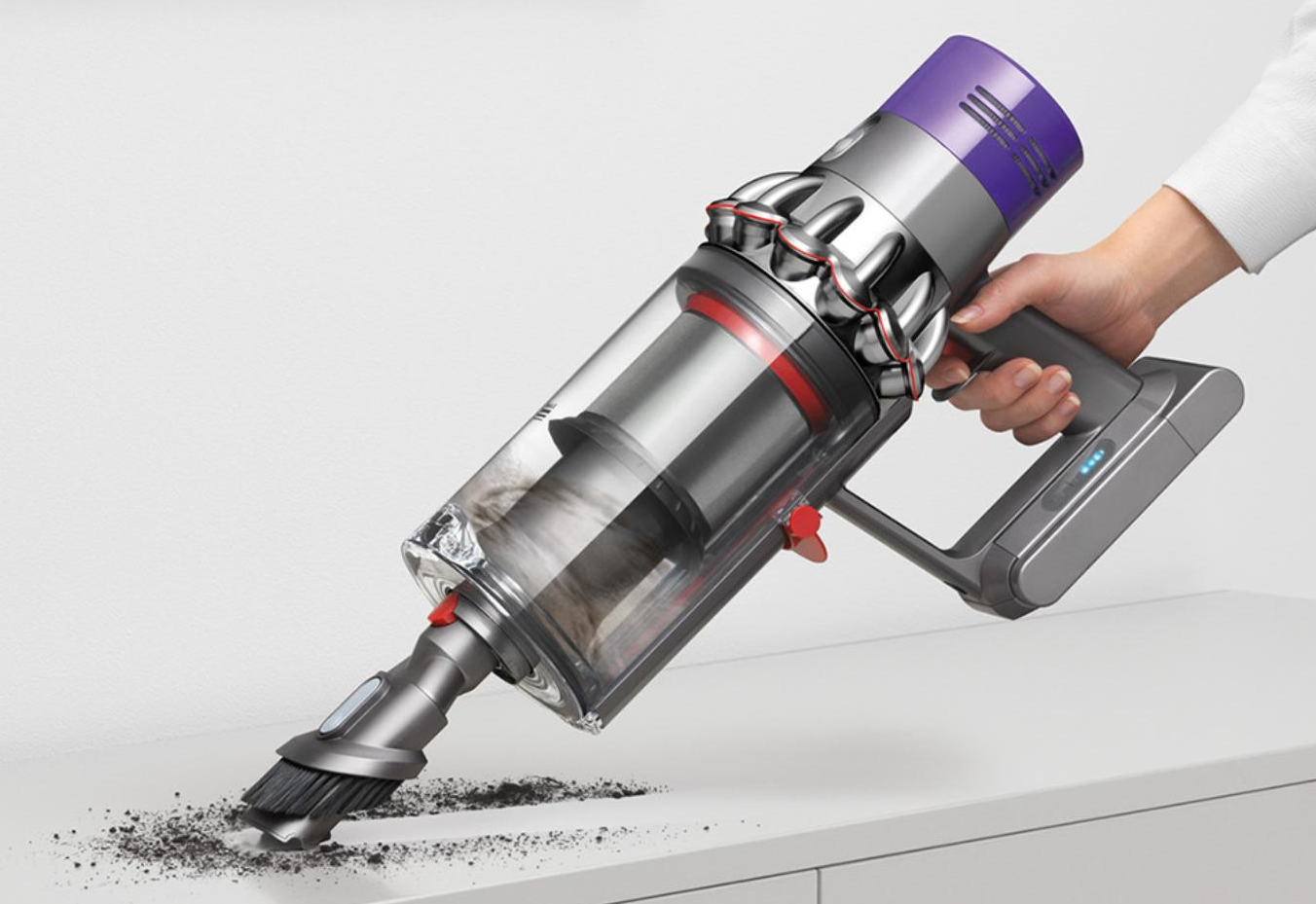 However, anyone who takes the trouble to look beyond the brand name discovers that a device with an identical H13 HEPA filter, comparable CADR value (Clean Air Delivery Rate), and equally quiet brushless motor is directly available from the Chinese manufacturer for €80 to €120. The price difference here is a factor of three to five.
The technology behind HEPA filtration and brushless motors has long ceased to be a Western monopoly. Chinese factories supply the OEM components (Original Equipment Manufacturer) for Western brands. They produce the motors, filters, and housings that are then sold under a European label. But increasingly, these same factories are now selling their end products under their own name, without the intervention of European importers and their profit margins. The result is a product of identical quality at a fraction of the price.
The consumer is slowly discovering that "European quality" in most cases is a marketing term for "produced in China, with a Western manual and an inflated price tag". The refusal to accept this any longer is not a sign of declining quality standards, but of a regained market rationality.
These examples show that the price markup is not limited to a few niche products, but is a broad economic phenomenon. From the bathroom to the construction site, from the pharmacy to the living room: everywhere, the European consumer pays an "illusion tax" for brands that have long outsourced their production but have managed to maintain their profit margins thanks to a lack of transparency. That transparency is now available, and the consumer is drawing the consequences.
Part 4: Macro-Economic Impact and the Changing Consumer
The price differences we have analyzed in the previous parts are not accidental market anomalies. They are the result of a structural shift in global trade, driven by technological platforms that bypass traditional distribution chains. This shift not only affects the wallet of the individual consumer but also the macro-economic stability of Europe and the political architecture of the European Union.
The Role of Platforms like AliExpress, Temu, and Amazon
The rise of platforms like AliExpress, Temu, Shein, and Amazon has fundamentally changed trade dynamics. Where previously a European company would have a product manufactured in China, import it, distribute it through a wholesaler, sell it to a retailer, and finally deliver it to the consumer – with a profit margin at each step – Chinese manufacturers can now sell directly to the European consumer.
This model eliminates not only the intermediary but also the associated cost structures: expensive showrooms, extensive marketing campaigns, local inventories, and a widespread network of representatives. The Chinese manufacturer can offer the product at a price that reflects the real production cost plus a modest profit margin, and still realize a higher margin than if it were sold through the traditional chain.
The result is a price pressure that plunges European brands into an existential crisis. They cannot compete on price without sacrificing their own profit margins, and they cannot compete on quality because that quality is no longer exclusively Western. The only defense left to them is the appeal to brand loyalty and the assumption that the consumer does not know better.
The Limits of Protectionism
The European response to this shift is predictable: protectionism. In recent years, the European Union has taken a series of measures to restrict or tax the import of Chinese products. From anti-dumping duties on solar panels and electric vehicles to new regulations requiring foreign platforms to pay European VAT and guarantee product safety.
These measures are politically understandable but economically counterproductive. They do not protect European employment – that has long been outsourced – but the profit margins of brands and intermediaries. The consumer pays the bill through higher prices, while European industry has no incentive to bring production back to Europe because labor costs and regulatory burdens make it unprofitable.
Moreover, this protectionist reflex is hypocritical. Europe preaches free trade and open markets in its trade agreements with third-world countries but closes its own market as soon as competition becomes too fierce. It is a classic case of "do as I say, not as I do", which undermines the credibility of European trade policy.
The European consumer no longer accepts this. Not out of principle, but out of necessity. In a time of stagnant real wages, exploding energy bills, and soaring daily living costs, refusing to continue paying the "illusion tax" is not a luxury but a survival strategy. Inflation in Europe is not tamed by the monetary policy of the European Central Bank, but by the fierce competition from products that show their true price.
The Consumer as a Rational Actor
Today's European consumer is no longer a passive recipient of what the market offers. He is a rational actor who compares information, analyzes prices, and makes choices based on price-quality ratios, not on brand name or country of origin. This shift is irreversible.
The consumer has discovered that "European quality" in most cases is a marketing term for "produced in China, with a Western manual and an inflated price tag". He has discovered that the active ingredient in his medication comes from the same Chinese factory as that of the generic alternative. He has discovered that the premium brand's cordless drill is assembled in the same factory as the house brand.
This knowledge fundamentally changes purchasing behavior. The consumer is no longer willing to pay a premium for a brand name that offers no added value. He demands transparency, fair prices, and a real price-quality ratio. And he is getting it, thanks to platforms that bypass traditional distribution chains.
The result is a structural deflationary pressure on European consumer prices. Even if official inflation figures remain high, the real price pressure on the consumer is moderated by the availability of cheap alternatives. European inflation is not tamed by monetary policy but by the market dynamics of direct, fairly priced imports.
This dynamic is an existential threat to the European business model. The brands and intermediaries who have profited for decades from information asymmetry and lack of transparency see their margins evaporating. They cannot compete on price without abandoning their own business model, and they cannot compete on quality because that quality is no longer exclusively Western.
The only way out for these companies is innovation: not in production (that has long been outsourced), but in service, customer experience, and value proposition. But that requires a fundamental revision of the business model, which is precisely what most European companies do not want or cannot do.
The result is a structural crisis of the European consumer model. The consumer has a choice: pay for a brand name that no longer offers added value, or choose a product of identical quality at a fraction of the price. Most consumers choose the latter, and the market follows that choice.
Conclusion: An Irreversible Shift
The analysis of the European consumer market leads to one inescapable conclusion: inflation in Europe is not tamed by the monetary policy of the European Central Bank, not by the green transition, and not by European social models. It is kept in check by the relentless competition from Chinese products that show their true, fair price to a consumer who can no longer or will no longer ignore this.

The examples are overwhelming in their consistency. A bathroom faucet for €451 versus €66. A kitchen faucet for €429.55 versus €33.29. Medication that is ten to fifty times more expensive than the generic alternative with the same active ingredient. Cordless drills and air purifiers with a price difference factor of four to five, while the components come from the same factories. These are not marginal deviations; this is a structural price markup that was maintained for decades through information asymmetry and a lack of transparency.
That transparency is now present. The internet and the rise of direct trading platforms have lifted the veil. The European consumer has discovered that "premium quality" in most cases is a marketing term for "produced in China, with a Western manual and an inflated price tag". He has discovered that the active ingredient in his medication, the motor in his drill, and the ceramic cartridge in his faucet come from the same Chinese factories as the cheaper alternatives.
The refusal of the European public to tolerate this any longer is not a sign of declining quality standards, but of a suddenly regained market rationality. The consumer no longer pays for a brand name that offers no added value.
This shift is irreversible. It is driven not by ideology or protectionism, but by pure economic necessity. In a time of stagnant real wages, exploding energy bills, and a cost of living that erodes purchasing power, the choice for the cheaper alternative is not a luxury but a survival strategy. The European consumer simply can no longer afford those European prices.
The European Union responds with protectionism: anti-dumping duties, new regulations, obligations for foreign platforms. But these measures do not protect European employment – that has long disappeared – but the profit margins of brands and intermediaries. They are an attempt to sustain a business model that has lost its relevance, and they hit the domestic population hardest.
The paradox is stark. Europe preaches "strategic autonomy" and "de-risking" towards China, while its own prosperity and the functioning of its healthcare system are completely dependent on the uninterrupted, cheap flow of Chinese products and components. The pharmaceutical industry, the construction sector, the household market: all rely on the industrial capacity of the country it is trying to politically contain.
The only way out for European companies is a fundamental revision of their business model. Not by competing on price – that is a lost battle – but by creating added value in service, customer experience, and innovation. But that requires an acknowledgment that the old model of brand markup and distribution margins has had its day, and that is precisely what most European companies do not want or cannot do.
The result is a structural crisis of the European consumer model. The brands and intermediaries who have profited for decades from information asymmetry see their margins evaporate. The consumer demands transparency, fair prices, and a real price-quality ratio. And he is getting it, thanks to platforms that bypass traditional distribution chains.
European inflation is not tamed by policy measures, but by the market dynamics of direct, fairly priced imports. The consumer has woken up. Quality from China is no longer a "second-rate" alternative, but the rational choice in a time of economic pressure. And that choice is irreversible.