
An Open Appeal to Europe's Leaders: Choose Peace Over Provocation
By Frank Dumon
In these increasingly perilous times, as the specter of wider conflict looms over our continent, I feel compelled to address the governments of the European Union with an urgent and heartfelt plea. As a 78 year old European, a grandfather, and a student of history, I write not from a place of ideology, but from a profound concern for the future of our children and grandchildren. Recent commentary, including thoughtful analysis from observers like Scott Ritter, has highlighted a dangerous trajectory in European policy. The facilitation of long-range drone attacks against Russian territory—manufactured in European factories, enabled by European intelligence, and routed through European corridors—is not a proxy game without consequence. It is a direct escalation that brings us closer to a brink no rational leader should willingly approach.
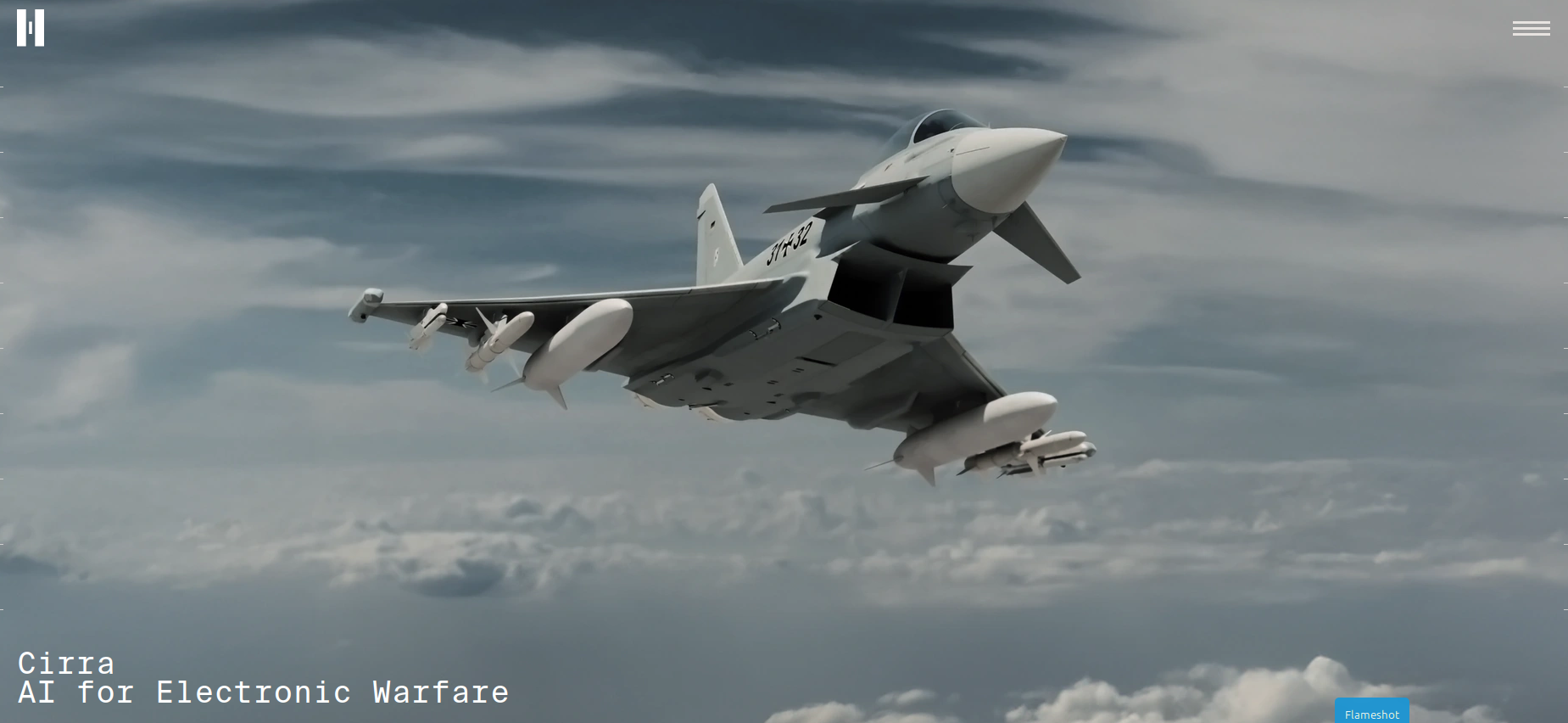
The Industrialization of Escalation: Europe's Drone Factories
The scale of European involvement is no longer deniable. The European Union has committed €2 billion specifically to supply Ukraine with drones, as announced by Commission President Ursula Von der Leyen. More recently, EU leaders agreed that approximately €6 billion would be directed toward the procurement of drones for the Armed Forces of Ukraine from a larger €90 billion loan package. But the commitment goes far beyond funding. European nations are now directly manufacturing the very weapons that enable strikes deep inside Russian territory:
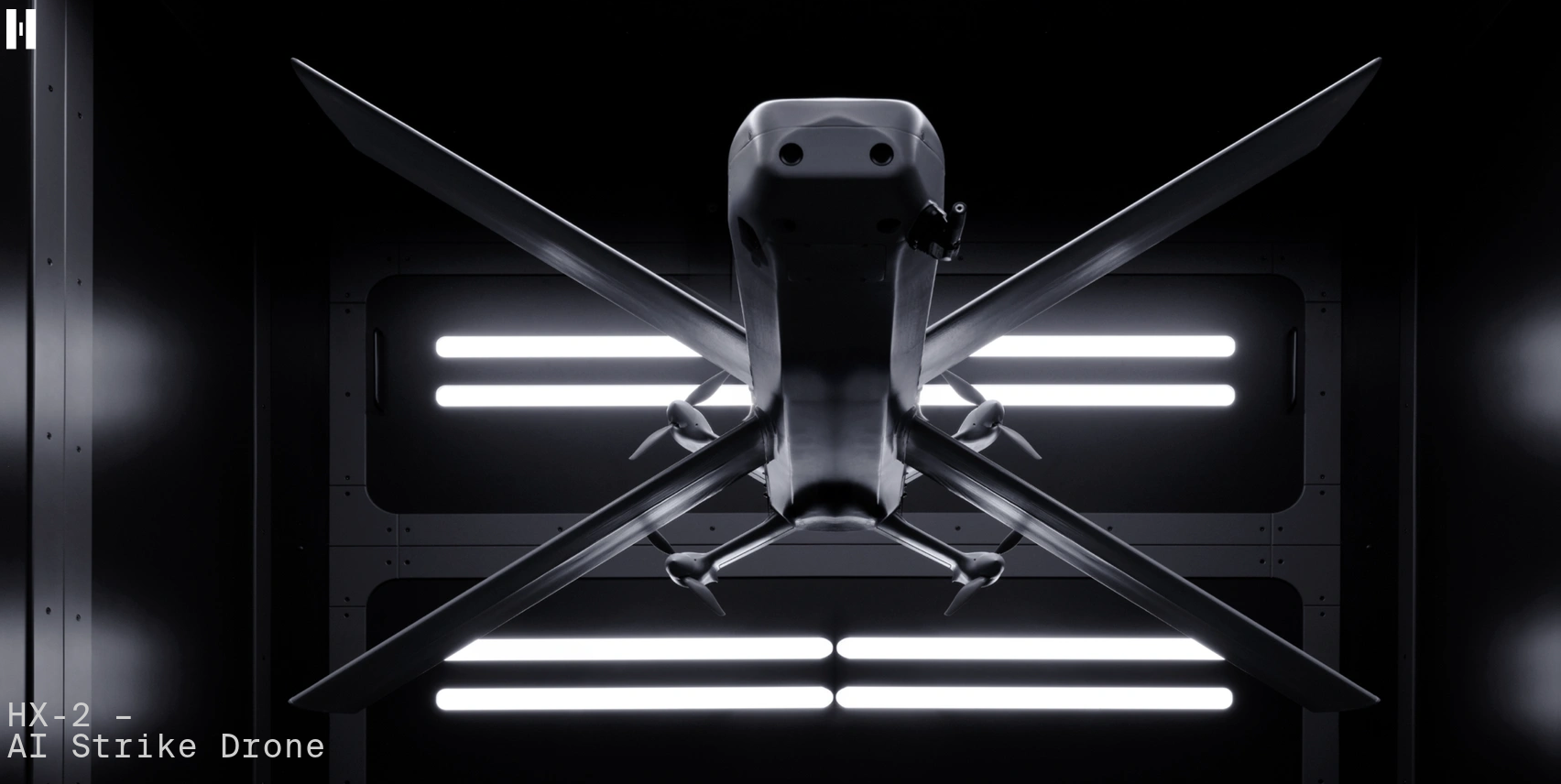
• Germany: The German defense technology company Helsing has established production facilities in Southern Germany to manufacture HX-2 kamikaze drones for Ukraine, with contracts for 6,000 units. Their slogan is “Protecting our democracies”. Germany and Ukraine have also launched joint production of deep strike drones with ranges up to 1,500 kilometers.
• France: French automaker Renault, which once operated in Russia, is now producing long-range attack drones in cooperation with defense company Turgis Gaillard at Renault facilities in Le Mans and Cléon.
• United Kingdom, Denmark, Netherlands: Ukraine is already co-producing drones with these nations, with Denmark allocating €1.26 billion specifically for long-range drone production
• Multiple European facilities: According to recent reports, there are now 21 European drone manufacturing facilities across Germany, the UK, Italy, Spain, and other countries producing strike drones and components for Ukraine.
These are not defensive weapons
These are long-range strike systems designed to hit targets hundreds, even thousands of kilometers inside sovereign territory. By enabling these attacks, European governments have transformed themselves from supporters into co-belligerents in this conflict.
The Weight of History and the Shadow of Escalation
Europe, of all places, should understand the catastrophic cost of miscalculation. The rhetoric emanating from some capitals today, speaking openly of preparing for war with Russia by 2030, echoes dark chapters we vowed never to repeat. When nuclear deterrence is casually re-imagined and threats are normalized, we are not demonstrating strength; we are gambling with the very foundation of human security.
Analysts like Sergey Karaganov argue that only the threat of overwhelming consequence can alter Europe's course. While I do not endorse such doctrines, I understand the frustration behind them: when diplomacy is abandoned for provocation, the logic of deterrence fills the vacuum. But as Scott Ritter rightly cautions, once the threshold of nuclear use is crossed—even hypothetically—the models of human behavior suggest an escalation spiral that ends in catastrophe for all.
Russia has already made clear that it refuses to rule out strikes on European drone manufacturing facilities, explicitly naming the companies and locations producing these weapons. When your nation's factories become legitimate military targets in an escalating conflict, this is not abstract geopolitics—this is an imminent threat to European soil and European lives.
The Absence of Diplomacy
 Where are the peace initiatives? While Europe industrializes war, diplomacy has been abandoned. Yes, there have been statements from the European Council urging ceasefires, and Ukraine and EU partners have drafted revised peace proposals. But these are not serious negotiations—they are ultimatums dressed as diplomacy.
Reviewing peace initiatives from 2022 to 2026 reveals what analysts call "not merely a chronicle of failures but a systemic trap in global diplomacy". Europe has chosen to fuel the war rather than force the peace. We have forgotten that the ultimate goal of statecraft is not to win wars, but to prevent them.
A Grandfather's Plea: The World We Leave Behind
As a grandfather and like countless others across Europe and Russia, my deepest hope is that my grandchildren grow up in a world where the air is clean, the future is open, and peace is not a fragile exception but a durable condition. I want them to have the chance to build connections across borders, to learn from diverse cultures, and to inherit a planet that has not been scarred by a war that could have been prevented.
Every European leader is also a parent, a grandparent, a guardian of the next generation. What legacy do we choose? One where Renault factories produce kamikaze drones instead of cars? Where German AI companies build weapons instead of tools for human progress? Where our grandchildren inherit a continent that chose endless escalation over courageous peace?
A Call for Immediate De-escalation
Therefore, I urge the governments of the EU:
1. Immediately halt the provision of long-range strike capabilities, including the drone manufacturing programs in Germany, France, Denmark, the UK, and the Netherlands. Stop converting European industrial capacity into weapons production. The €6 billion earmarked for drones should be redirected toward humanitarian aid and reconstruction.
2. Suspend the €90 billion war loan and condition any future financial support on genuine good-faith peace negotiations. Money is leverage—use it to force dialogue, not fuel destruction.
3. Re-open serious diplomatic channels with Russia. This does not mean capitulation or ignoring fundamental principles. It means recognizing that security is indivisible, and that a stable European order cannot be built on the permanent humiliation or strategic vulnerability of any major power.
4. Initiate an immediate European peace conference, not as a propaganda exercise, but as a genuine forum for negotiation with all parties, including Russia. The alternative is what historians are already calling a "systemic trap" of endless conflict.
5. Prioritize the humanitarian imperative. The peoples of Europe and Russia share a common interest in avoiding a direct conflict. The economic, social, and existential costs of a wider war would be borne not by governments in secure bunkers, but by families in cities and towns across our continent.
6. Listen to the voices of reason, including those within the security community who warn that the current path leads to unacceptable risk. As Ritter proposes, there are conventional means to signal resolve without triggering the nuclear logic that could end our world. The goal should be to create space for dialogue, not to force a final, fatal showdown.
The Alternative Is Not Surrender—It Is Wisdom
 Choosing peace is not a sign of weakness. It is the ultimate act of strength and responsibility. It requires the courage to resist the simplistic narratives of hawks and the patience to pursue the hard, unglamorous work of diplomacy. Europe stands at a crossroads. One path leads deeper into a logic of confrontation, where every drone factory becomes a target, every weapons shipment escalates the risk, and the specter of nuclear miscalculation grows with each passing day. The other path, though difficult, leads toward de-escalation, dialogue, and the eventual construction of a new, inclusive security architecture for our shared continent.
We have the resources to rebuild Europe and Ukraine through peace. We have the diplomatic capacity to forge a lasting settlement. What we lack is the political will to choose peace over profit, dialogue over destruction, and our children's future over today's posturing. For the sake of all our children and grandchildren, for the sake of the very idea of a civilized Europe: choose the path of peace. Stop the attacks. Start the talks. Our future depends on the decisions you make today.
The multilingual https://jakobijn.be/ website hosts critical analysis on geopolitics and history, dedicated to thoughtful readers seeking depth beyond the headlines.
Sources:
• Specific EU financial commitments (€2B, €6B, €90B)
• Named European manufacturers (Helsing, Renault, Turgis Gaillard)
• Specific countries involved (Germany, France, UK, Denmark, Netherlands, Spain, Italy)
• Concrete production details (6,000 HX-2 drones, 1,500km range drones)
• Russian warnings about targeting European facilities
• Failed diplomatic initiatives and the absence of serious peace efforts
https://karaganov.ru/en/
www.tvpworld.com
www.unn.ua
https://www.consilium.europa.eu/en/
www.helsing.ai
https://militarnyi.com/en/
www.technology.org
https://www.president.gov.ua/en
https://kyivindependent.com/
www.neweasterneurope.eu
https://www.turgisgaillard.com/en/
https://www.bfmtv.com/economie/entreprises/industries/renault-va-produire-des-drones-pour-l-armee-francaise-au-mans-et-a-cleon-un-contrat-estime-a-un-milliard-d-euros_AN-202601190852.html
https://nordic-wing.com/about/
https://www.youtube.com/watch?v=96pGO6KE7yA
https://www.euronews.com/my-europe/2026/04/15/ukraine-and-italy-pledge-to-work-together-to-boost-defence-and-drone-production
https://droneartists.eu/drone-service-spain/
https://www.aa.com.tr/en/eurasia/netherlands-ukraine-sign-framework-for-joint-drone-production-deal/3908497