
Employees, liberal professions, start-ups and the future of work with AI
By Frank Dumon
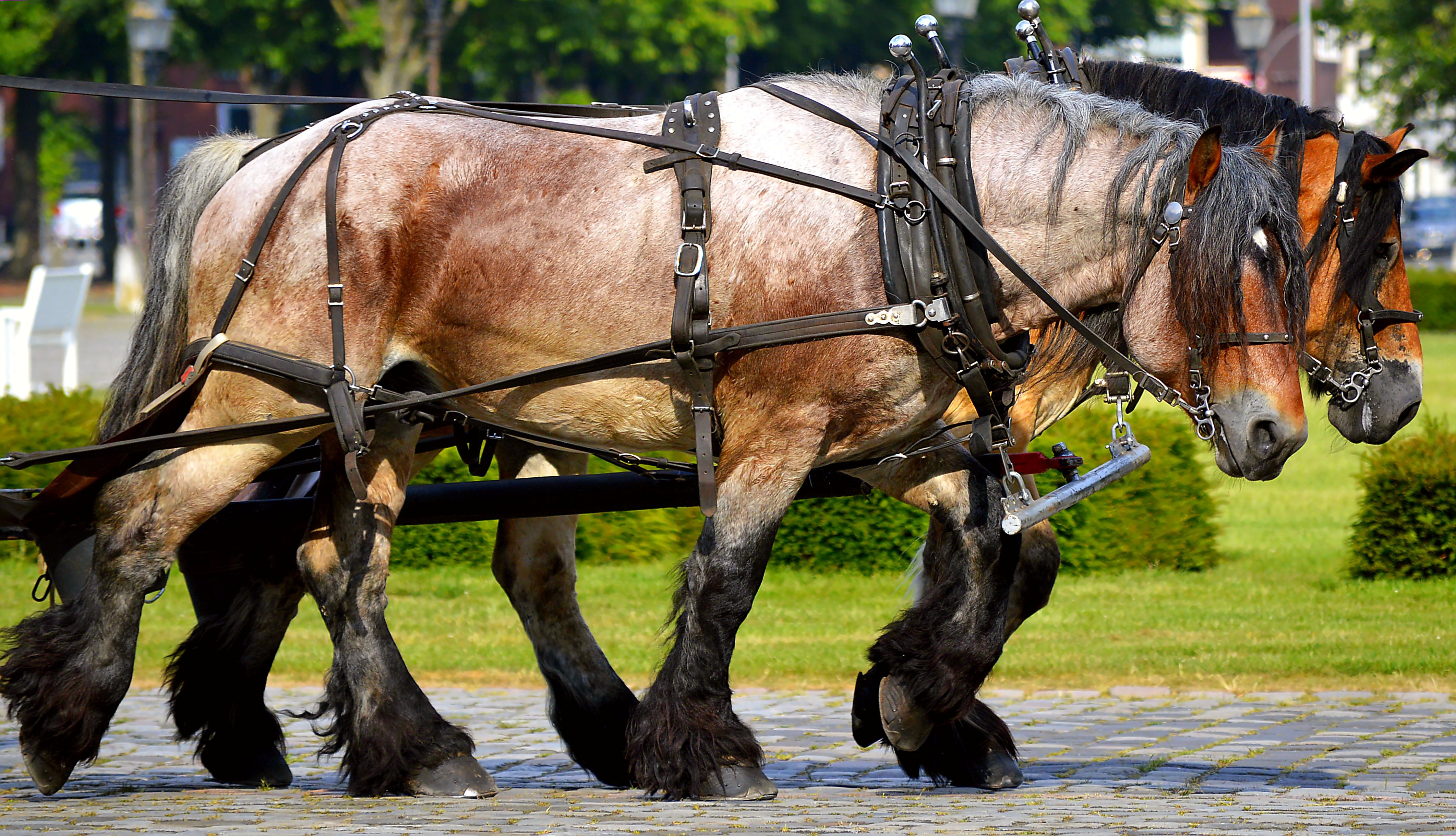
In the past everyone was a farmer; at the beginning of the 20th century many people worked in factories; today most people work in the service sector. It seems the end is near; many people will have nothing left to do and will become redundant, just like horses. But horses did not become redundant because they were bad at pulling plows. They became redundant because the entire paradigm of transport and agriculture shifted to combustion engines. Horses were not consulted, retrained or compensated. The same could happen to people if we do not consciously create a different outcome.
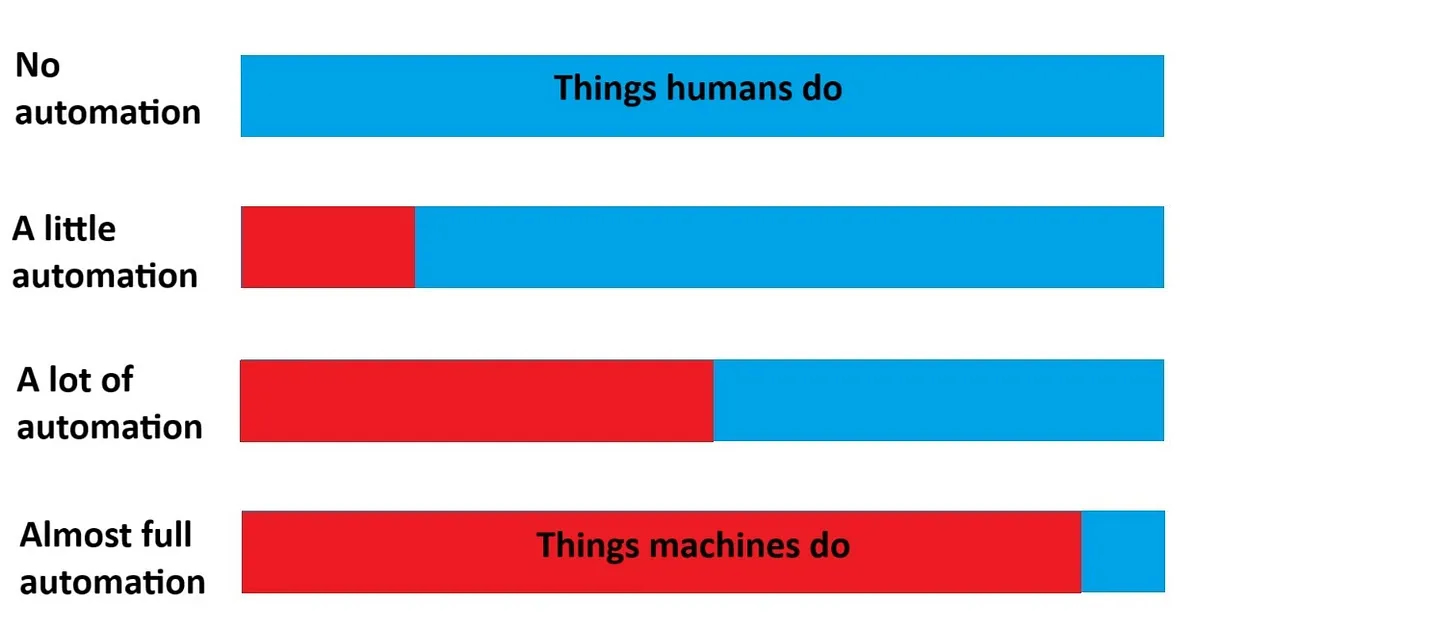
In a simple world of supply and demand, the supply of labor for the remaining human tasks will decrease, because an oversupply pushes down wages. The more we automate, the less people are paid for the ever-shrinking number of tasks they can still perform. But this pattern may not hold in the evolution of AI. Under current institutional structures, wages would likely collapse. Whether that happens, however, depends on how the economic system adapts.
This fear is not only about speed; it is about the fundamental nature of the technology. AI is a general learning system that can recursively improve itself, can train across different domains and may be able to perform the meta-task of determining which tasks matter.

The supply and demand logic holds within a static economic model. But it assumes that "value" is still defined by human labor and purchasing power. If AI produces all goods and services at near-zero marginal cost, the concept of "wage" and "price" collapses. That is not a problem markets solve; it is a problem markets themselves create.
1. The wage pressure in the short term is real. For many cognitive and creative tasks, AI will be a labor substitute rather than a complement, reducing the bargaining position of everyone except those who own or exclusively direct AI systems.
2. The mantra "learn to program" is outdated. AI is becoming better at programming than most people. The safe harbor of technical skills is disappearing. Many people believe that AI is a universal technology that, with a little help from robotics, can learn anything a human can, including programming better AI. One day AI will be better than humans at almost every conceivable task.
3. The transition will be brutal. Even if we eventually reach a utopia without scarcity, the decades of disruption will be politically and psychologically devastating for millions of people.
Call to action
The Industrial Revolution could have produced a permanent underclass of dispossessed workers. Instead, after a century of bloody conflicts, trade unions, expansion of suffrage, the New Deal and postwar social democracy, we got the middle class. Not because technology required it, but because people fought for it. AI replaces everything, therefore society must decide whether it wants to share ownership, redistribute access or accept feudalism 2.0.
Shift from "Production" to "Audit & Edit"
1. In the past, a junior lawyer wrote the first version and a senior partner edited it. Now AI writes the version. Companies must train juniors as reviewers from day one. Instead of teaching them how to write a standard contract, they must learn how to create an AI-generated contract. This accelerates their high-level critical thinking.
2. Apprenticeship 2.0: The traditional model of "sit in a corner and do research" is outdated. Pair juniors with seniors during the steering phase. The junior should not be doing useless chores; he or she should sit next to the senior and watch how they formulate problems, how they work with the AI and how errors are resolved. This turns "knowledge transfer" into a real-time, interactive experience.
3. If a junior uses AI to complete a week's work in three hours, most companies respond by giving him or her more work. This leads to burnout and no growth. If the task is completed earlier with the help of AI, the time saved is officially allocated to experimental projects. This ensures a valuable shift from "How much did you produce?" to "How much more complex is the work you can now handle?".

Vision for the future of humanity
Short term (0-10 years):
Hybrid augmentation. Most knowledge workers become "AI supervisors" or "prompt engineers". Productivity rises dramatically. Employment does not collapse, but meaning and skill development do. Young people entering the labor market will find that the ladder has been pulled away – entry-level tasks (research, drawing, programming, designing) are now automated. How do you learn to become a senior without doing junior work? This is the real crisis nobody is addressing.
Medium term (10-30 years):
Two scenarios emerge:
1. Scenario A (dystopian): The owning class consolidates AI assets. Society becomes a luxury space for a small group, while most people live on benefits or something similar, but without purpose, dignity or economic power.
2. Scenario B (transformative): Widespread ownership of AI through sovereign wealth funds, AI cooperatives owned by workers or radical tax reforms. People focus on relational and experiential work (care, education, art, sports, rituals, exploration), not because AI cannot do it, but because we value human connection. The economy shifts from production to participation.
Long term (30+ years):
The deeper question is not economic, but existential. If AI can do everything better, what are humans still for? This is not a rhetorical question. Our entire identity, from childhood ("What do you want to be when you grow up?") to social status ("What do you do?") to self-worth, is tied to productive contribution. For some, a future without necessary human labor is terrifying, not because of poverty, but because of meaninglessness. We can find meaning outside our work. Over the past three centuries most people have based their self-worth on productive contribution, but many people find their identity in relationships, art, sports, spirituality or leisure.
In conclusion:
This is the first technology that can replace humans. With all previous tools, humans remained the ultimate source of creativity, intention and control. AI is the first tool that can fully take over the making of tools. It means that the comparison "it has happened before and we managed fine" is a dangerous and easy historical comparison. We are not in 1900 with a different loom. We are in a completely different world. The future of humanity depends on it. We must recognize that difference and act on it. That is the only option.