
Why Europe's Elite Seems to Be Pursuing War with Russia
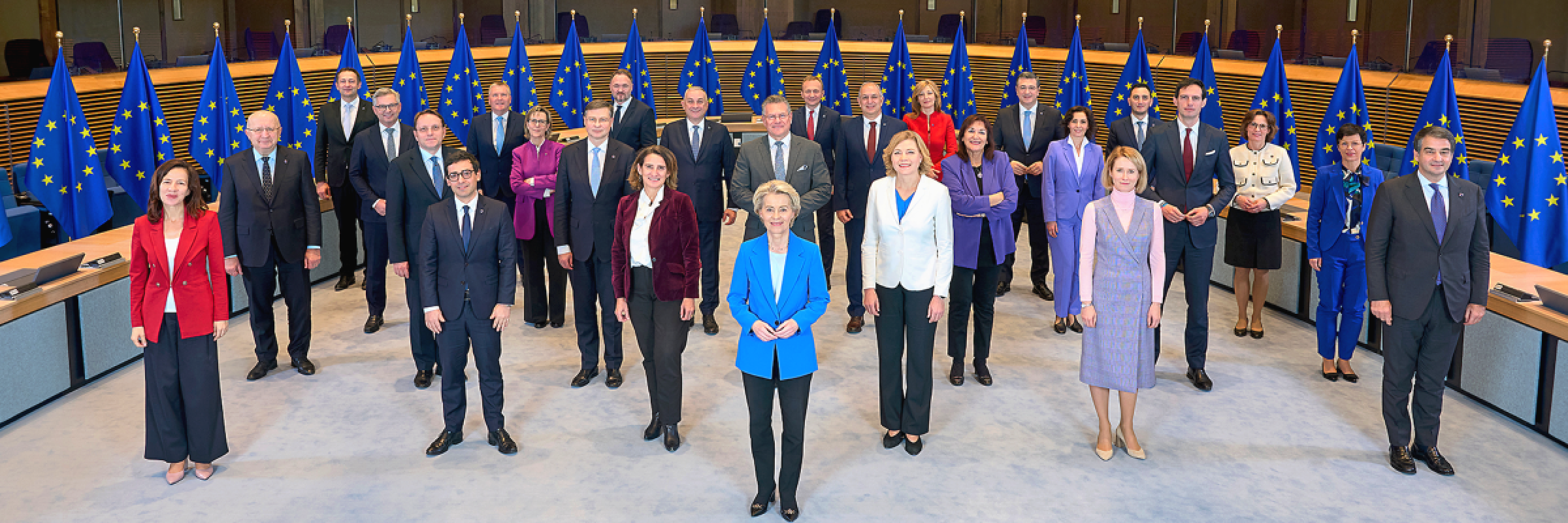
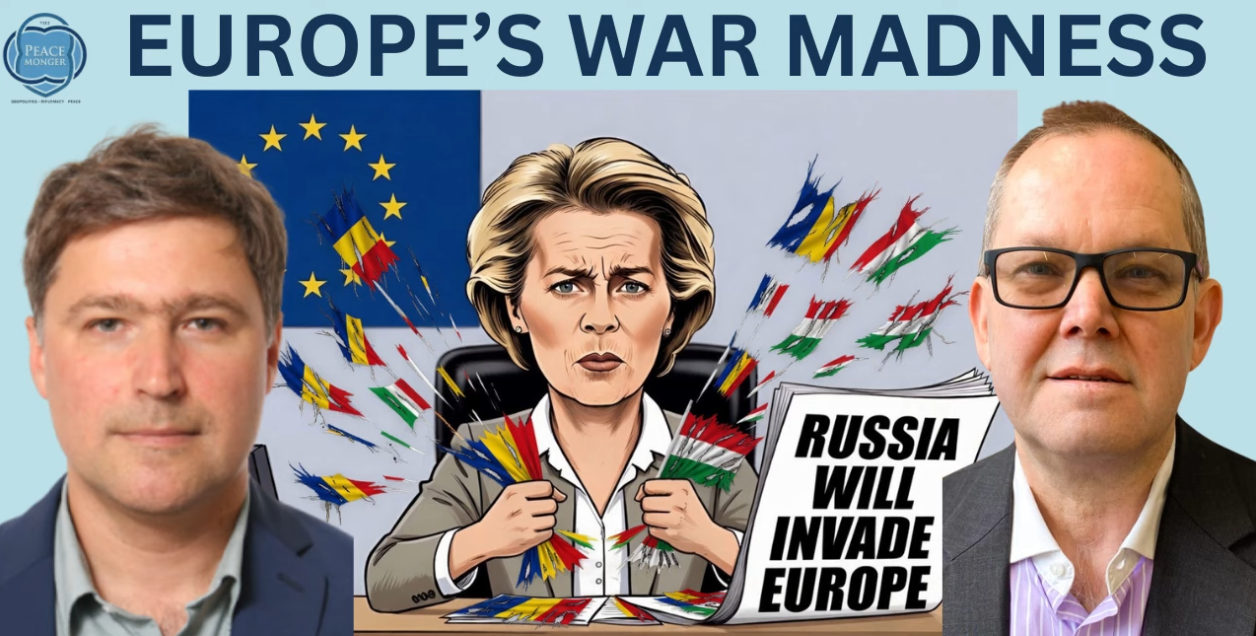
In an era characterized by economic stagnation, crumbling infrastructure, and deepening social divisions on the continent, one would expect European leadership to prioritize domestic recovery. Instead, another narrative dominates the airwaves: the relentless drumbeat of an impending conflict with Russia. Why do so many Eurocrats, politicians, and commentators speak not of diplomacy, but of specific dates for a future war—2027, 2029, "next autumn"—as if reading from a shared script?
The Diplomatic Vacuum
The most striking feature of Europe's current attitude is the virtually total absence of serious diplomatic engagement. Foreign policy statements are a way for politicians to underscore their allegiance to NATO doctrine and to belong to a "just" transatlantic club. Yet diplomacy, the actual art of negotiation, compromise, and conflict prevention, has been marginalized to the point of invisibility. This is not merely a shortcoming; it is a structural characteristic of a political class that has confused moralistic self-righteousness with statesmanship.
The Imperial Hangover
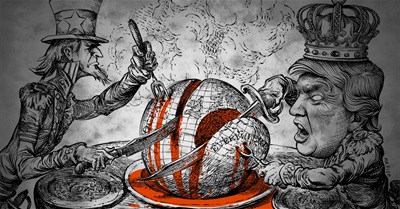 To understand this warlike impulse, one must confront what Ian Proud calls the "imperial boomerang." Europe's colonial past has left a psychological residue, a lasting belief that the continent possesses a civilizing mission, a right to shape the world according to its values. This mentality manifests today as a crusader mentality: the conviction that Russia must not merely be contained, but defeated and subordinated. As Rochowanski observes, many European elites cannot imagine a peace settlement unless it recognizes Russia's "inferior position." This is not strategy; it is delusion disguised as principle.
The delusion deepens when confronted with reality. Russia possesses approximately 6,000 nuclear warheads, the world's largest arsenal. Yet this fact is routinely dismissed in European discourse. Either the threat is characterized as bluff, or the weapons are assumed to be "rusty" and non-functional. Such notions would be laughable if they were not so dangerous. They reveal a profound disconnect between the rhetoric of confrontation and the material constraints of power.
Manufacturing Consent for Conflict
If the goal is indeed preparation for direct conflict, the evidence is mounting. Europe is undergoing an unprecedented rearmament surge, with military spending rising to levels unseen since the Cold War. In Germany, the Bundeswehr places recruitment advertisements everywhere, from subway cars to cinemas, and glorifies military service as an adventure comparable to a ski trip or diving expedition. In Sweden, households receive brochures explaining how to prepare emergency kits for wartime. Conscription is being restored or expanded in multiple countries.
This is not merely about defense; it is about psychological preparation. Populations are being conditioned to accept war as inevitable, even desirable. The message is refined, borrowing from questionable video game aesthetics and "woke" branding to appeal to younger demographics. Yet the reality of modern warfare—industrial scale destruction, civilian casualties, economic collapse—is carefully concealed. Militarism is difficult to sell; it requires constant repackaging to make it acceptable.
The Intelligence Gap
Perhaps the most troubling aspect of Europe's war rhetoric is its contradictory available intelligence. Multiple assessments, including those from American and Estonian agencies, conclude that Russia has neither the intention nor the capability to attack NATO territory. The war in Ukraine has strained Russian conventional forces; extending that conflict westward would be militarily irrational. Yet European leaders speak with unshakeable certainty about an inevitable clash.
Proud offers two theories for this certainty. The first is that Russia is congenitally imperialistic and will inevitably seek to conquer Europe. This theory collapses under critical examination: Russia's historical grievances and strategic interests are focused on its immediate periphery, not on Denmark or Germany. The second theory—what he calls the "very hungry caterpillar" model—suggests that Russia, like Alexander the Great, must endlessly devour neighboring states. This is not analysis; it is caricature. Basing continental security policy on such shaky foundations is not merely unwise; it is reckless.
The Profit Motive
No examination of Europe's arms buildup would be complete without acknowledging the role of the defense industry. As military budgets grow, so do corporate profits explode. The relationship between political elites and weapons manufacturers is longstanding and deeply entrenched. In Germany, the first €100 billion defense fund, according to a senior Bundeswehr commander, was "arbitrarily" spent on purchasing equipment from old shopping lists without an integrated strategy. Tanks costing €29 million each are craft-produced, only to be vulnerable to drones costing a fraction of that. This is not efficiency; it is profiteering disguised as patriotism.
The economic logic is perverse. Money pumped into weapons systems is money not spent on healthcare, education, infrastructure, or green transition. In an era of austerity, citizens are told they must work longer, retire later, and accept diminished services while their governments commit to astronomically expensive military purchases. The disconnect between elite priorities and public needs has rarely been sharper.
The Democratic Deficit
Underlying all this is a crisis of representation. Traditional political parties, once rooted in communities through social clubs, trade unions, and local organizations, have evaporated. What remains is a hyper-mediated political sphere where speed trumps substance, and foreign policy posturing substitutes for domestic competence. Elections become referenda on geopolitical loyalty rather than assessments of governance.
This institutional decay creates a vacuum filled by unelected technocrats and security elites, precisely the actors most invested in a confrontational posture toward Russia. With frequent leadership changes (the UK had ten Foreign Secretaries in twelve years), policy continuity and bureaucratic inertia favor these hardline positions. Diplomacy requires patience, nuance, and long-term thinking, qualities ill-suited to a political culture obsessed with short-term planning.
Seeds of Resistance
Yet the picture is not entirely bleak. Across Europe, peace movements are awakening anew, albeit initially focused on conflicts in Gaza and the Middle East. In Italy, dock workers' strikes have blocked weapons shipments to Israel, forcing policy adjustments. In Germany, teenagers are leading school strikes against renewed conscription. The Spanish government has resisted pressure to raise military spending to NATO-demanded levels, instead prioritizing economic stability and cooperation with non-NATO affiliated countries.
These developments suggest that democracy can still "catch up" with the warmongers. As local elections in the UK and elsewhere demonstrate, voters increasingly desire attention to domestic concerns: jobs, housing, public services, community safety. The working-class majority has little appetite for distant conflicts; their horizon is local, their priority: providing for their families' livelihoods. When politicians ignore this reality, they risk electoral rejection, as Donald Tusk, Keir Starmer, Friedrich Merz, and Emmanuel Macron are now experiencing.
Conclusion: Choosing Another Path
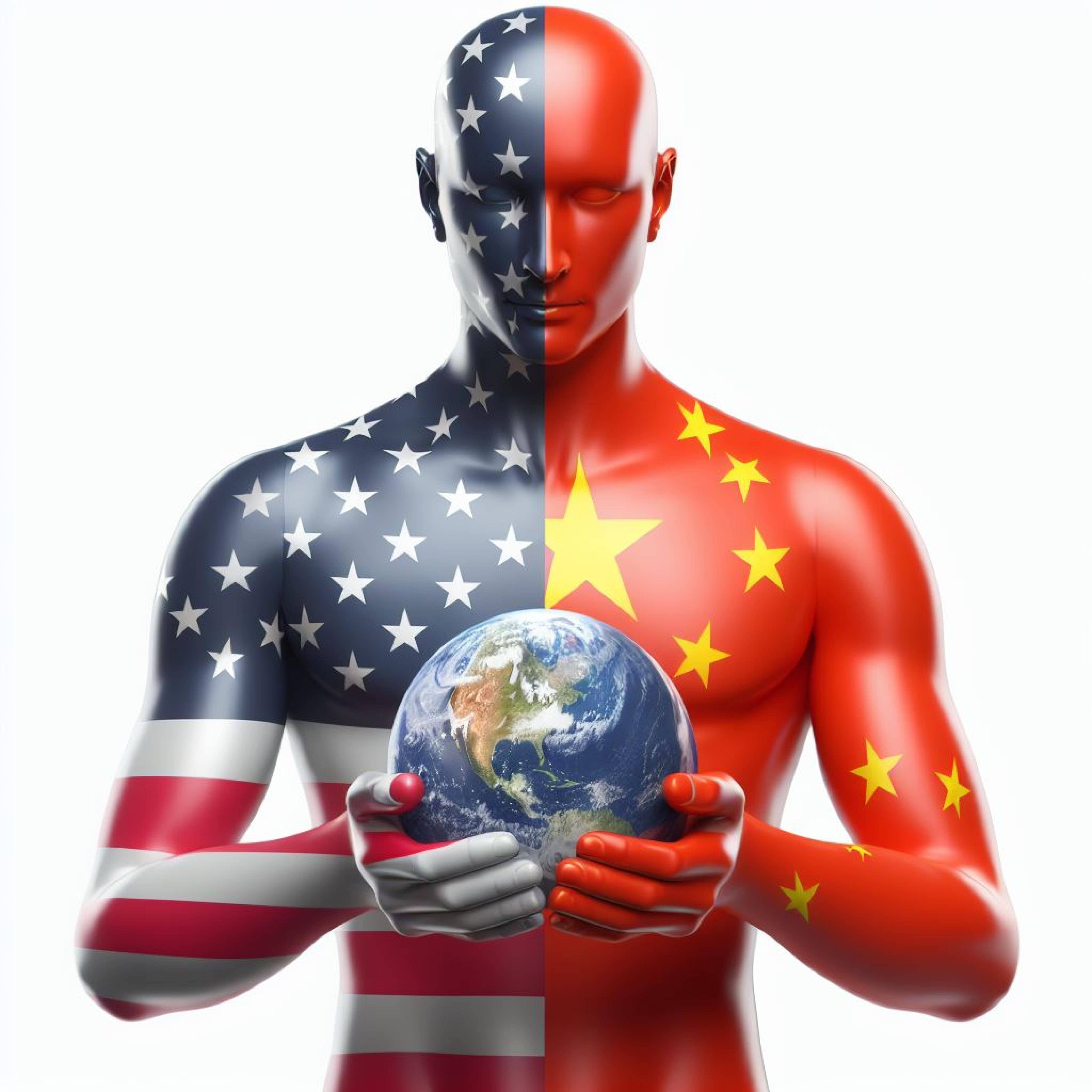
Why would a rational actor seek war with a nuclear-armed power? The answers—imperial nostalgia, profit motives, institutional inertia, psychological denial—do not justify the course; they merely explain it. Europe stands at a crossroads. One path leads to escalation, economic strain, and potentially catastrophic conflict. The other requires the courage to place diplomacy above dogma, dialogue above demonization, and citizen welfare above elite ambitions.
For those of us who remember the precarious balance of the Cold War, the current chilly rhetoric is familiar. But the world has changed. Multipolarity is not a temporary deviation; it is the new reality. Europe's security cannot be built on the subordination of others, nor on the fantasy of eternal dominance. It must be founded on mutual respect, realistic assessment, and the humble recognition that no nation, however powerful, can dictate terms to a nuclear-armed adversary without risking annihilation.
The choice is stark. European leaders can continue down the path of mad confrontation, or they can rediscover the art of diplomacy. The future of the continent—and perhaps the world—depends on which path they choose. As citizens, it is our task to demand better: reject fearmongering, insist on evidence-based facts, and hold our leaders accountable for the consequences of their rhetoric. Peace is not a sign of weakness; it is the ultimate expression of wisdom. In an era of nuclear weapons, it is also the only rational option.