
Sonja van den Ende writes in Strategic Culture Foundation that she is deeply concerned about the quality of leadership among certain women in European politics. As a European woman, she says she often asks herself this when she hears what she considers ignorant and misguided statements from figures such as Ursula von der Leyen, Annalena Baerbock, Kaja Kallas, and Dilan Yeşilgöz-Zegerius.
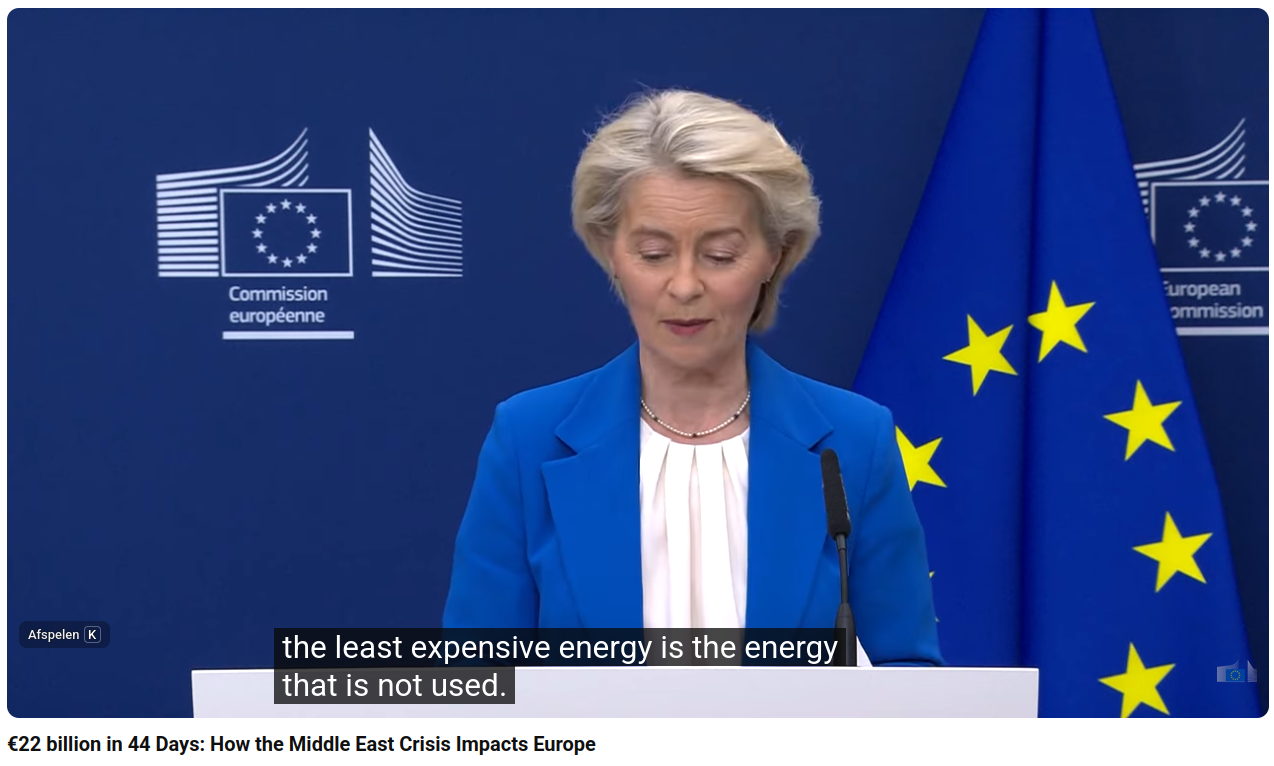
© Ursula screengrab YouTube
According to the article, this is not something that happens once or twice, but a recurring pattern. It begins with Kaja Kallas, described as one of the most influential women in the European Union. She served as the first female prime minister of Estonia from 2021 to 2024 and now holds the position of High Representative of the European Union for Foreign Affairs and Security Policy. Her father, Siim Kallas, was a former prime minister of Estonia.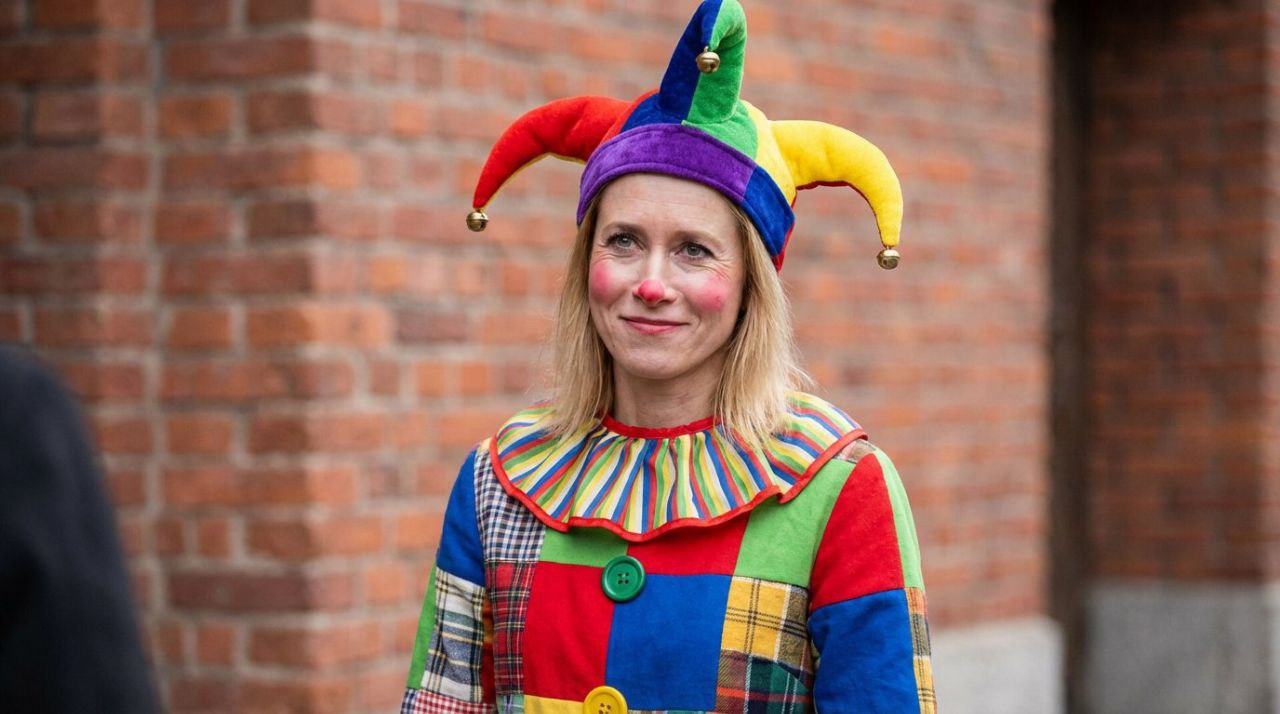 The article argues that political connections played a role in her rise from the European Parliament to the Estonian premiership and later to the EU level. It portrays her as one of the strongest anti-Russian voices in the European Union and criticizes her leadership style in very harsh terms.
The text goes on to make a broader argument about the political culture of the Baltic states, claiming that unresolved historical tensions and ideological hostility continue to shape contemporary politics. It argues that, more than three decades after the fall of communism, a process of reconciliation should have taken place, but instead older antagonisms have been passed on to new generations. The article presents Kallas as a product of that political climate. It further claims that other female politicians in Europe are similarly unfit for office, and argues that their political decisions are contributing to war, economic decline, and rising poverty in Europe, especially through the rejection of Russian gas and repeated sanctions packages against Russia that the author considers ineffective.
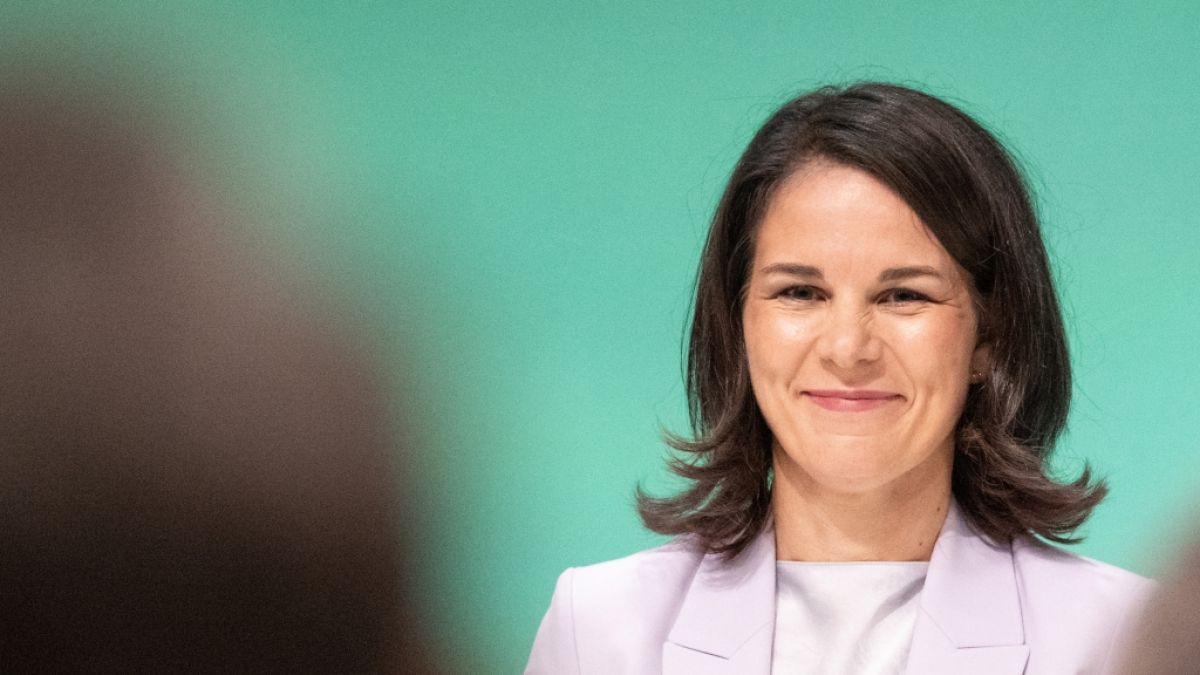
The article then turns to Annalena Charlotte Alma Baerbock, a German politician from Die Grünen. It notes that she served as Foreign Minister in the Scholz government from 2021 to 2025 and criticizes what it sees as her unexpected rise from being widely mocked in German politics to becoming President of the United Nations General Assembly. It also refers critically to the media image she cultivated through social media and tabloid coverage. The broader point made by the author is that high office should depend on competence and suitability, not media image or party promotion. The same criticism is extended to Dutch-Turkish-Kurdish politician Dilan Yeşilgöz-Zegerius, whose appointment as Dutch Minister of Defence is presented as another example of someone reaching high office without relevant experience. The article claims that she had previously also failed in another ministerial portfolio. © annalena-baerbock on news.de
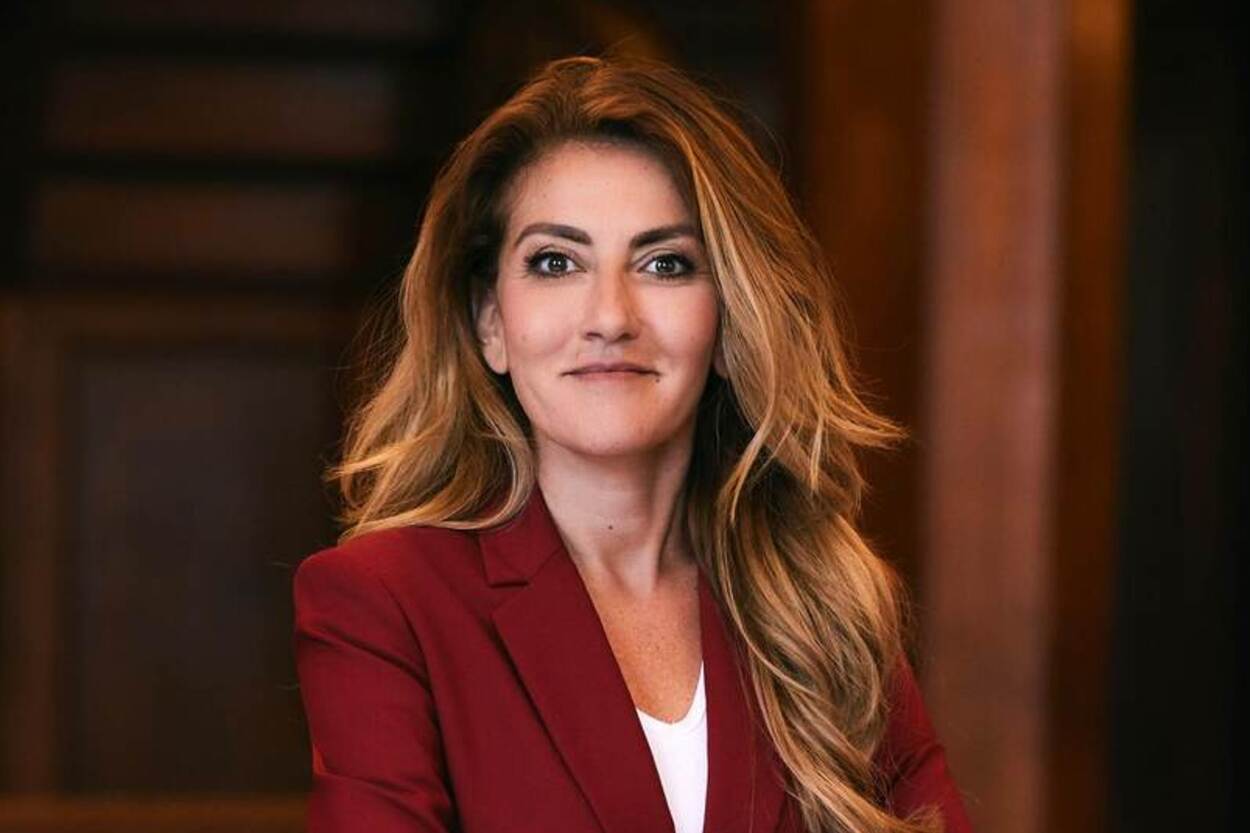
© climategate.nl
The concluding argument is that political leaders such as Kallas, von der Leyen, Baerbock, and Yeşilgöz-Zegerius represent, in the author’s view, a serious failure of leadership. Rather than using diplomacy to reduce tensions, the text accuses them of contributing to conflict, hostility, and instability. From that perspective, the author argues that they should be removed from office.