
Why Intelligent People Simply Do Not Care About Social Life
By Frank Dumon
History bears witness to great minds who achieved incredible things. Nicola Tesla, Sir Isaac Newton, Blaise Pascal, Friedrich Nietzsche, Arthur Schopenhauer, and many others. But when one places the biographies of these exceptional individuals side by side, one striking common denominator stands out: the way they approached social interaction, or rather, how little they actually sought it. Many recognize this feeling. It is the experience of sitting in a room full of people, at a reception or in a crowded café, and instead of feeling energized by the social buzz, feeling drained and exhausted. The only wish that remains is the urge to escape, to retreat into the quiet space where one can read, think, observe, or simply be alone.
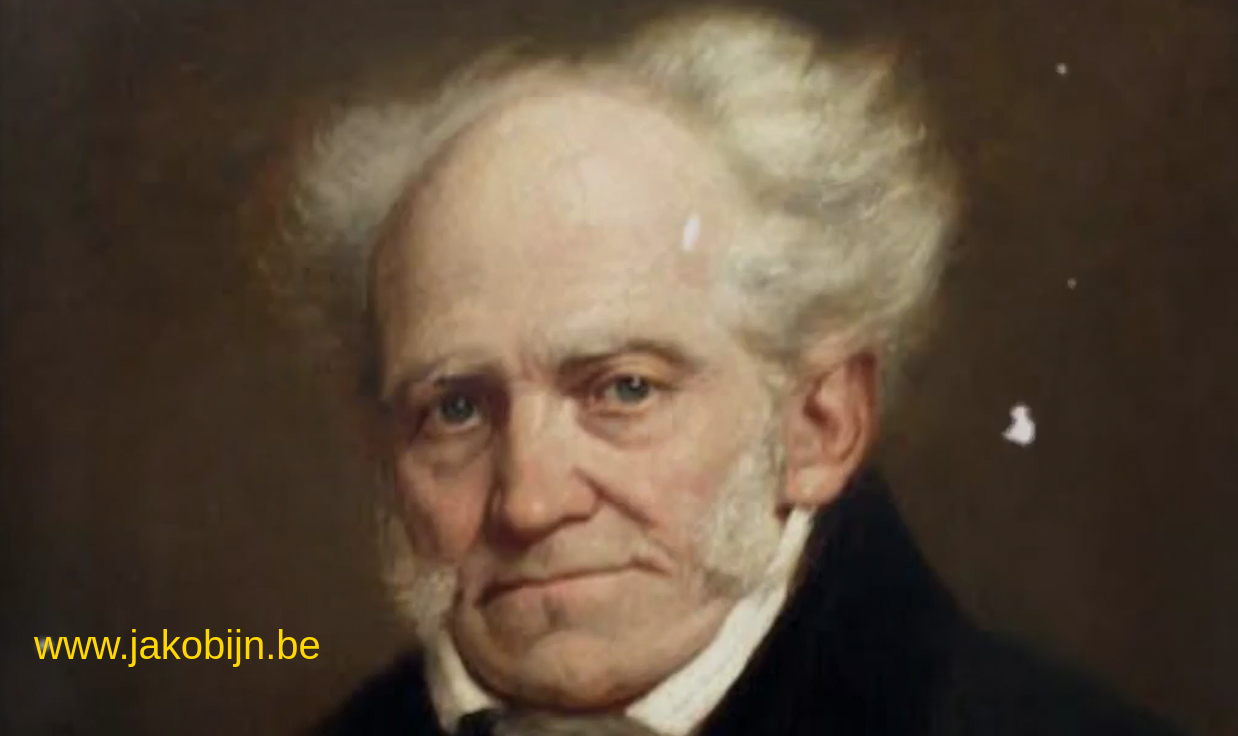
This is not an accidental preference; it is a fundamental dynamic that Arthur Schopenhauer analyzed like no other. He wrote extensively about why intellectuals often struggle to engage in conventional social life, not from a lack of ability, but from an abundance of insight. To understand this dynamic, we must look beyond the superficial diagnosis of 'shyness' or 'arrogance'. We must examine why the elevated mind prefers seclusion over the social hustle, why society often systematically rejects these minds, and whether this isolation is the key to mental freedom, or rather a creeping poison that destroys a person from within. The answer lies in the nature of truth itself, and the price that must be paid to face it.
The Great Fabrication of Society and the Aversion to Superficiality
"The ordinary man cannot endure solitude, because he only feels well in the company of others. The elevated man seeks solitude, because he finds himself in it." This statement by Schopenhauer captures the core of the matter. For Schopenhauer, society was essentially an illusion, a 'great fabrication' that deceives the masses into believing in the stability, meaning, and self-evidence of existence. He spent part of his own life trapped in this illusion, only to eventually grasp its emptiness. He understood that human existence is fundamentally dominated by suffering, and that society is nothing more than a collection of distractions, designed to prevent individuals from confronting this harsh reality.
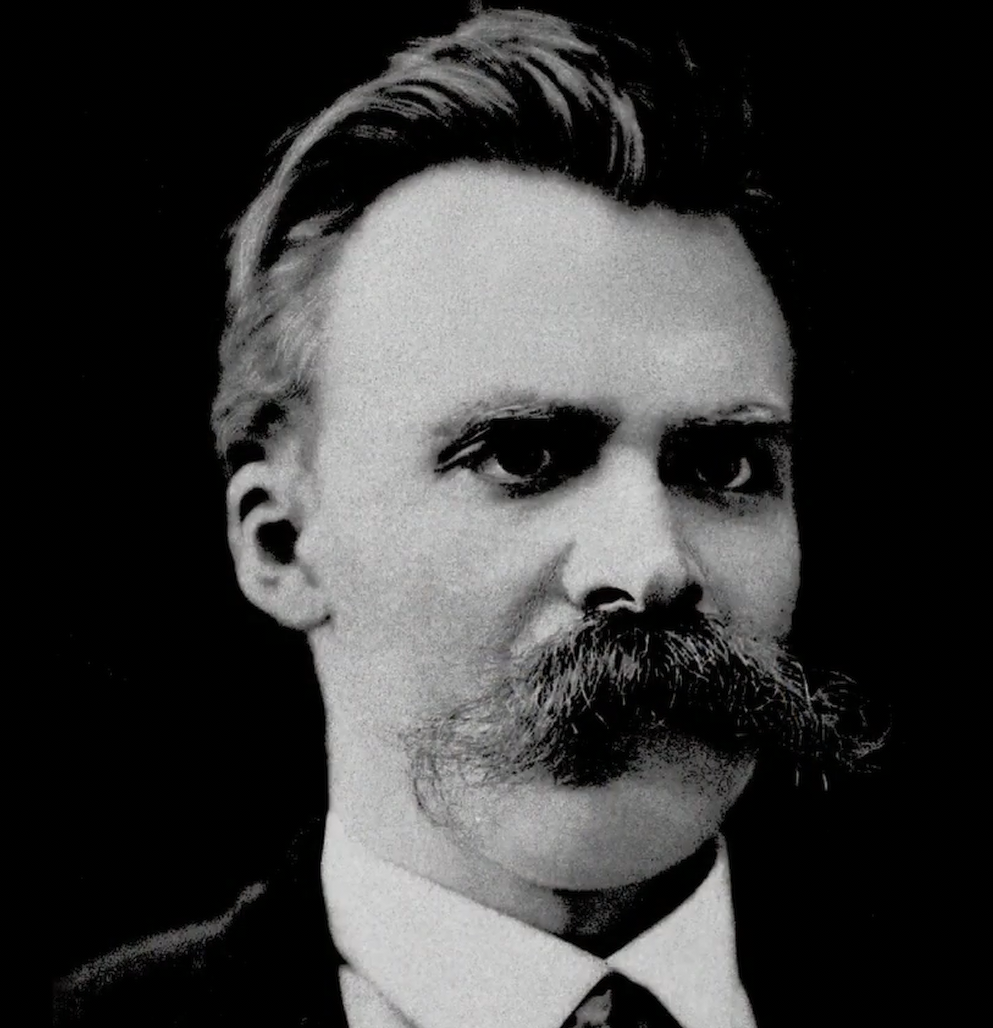 For him, the world was a stage where people played roles dictated by societal expectations. They hid their true nature behind masks of conformity, fearing what would happen if the façade crumbled. Friedrich Nietzsche expanded on this idea and condemned the 'herd morality' as one of the greatest threats to intellectual freedom. He argued that society, instead of nurturing independent thinking, pressures individuals to obey moral constructs that serve only to maintain complacency and mediocrity.
True intellectuals, however, recognize this deception. They refuse to submit to these shallow values. Like Nietzsche, who left gatherings where conversations lacked depth, not out of arrogance, but from a deep-seated aversion to superficiality. Intelligent individuals find themselves trapped in a world that prefers conformity over originality. They struggle to navigate shallow social discussions that lack any form of intellectual stimulation. It is crucial to understand that they do not reject socialization itself; what they reject is the absence of profound, thought-stimulating dialogue. Schopenhauer emphasized the need for intellectual friction in discussions. He suggested that intelligent people should limit excessive social interactions, because mundane, meaningless conversations drain their mental energy and stifle creativity.
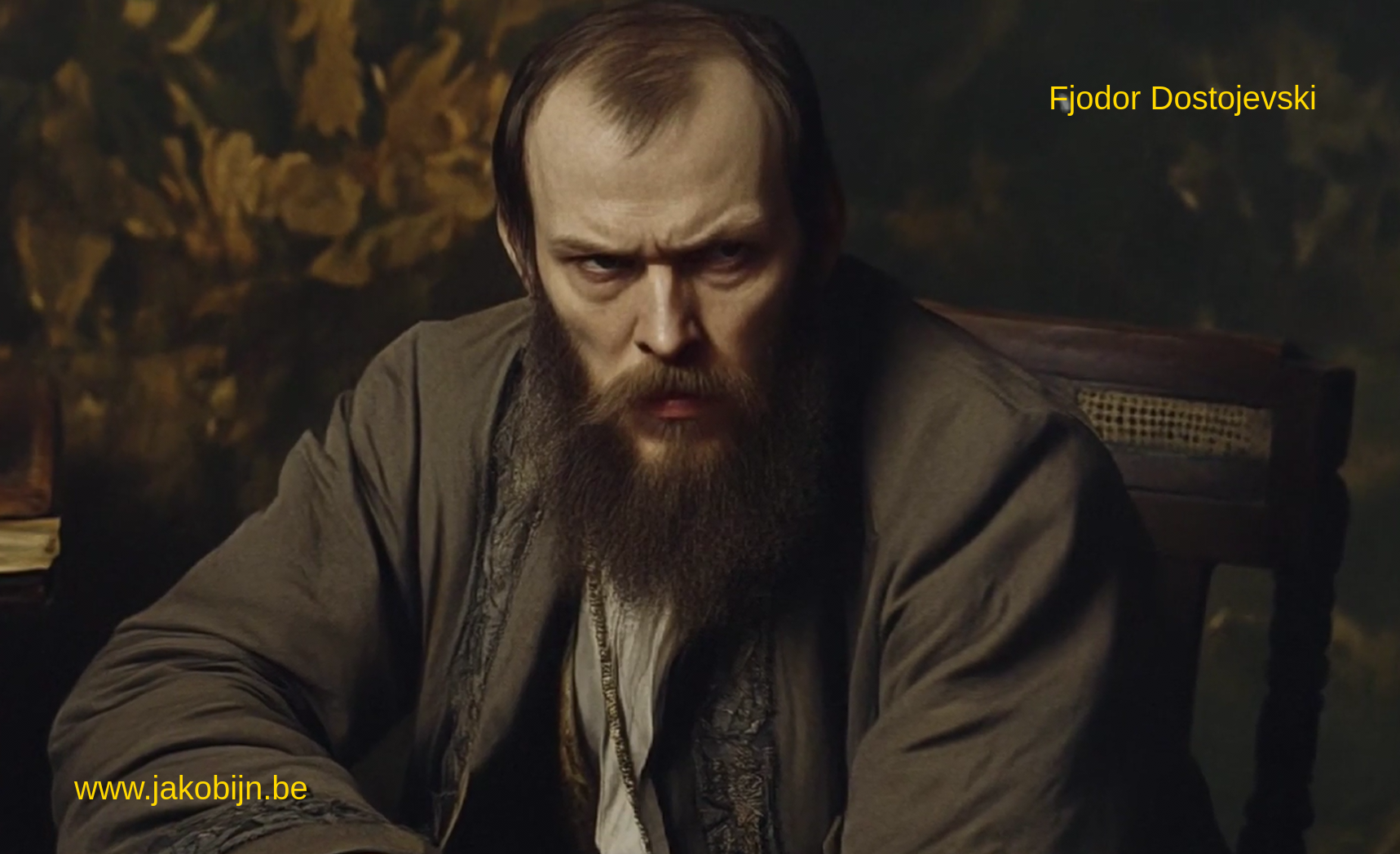
Modern psychological research supports this philosophical intuition. Studies show that highly intelligent individuals experience heightened stress levels when forced into 'small talk', exhibiting symptoms resembling anxiety. Their minds crave complexity, depth, and stimulation; qualities rarely found in casual social exchanges. Fyodor Dostoevsky's Notes from Underground vividly portrays this struggle through the character of the 'underground man', who considers himself highly intelligent but despises society for its superficiality. Although this is an extreme portrayal of intellectual isolation, it serves as a valid example of a mind that found peace in seclusion, because the outside world was too noisy and too insincere.
Intelligence as a Burden: Resentment, Envy, and the Flight to the Superficial
However, there is another, more sinister reason why intellectuals are often forced into seclusion, even if they wouldn't necessarily choose it. Society preaches that intelligence is a gift, but history and daily experience show that it often leads to rejection and resentment. Intelligent individuals frequently find themselves isolated, envied, and misunderstood. Not because of arrogance, but simply because their presence exposes the limitations of others.
Instead of fostering intellectual growth, society tends to alienate those who think deeply, question authority, and challenge established norms. People instinctively compare themselves to those who are smarter, leading to discomfort and insecurity. Instead of striving for self-improvement, many react by rejecting or sidelining the intelligent person, whether in the workplace, at school, or in social circles. Ironically, intelligence is often confused with arrogance. Even when they seek no superiority, intelligent individuals are perceived as condescending. Their self-confidence is interpreted as an attack on the insecurities of others.
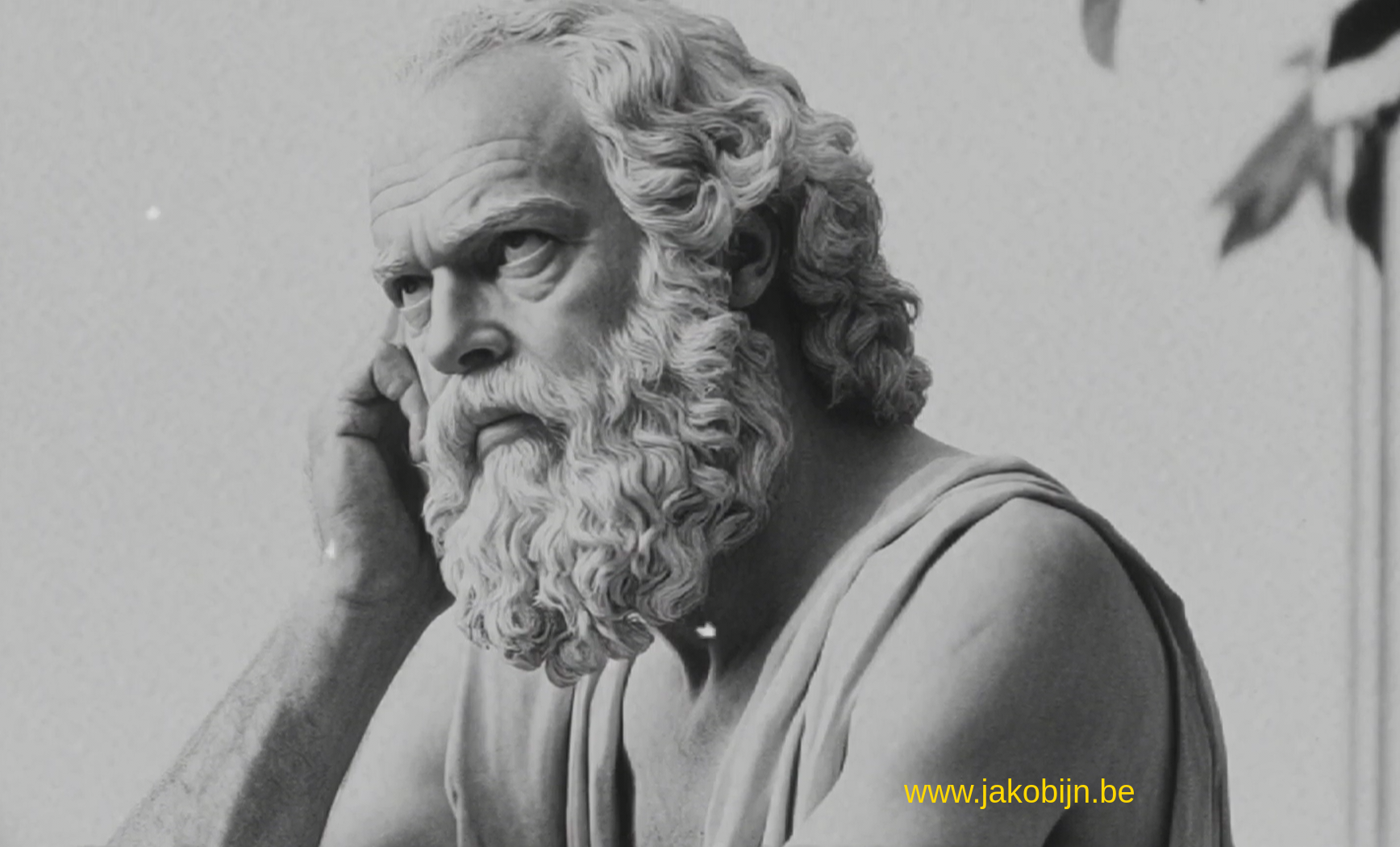
To avoid hostility, many learn to downplay their intellect, making themselves more palatable to the majority. Strangely enough, openly arrogant individuals sometimes face less backlash than those who are simply intelligent but display it unapologetically. Mediocrity is comfortable. The world rewards those who make others feel good, not those who remind them of their own inadequacy. This is why intelligence often becomes a burden rather than an advantage. History has repeatedly shown this pattern: brilliant minds were not celebrated in their own time, but ridiculed and socially ostracized. Socrates was sentenced to death for 'corrupting the youth' of Athens, simply for encouraging critical thinking. Nikola Tesla died in obscurity, despite his foundational contributions to modern electrical engineering. Even Albert Einstein faced fierce criticism of his radical theories, long before they were widely accepted.
This dynamic was painfully visible in the aftermath of the Vietnam War. The whistleblowers, the critical journalists, and the veterans who returned with a story that deviated from the official, heroic narrative, were not embraced. They were sidelined, branded as 'bitter' or 'unpatriotic'. Their intelligence and moral clarity were not seen as a contribution to national healing, but as a threat to the comfortable self-image of a nation that preferred to forget. Society chose the comfort of the lie over the pain of the truth, and isolated those who continued to guard the truth.
The Porcupine Dilemma: The Tragedy of Human Connection
This inevitable isolation can best be understood through Schopenhauer's famous 'Porcupine Dilemma' (the Igelstachel-Problem). He posited that a group of porcupines huddling together on a cold winter's day to keep from freezing, soon feel the pain of each other's quills. Driven by the pain, they move apart again. But when the need for warmth prevails, they come together again, only to be pricked anew. Thus, they are tossed back and forth between two evils, until they find a moderate distance at which they can just about tolerate the cold without seriously wounding each other.
This dilemma is the perfect, heartbreaking metaphor for the relationship between the intelligent mind and society, and particularly for the aftermath of the Vietnam War. Like the porcupines, intellectuals, veterans, and survivors struggle to engage with society without feeling alienated. They long for connection, for warmth and understanding, but are repelled by the ignorance and superficiality that dominate social interactions.
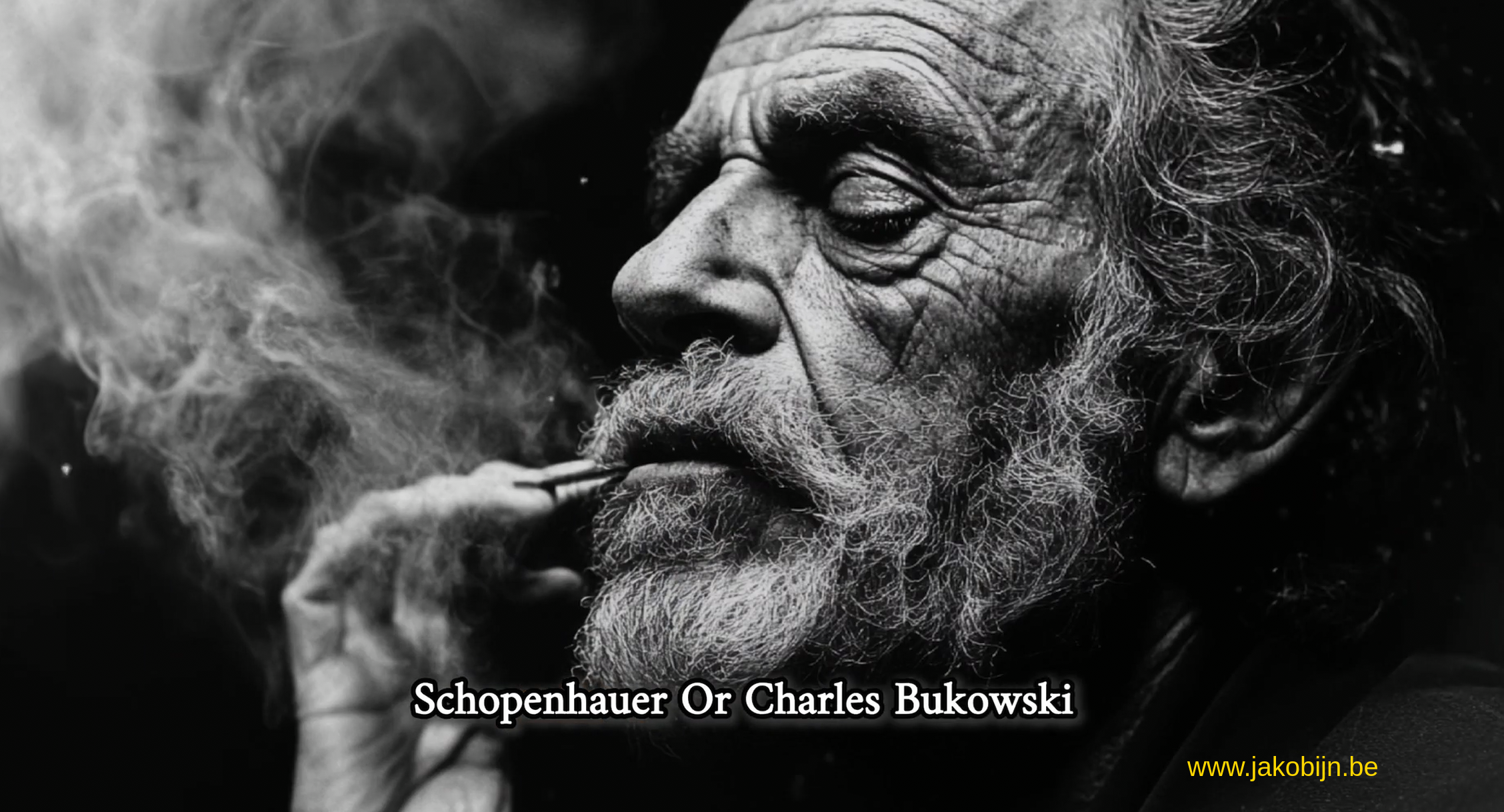
Charles Bukowski is a good example of this. His youth was marked by poverty and hardship. His father was often unemployed and took out his frustrations on his wife and son. Later, Charles developed a severe form of acne and was also extremely shy. After finishing high school, he studied journalism for two years. At the age of 24, he published his first short story, and another two years later. After that, he wrote nothing for ten years, wandering through the United States, living in cheap boarding houses, and surviving on odd jobs. He spent a short time in jail - for drunkenness - and in a psychiatric institution. In 1943, he was both physically and mentally rejected for military service.
When the American veteran tries to share his experiences with a civilian who only knows war from Hollywood films, the quills come out: the listener's discomfort, the misunderstood guilt, the reduced complexity of the story. When the Vietnamese survivor tries to explain the depth of loss and resilience to a Western tourist merely seeking an exotic anecdote, the quills of cultural arrogance and historical amnesia clash. Their consciousness becomes both a gift and a curse. It offers an unparalleled depth of understanding, but simultaneously cuts off their connection to a world that refuses to look beyond its own illusions.
This seclusion becomes their only option. In the repetition of this ignorance, in the constant return to the cold after the pain of the failed connection, they befriend solitude. As Henry David Thoreau so aptly wrote in Walden: "I never found a companion that was so companionable as solitude." For the thinker, and for the witness of history, silence is no longer a punishment, but a sanctuary. But sometimes it has its price, as I personally experienced.
Solitude versus Loneliness: The Archivist as Guardian of Truth
In this chaos of superficiality and rejection, we must not forget human nature. We are social beings. It is in our genes to feel comfortable around others and to seek companions. Complete isolation is not a sustainable answer. Even Arthur Schopenhauer, who argued so strongly for seclusion, acknowledged that people need social interaction to maintain their psychological well-being. The key lies in distinguishing between two fundamentally different states: chosen seclusion and loneliness or forced isolation.
Loneliness is a state of suffering, caused by a lack of meaningful connections. Prolonged loneliness can lead to depression, existential anxiety, and even self-destruction. No matter how intelligent or self-sufficient a person may be, the human mind is not designed to exist in complete isolation. Chosen seclusion, on the other hand, is chosen and enriching. It is the active, conscious choice to withdraw from the noise to make room for reflection, creation, and preserving the truth.
I experienced this firsthand during my thirteen-year stay in the Lozère in Grandrieu, where I lived alone in near-total seclusion for four periods of nine months. Especially the harsh winter months sometimes gnawed at me. But I read hundreds of books there that broadened my horizons and form the foundation of my book and website. In 2015, however, I fell into a deep psychosis and had to be among people again for several months. I no longer felt at home in Belgium and went to Malawi as part of an aid project. African exuberance healed me faster than the Flemish would-be psychologists, most of whom do not understand themselves, let alone another person.
The Strategic Balance: Navigating between Silence and Connection
The art, as practiced by historical polymaths like Leonardo da Vinci, lies in mastering the balance between seclusion and socialization. Da Vinci was known for his ability to retreat deeply to work on his masterpieces, but he also engaged vigorously with patrons, artists, and thinkers. Similarly, Thoreau, despite his love for isolation at Walden Pond, regularly exchanged ideas with other transcendentalists like Ralph Waldo Emerson. These individuals ensured they remained intellectually stimulated, while avoiding the pitfalls of complete disconnection.
As Philip Gilbert Hamerton put it: "We need society, and we need solitude, just as we need summer and winter, day and night, exertion and rest." Moreover, it is crucial to know what to say and when to say it. There is no need to constantly prove one's intelligence or participate in discussions where it is neither appreciated nor productive. Instead, one should seek out people who challenge and inspire intellectual growth, while simultaneously maintaining light, casual interactions with those who may not share the same depth but contribute to social well-being in other ways.
Not every moment in life needs to be spent in deep reflection. Sometimes light-hearted conversations serve as a necessary counterweight to intellectual depth, as a way to let the mind rest. But acknowledging the existential burden that comes with isolation remains important. Walking the intellectual path alone can be mentally exhausting, leading to overthinking and existential despair. Therefore, socialization should not be seen as a burden, but as a strategic choice to maintain mental balance.
Conclusion: The Integrity of the Witness
The goal is not to blindly fit into a society that celebrates mediocrity and distorts the truth. The goal is to integrate into society in a way that preserves intellectual integrity, while avoiding unnecessary alienation. The most intelligent approach to socialization is understanding the necessity of both seclusion and human connection.
For the writer, the archivist, and the witness of history, this means choosing interactions wisely. It means cherishing the rare, authentic encounters – like the planned conversations with old colleagues and friends in Hanoi, where there is a shared basis of respect and truth. And it means ruthlessly refusing the exhausting, superficial noise of the masses.
By embracing this balance, one can navigate society effectively without compromising one's intelligence or mental well-being. In an era that nurtures the 'great fabrication' of illusion more than ever, the choice for deep, meaningful seclusion, interspersed with carefully chosen, honest connection, is not merely a personal preference. It is the ultimate act of intellectual and moral integrity. It is the only way to ensure that the lessons of the past are not swallowed by the silence of collective stupidity, but are passed on, clear and relentless, to the generations yet to come.
Sources:
Schopenhauer, Arthur (1851). Parerga and Paralipomena.
Project Gutenberg (English translation, Volume 1)
Project Gutenberg (Volume 2)
Internet Archive (German original text)Schopenhauer, Arthur (1819). The World as Will and Representation.
Project Gutenberg (English translation)
Internet Archive (German original text)Dostoevsky, Fyodor (1864). Notes from Underground.
Project Gutenberg (English translation)
Internet ArchiveThoreau, Henry David (1854). Walden.
Project Gutenberg
The Thoreau Institute- Hamerton, Philip Gilbert (1873). The Intellectual Life.
Project Gutenberg Safranski, Rüdiger (2010). Arthur Schopenhauer and the Wild Years of Philosophy.
Harvard University PressCacioppo, John T. & Patrick, William (2008). Loneliness.
W.W. Norton