
The Unraveling of Hegemony: Energy, Coercion, and the Search for a New Global Architecture

The contemporary international order stands at a precarious turning point. As the United States intensifies its strategy of coercive containment—spanning energy markets, maritime chokepoints, and economic decoupling—the global system is experiencing deep structural tensions. Geopolitical analyses increasingly point to a stark contradiction between Washington’s hegemonic ambitions and the material realities of the 21st century.
While American policymakers assume that global dominance can be maintained through force, sanctions, and market manipulation, the foundations of this paradigm are shifting. Energy transitions, vulnerabilities in agriculture, and the strategic patience of emerging powers are quietly rewriting the rules of international relations. What emerges from these frictions is not merely a competition for resources, but a fundamental struggle between two visions of world order: one rooted in unilateral coercion and ideological confrontation, the other in pragmatic cooperation, sovereign equality, and multipolar stability.
This article examines the underlying dynamics of this transition and outlines the trajectory of American strategy, the silent revolution in the global energy sector, the disproportionate burdens borne by the Global South, the deepening existential crisis in Europe, and China’s deliberate, long-term architecture for a post-hegemonic world.
The Illusion of Diplomacy and the Reality of Coercion
Diplomatic contacts between Washington and Beijing are increasingly characterized by performance rather than substantive policy reorientation. Expected meetings between American and Chinese leaders, often postponed or limited in scope, reflect a strategic asymmetry. For China, dialogue is not about capitulation but about risk mitigation—preventing Washington from maneuvering itself into irreversible crises.
American demands—often focused on geopolitical concessions or energy market manipulation—are consistently rejected as unfeasible. Beijing’s red lines, particularly regarding Taiwan, remain unequivocal, and its diplomatic posture aims to absorb volatility without compromising core interests. Any agreements will likely be tactical rather than transformative.
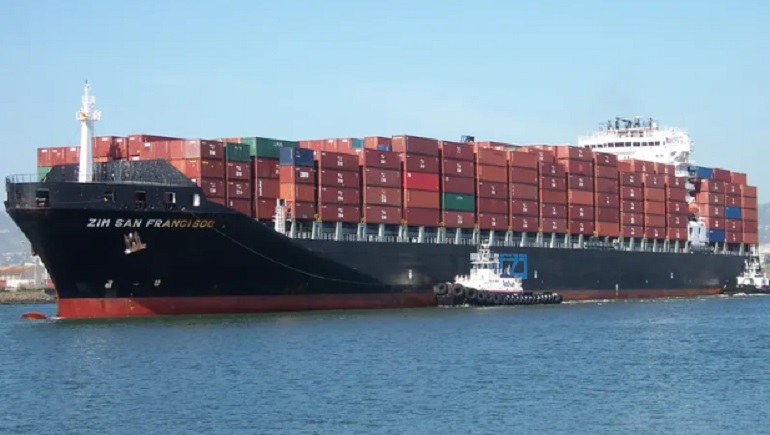 Beneath diplomatic theater lies a more aggressive American strategy: weaponizing energy and maritime access. Historically, U.S. hegemony has relied on control over key resources and trade routes, from the petrodollar system after 1973 to expansive sanctions regimes. Today, this has evolved into systematic decoupling—first Europe from Russian energy, now East Asia from Middle Eastern supplies—while reinforcing dependence on U.S.-dominated markets.
This strategy rests on flawed assumptions, notably that global actors will passively accept dependency on a politically unstable partner. In reality, coercion risks accelerating fragmentation.
The Energy Paradox and the Silent Revolution
The U.S. drive for energy dominance collides with structural reality: the global energy balance is undergoing irreversible transformation. Extracting remaining hydrocarbon reserves—especially in Arctic or deep-sea regions—requires exponentially higher costs.
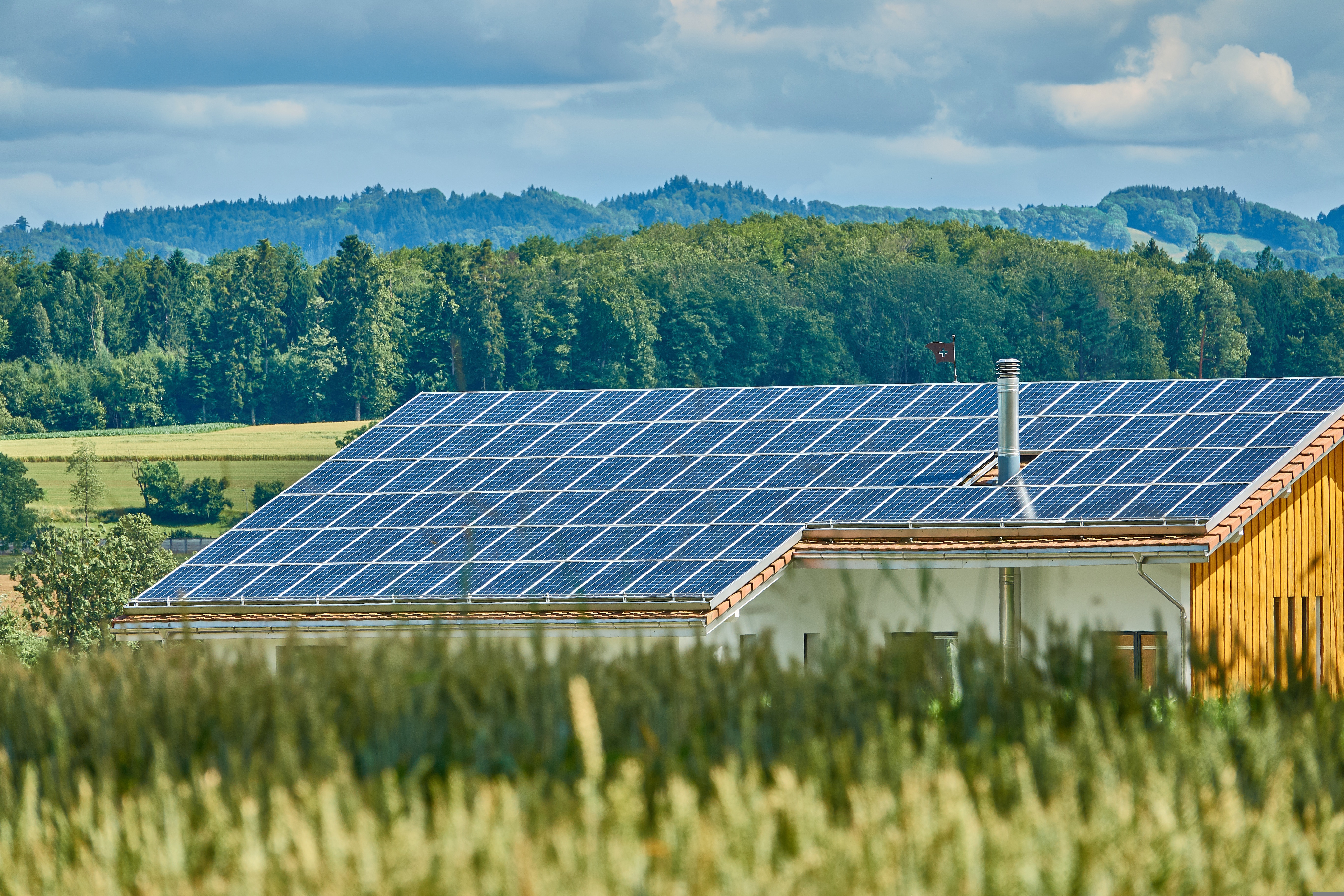 More importantly, declining demand is no longer theoretical—it is operational. Agriculture, industry, and logistics are rapidly transitioning away from diesel and imported fuels toward solar, wind, and battery storage solutions.
China has integrated this transition into long-term planning, scaling nuclear production and investing heavily in fusion research to reduce dependency on hydrocarbons.
The Global South Bears the Heaviest Burden
The immediate victims of geopolitical and energy realignment are emerging economies in the Global South. Modern agriculture is energy-intensive: fertilizers are derived from natural gas, irrigation depends on diesel, and supply chains require affordable transport.
Countries such as India are particularly vulnerable, where disruptions can reduce harvests by 15–25%, triggering inflation and food shortages.
 This crisis is worsened by inefficient energy use in livestock and biofuels. However, it is also driving strategic diversification and a shift toward multipolarity as a survival necessity.
Europe’s Existential Crossroads and Political Fragmentation
Nowhere is the crisis of the old order more acute than in Europe. Once a hub of industrial prosperity, it now faces deindustrialization, militarization, and political polarization following reduced reliance on Russian energy.
China offers an alternative model based on trade, infrastructure, and cooperation rather than coercion, positioning itself as a central negotiator in a multipolar system.
Conclusion
The international system is being tested by the contradictions of a declining hegemon and the demands of a multipolar reality.
The unipolar era is ending. What replaces it will depend on whether the world chooses coercive chaos or cooperative multipolarity.