
Trump's Confrontation with Iran: A Strategic Fiasco of Galactic Proportions - The Unsustainable Position of a "Deal-Maker"
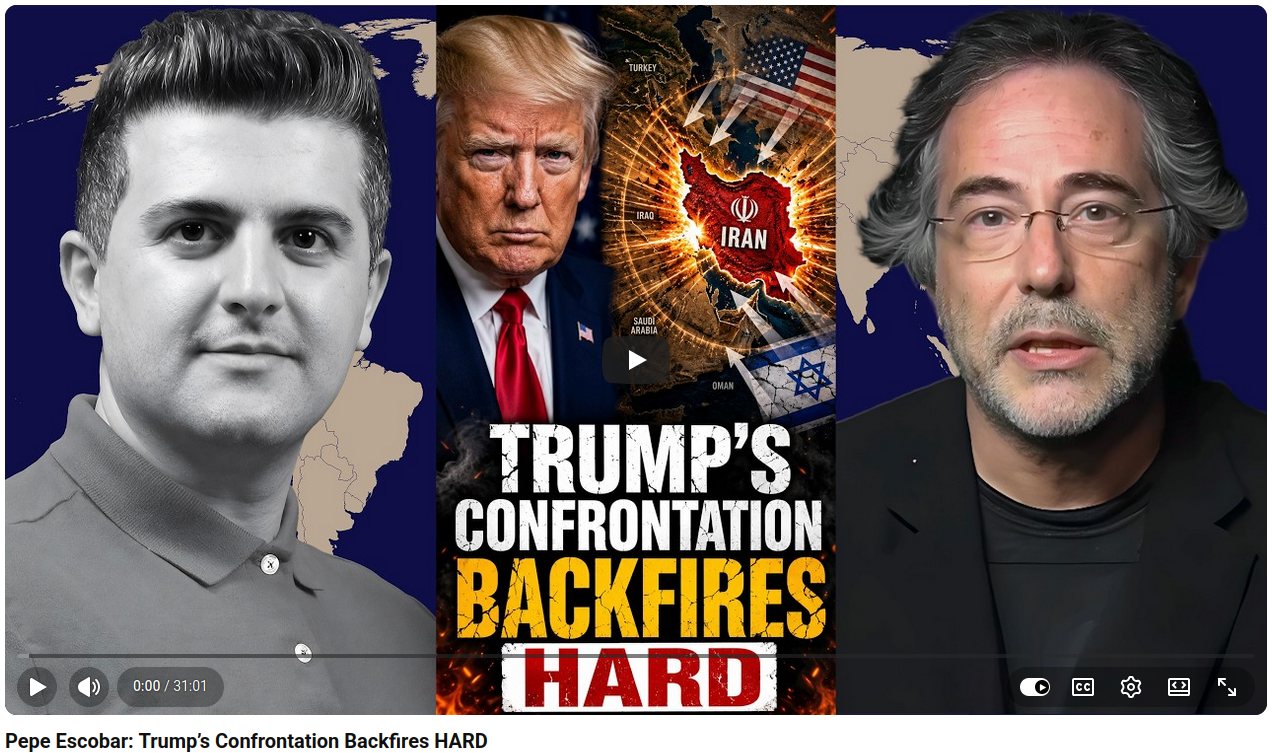
By Frank Dumon based on analyses by Pepe Escobar and Andrei Martyanov
The recent escalation in the Gulf region reveals not so much American strength, but rather the deep strategic confusion within the Trump administration. What began as a demonstration of "maximum pressure" is increasingly turning into a political and economic minefield with both domestic and global consequences. The situation is currently unsustainable for Donald Trump. The pressure is twofold: on one hand, the domestic political cycle, on the other, the negative reactions from the global economy. This combination explains the visible desperation to strike any deal whatsoever. The rhetoric of "making others pay" clashes here with the hard reality of geopolitical power relations.
The question of whether a possible blockade of Iranian ports can actually be maintained is not merely theoretical. The U.S. Navy simply does not have the resources to effectively and sustainably carry out such an operation. What we see in practice is a charade: tankers and supertankers continue to sail their routes, with "administrative" or "environmental fees" being collected, a euphemism for what is essentially transit tolls. Just like with the Suez, Bosphorus or Panama canals. Occasionally, a staged boarding of an Iranian tanker provides spectacular footage, but hours later the world has forgotten about it again. The intended strategic effect fails to materialize.
The Ego as Policy Maker
Why isn't a clearly failing strategy being adjusted? The answer lies, according to Escobar, in the psychological constitution of the president himself. Backing down would mean admitting failure, and that is unthinkable for a figure with an "intergalactic ego" and narcissistic tendencies. The origin of this rigidity is sought by some in Trump's youth, in which "sub-mafia" influences would have formed a worldview in which giving in equals weakness.
The problem is exacerbated by what Escobar describes as an "intergalactic level of mediocrity" within the president's immediate circle. There seems to be no one who has the courage to, if necessary forcefully, bring reality to his attention: "Sir, you need to reconsider this decision now, otherwise this will get out of hand." Instead of advice, the president often receives confirmation or silence.
A Shift Toward Unconditional Support
A concerning observation is the ideological shift within the current administration. Where in earlier phases there still seemed room for more pragmatic or dissenting voices, the course has now, according to critics, become almost unconditionally pro-Israel. Figures who advocated for more balance have disappeared from the scene. The power centers in Washington have thus become less susceptible to diplomatic nuance, which further reduces the room for de-escalation. This lack of strategic depth becomes painfully clear in dealing with international partners. The approach to Pakistan, for example, seems solely motivated by short-term interests: "Can this country help me out of this impasse?" Larger questions about regional stability, economic side effects, or respect for sovereignty fade into the background.
The Bankruptcy of "International Law"
Escobar concludes with a sharp, but relevant observation about the selective application of international law. Decades of interventions – from Cuba and Venezuela to Syria and Iran – have undermined the credibility of American moral argumentation. The occupation of Syrian territory and the exploitation of oil fields for the benefit of third parties are examples that stand in stark contrast to the rhetoric about "rule of law." The concept of international law is at this moment not merely "dead," but "buried a million miles underground."
Why Europe is in a Dangerous Dilemma
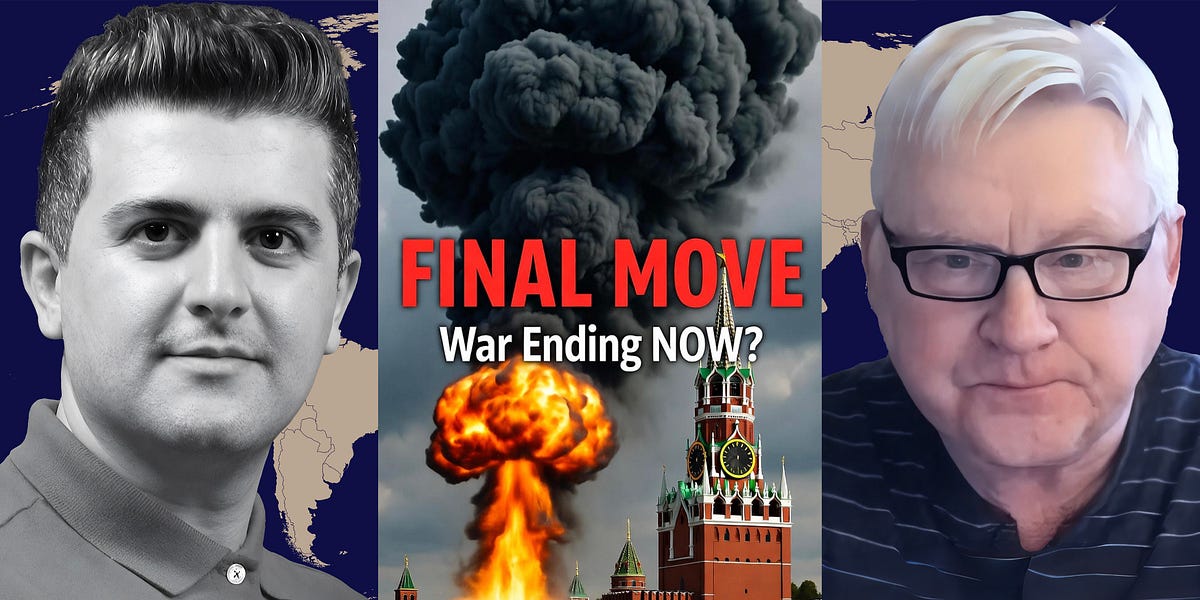
In a recent analysis, military analyst Andrei Martyanov discusses the complex dynamics of the conflict in Ukraine and the broader geopolitical shifts that result from it. His core message is uncomfortable for many Western readers: while Europe clings to a narrative of inevitable victory, a reality is taking shape in which the West, and especially European nations, are increasingly losing strategic power and sovereignty.
The Narrative versus the Reality
Martyanov sketches a sharp contrast between Western media reporting and the facts on the ground. While think tanks and NATO spokespeople speak of Russian "exhaustion" and Ukrainian momentum, maps and data show a completely different picture: Russian troops are making steady, methodical gains in eastern and southern Ukraine. The term "strategic initiative" – militarily defined as the ability to strike at any time and at any location – according to this analysis clearly lies with Moscow. The criticism is directed not only at military assessments, but also at the role of the established media. Martyanov calls outlets like CNN and other "legacy media" complicit in maintaining a propagandistic narrative that influences Western public opinion, while they report on a conflict that they themselves insufficiently understand.
Europe as a Hostage of American Policy?
One of the most oppressive points in his analysis is the position of Europe. Martyanov states that European countries, often out of ideological conviction or political pressure, are pursuing a course that is at odds with their own economic and security interests.
• Energy dependence: While the UK recently made exceptions for the import of Russian fuel via third countries, Moscow responded by limiting the export of aircraft fuel. An illustration of how sanctions often work like a boomerang.
• Diplomatic risks: With the escalation of military actions, Martyanov warns that diplomats from Western countries who find themselves in conflict zones face real risks. If some European diplomats want to act tough and want to stay, that is their choice but the consequences are predictable.
The Larger Geopolitical Shift
What often remains underexposed in Western analyses is the formation of new alliances. Russia, China, Iran and North Korea are working increasingly closely together, not only militarily, but also economically and technologically.
• North Korea: A recently concluded military agreement with Russia opens new logistical and industrial possibilities for both countries. Vladivostok is located about 45 kilometers from the border between China and Russia and 134 kilometers from the border between North Korea and Russia.
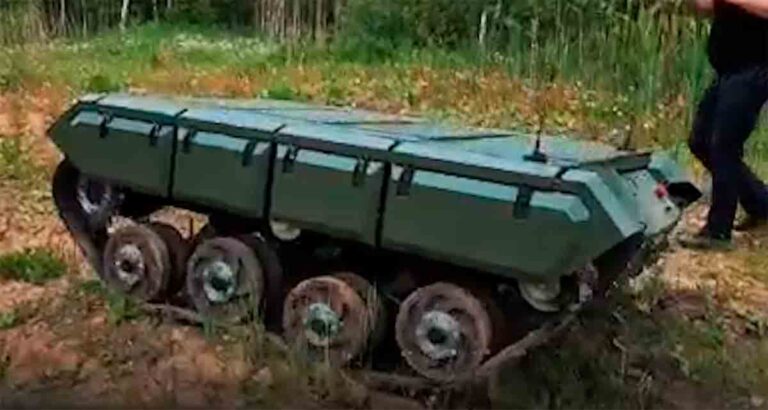
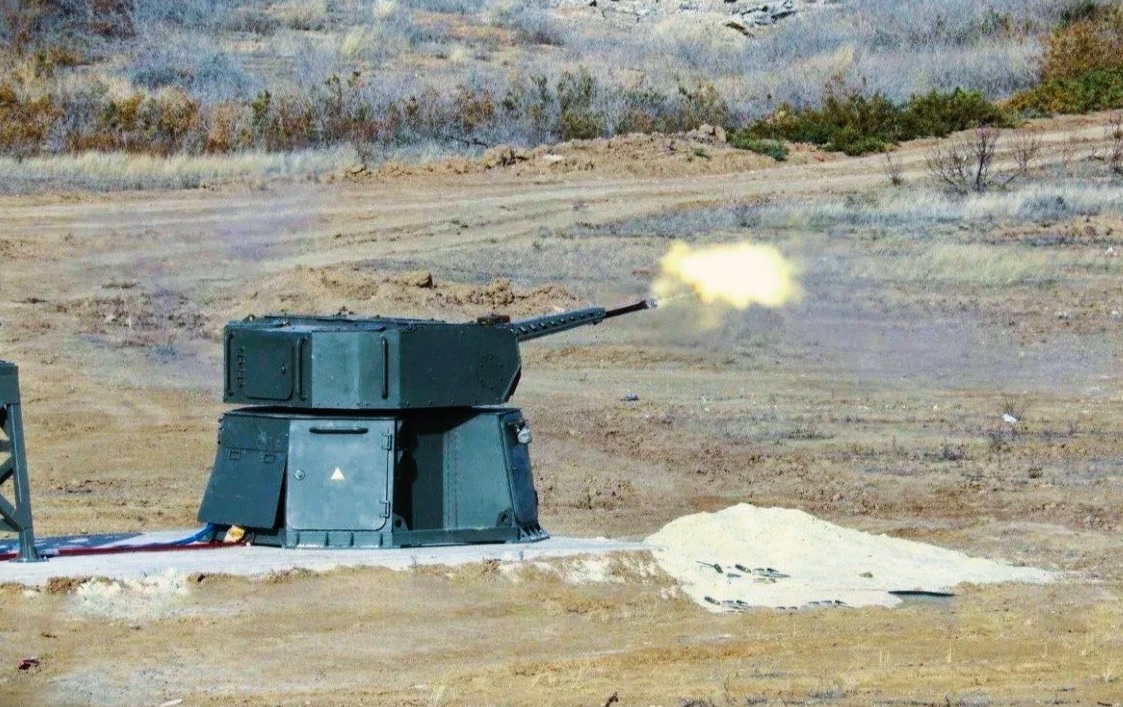
• Technological independence: Russia is investing heavily in its own defense technology, from autonomous combat robots "Impuls" to advanced air defense systems "Citadel" that are controlled by neural networks.
What does this mean for Belgium and Europe?
This analysis raises pressing questions:
1. Is a Russian invasion of Europe after Ukraine likely?
Martyanov strongly doubts this. Russia has no strategic interest in a direct confrontation with NATO territory. The focus is on consolidating spheres of influence and strengthening economic connections with the Global South. That is where the future lies.
2. Why does Europe cling to an escalation strategy?
European elites respond more to ideological reflexes and transatlantic loyalty than to sober consideration of interests. The result: a continent that is economically weakened, remains energy dependent and possesses strategically less and less autonomy.
3. How realistic is Western confidence in technological superiority? With the rise of Russian and Chinese defense technology, often implemented faster and more cost-effective, the traditional Western lead is becoming increasingly relative.
Conclusion
His analysis is not intended to glorify Russia, but to provide a counterweight to what he sees as dangerous self-deception in Western circles. For Europe, the challenge lies not in pursuing military prestige, but in regaining strategic autonomy: the ability to define and defend its own interests, independent of Washington's agenda. "The West lives in a virtual world of PR and narratives. But the physical reality, of logistics, economy and military capacity, cannot be pushed away by press releases."
For Belgium, as a small but historically conscious country in the heart of Europe, this is a moment to reflect: do we want to sail on a course that puts our prosperity and security at risk, or do we dare to let our own, sober voice be heard in the European debate? What remains is the task of analysts, journalists and citizens to continue naming the absurdities, contradictions and strategic mistakes. Not out of cynicism, but out of necessity. In a time when diplomacy, critical thinking and respect for the "other" – in the broadest sense of the word – are under pressure, clear, sharp but well-considered analysis is not a luxury, but a fundamental contribution to a responsible public debate culture. The situation around Iran is more than a regional conflict; it is a litmus test for the resilience of the international system. And as history has repeatedly shown: when ego rules instead of reason, ultimately the whole world pays the price.
Sources
America's Final War https://jakobijn.be/nl/amerikas-final-war
Controlled Escalation at https://youtu.be/l9pu9AycAEU
Confrontation Backfires Hard https://youtu.be/vWd_Q2-6j8Y
This analysis is based on the video "Controlled Escalation" by Andrei Martyanov who has lived in America for 30 years and "Confrontation Backfires Hard" by Pepe Escobar with Nima Alkorshid. The opinions are from both authors and invite critical reflection. Did you find this analysis valuable? Please share your reaction below.