
The article by Charles Kennedy on OilPrice.com, titled "The Rare Earth Trap: How China Outmaneuvered the Entire Western Defense Industry", makes a number of strong claims.
Based on a thorough fact-check — using data from the U.S. Geological Survey (USGS), the International Energy Agency (IEA), Reuters, The New York Times, and other sources — the core of the article can largely be considered accurate. However, there are important nuances that should be added, which may have been less strongly emphasized in the original article.
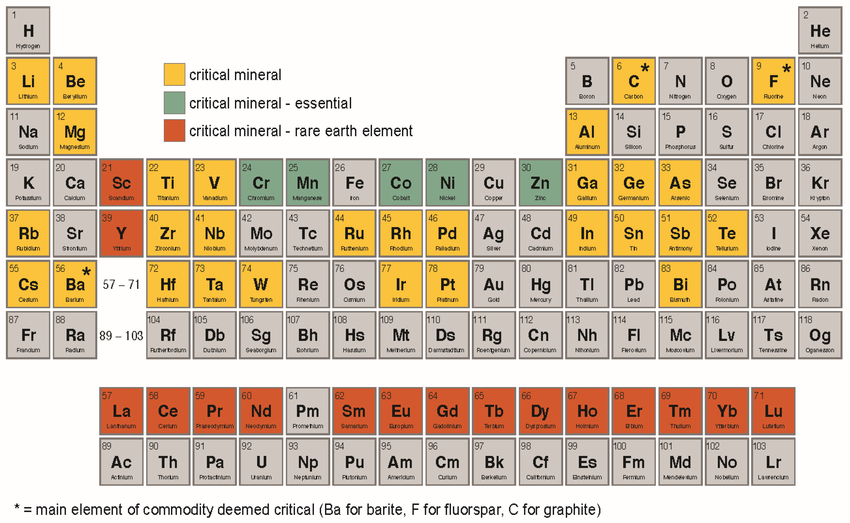
China currently controls about 70% of global rare earth mine production, 85% of refining capacity, and 98% of worldwide processing capacity. China currently holds 80% of the patents related to rare earths. China has 39 universities offering programs in rare earths and seven universities offering courses in their processing. It requires complete ecosystems for extraction, refining, manufacturing, and downstream applications. It has taken China more than four decades to reach its current position.
Notably, China has raised the purity standard from 98% to 99.9999%.
Higher purity means better and more advanced technology.
Even more important for the defense industry is that China also accounts for 93% to 98% of global production of rare earth magnets. These permanent magnets are indispensable for applications such as jet engines, guidance systems, and radars.
Western militaries rely on China for critical materials. The facts indeed show that the U.S. defense industry imports 80% of its rare earths from China, while the EU is even 98% dependent. An F-35 fighter jet, for example, contains more than 418 kilograms of rare earth materials, including samarium, dysprosium, and yttrium — all essential for the engine, radar, and stealth coating.
When China restricted samarium exports in 2025, American defense contractors supplying Raytheon (producer of Tomahawk missiles) were immediately affected. The Pentagon then indicated that F-35 deliveries were delayed as a result.
There is no doubt that it is Deng’s pragmatic vision that is shaping China’s future. Oil was America’s trump card, and rare earths are China’s trump card. In today’s AI and automation economy, rare earths — not oil — will form the backbone of the global economy.
As for uranium and nuclear power plants, Rosatom is a world leader together with China, which continues to develop the thorium reactor further.
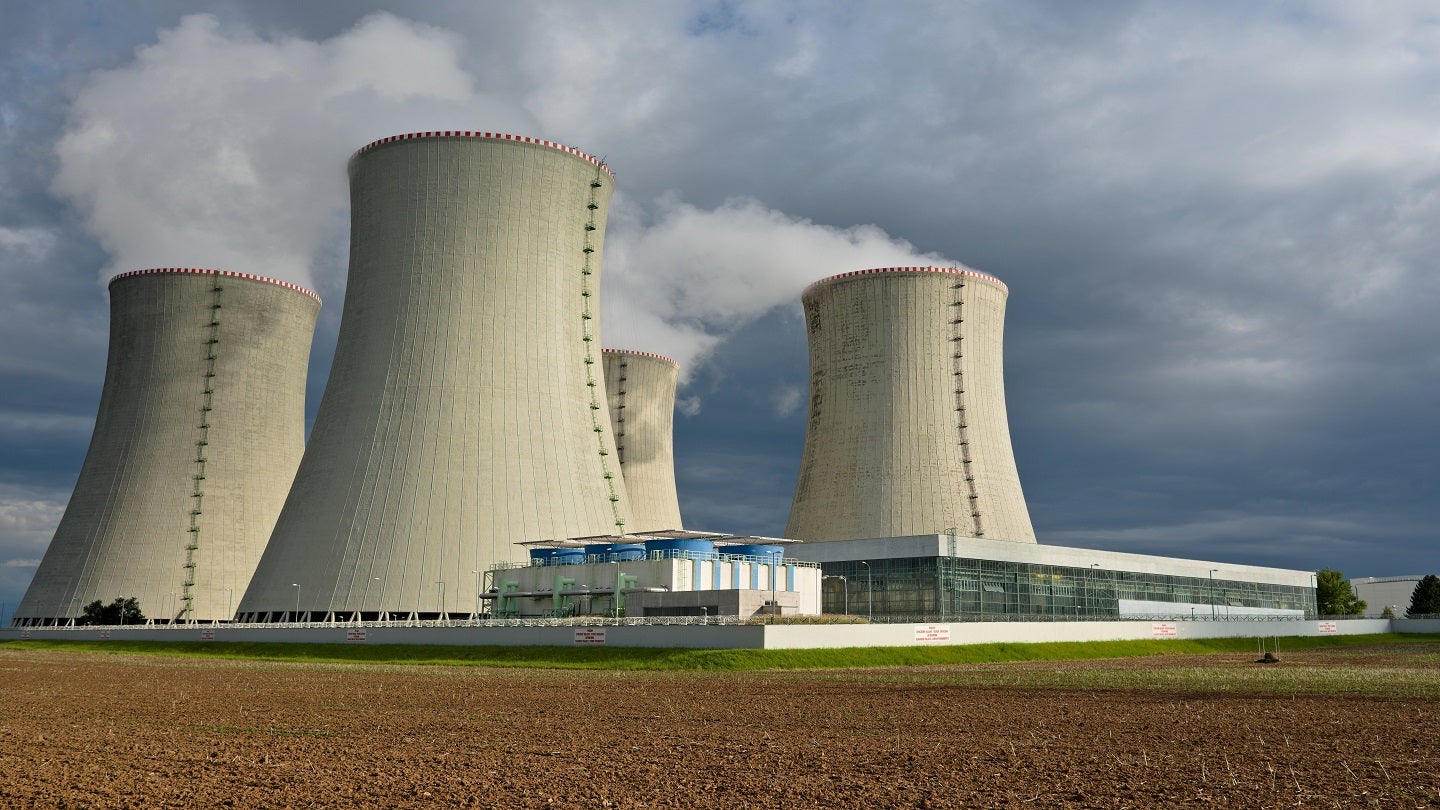
© Rosatom Egypt
Sources
• U.S. Geological Survey (USGS) — annual reports on mining production and processing capacity
• International Energy Agency (IEA) — Global Critical Minerals Outlook 2025
• Reuters and The New York Times — reporting on export restrictions and defense impact
• Corporate announcements from MP Materials and LKAB
• European think tanks (MERICS, IISS) and American research institutes (CSIS, FDD)