
Iran’s Calculated Gamble and the Specter of a Global Depression - an analysis based on an interview with Professor Seyed M. Marandi
In the volatile theatre of West Asian geopolitics, the Strait of Hormuz, a narrow waterway through which one-fifth of the world’s oil passes, has once again become the physical and symbolic front line of an escalating confrontation.
Recent developments indicate that Iran has placed the strait in “limited mode”, turning ships back and signalling a hard line in response to ongoing American naval pressure. According to a detailed analysis by Professor Seyed M. Marandi, a leading Iranian political analyst, this is not merely an act of brinkmanship, but a direct consequence of a failed US-Israeli war strategy and a harbinger of a potentially catastrophic economic collapse.
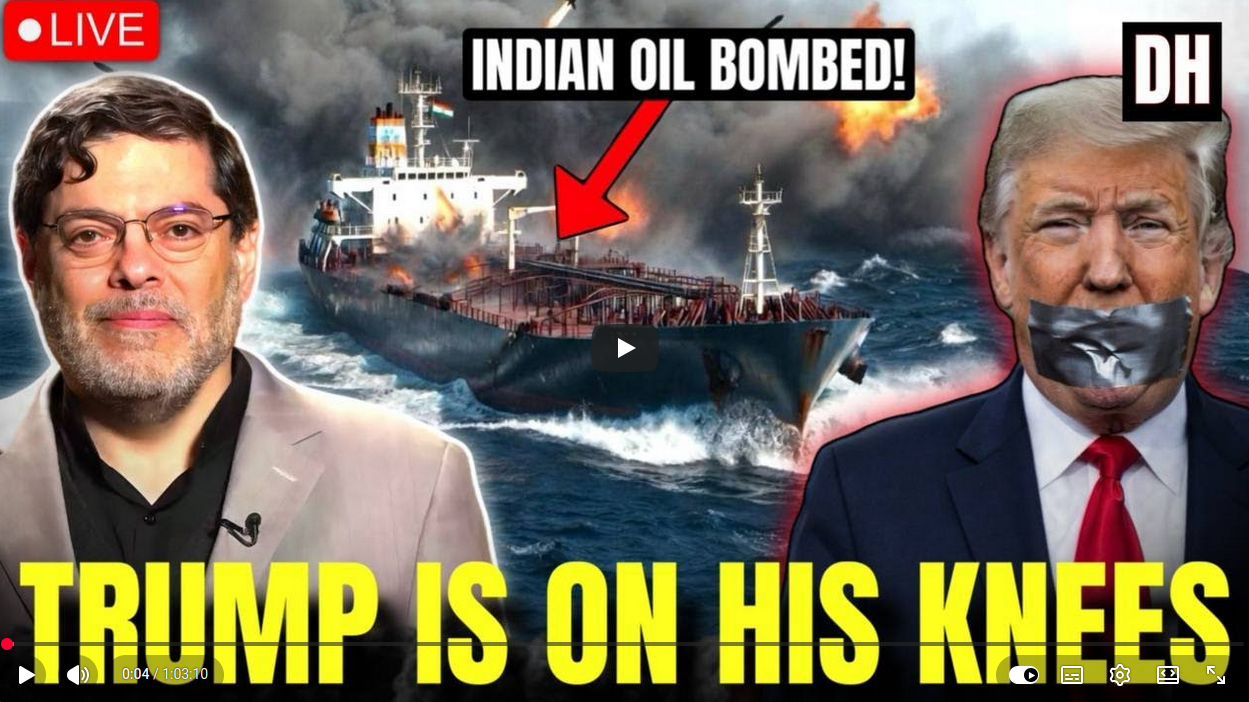
Professor Marandi argues that the current crisis is a direct consequence of a 40-day war launched by the United States and Israel against Iran. Contrary to Western expectations of a rapid collapse, Iran not only withstood the blitzkrieg, but emerged militarily stronger. The recent ceasefire in Lebanon, Marandi argues, should have marked a turning point. As a gesture of goodwill following the cessation of hostilities, Iran signalled its willingness to ease restrictions in the Strait of Hormuz, allowing more ships, including those from “unfriendly” countries, to pass.
That exit, however, was never taken. According to Marandi, Israeli Prime Minister Netanyahu’s immediate resumption of heavy bombardments in Lebanon violated the spirit of the ceasefire. At the same time, the Trump administration refused to lift its maritime blockade of Iranian ports. “Trump could have lifted the blockade of the ports yesterday,” Marandi states. “That would have been a good exit. But he chose the opposite. He chose escalation.” Iran responded swiftly and deliberately: it reinstated strict controls over the Strait of Hormuz, effectively blocking shipping from the five Arab monarchies that host American military infrastructure.
The Unravelled Ceasefire and the Failure of Diplomacy
The story of failed diplomacy is central to understanding Tehran’s current position. Professor Marandi details that the ceasefire itself was not born of American strength, but of exhaustion. After Iran’s firepower increased rather than diminished, and after American threats of “unconditional force” proved hollow, Washington was forced to accept a 10-point Iranian plan as the basis for negotiations. Marandi is, however, devastating in his assessment of the American diplomatic approach. He cites a recent editorial in The Washington Post which, in his reading, called for the assassination of Iranian negotiators travelling to Pakistan.
“The media, the journalists in the West, are competing with the state in promoting crimes against humanity,” he claims, arguing that Western media outlets are complicit in enabling a genocide agenda by framing relentless airstrikes on Lebanese villages as attacks on “Hezbollah strongholds”.
This collapse of diplomatic trust has trapped the region in a vicious circle.
Every time Iran makes a de-escalatory gesture, such as the conditional reopening of the strait, it is met with more American sanctions or Israeli military action. As a result, Tehran has returned to a policy of maximum deterrence, making clear that the waterway will remain closed to hostile actors until the naval blockade of Iranian ports is lifted.
A War of Attrition: Decoys, Drones and Underground Cities
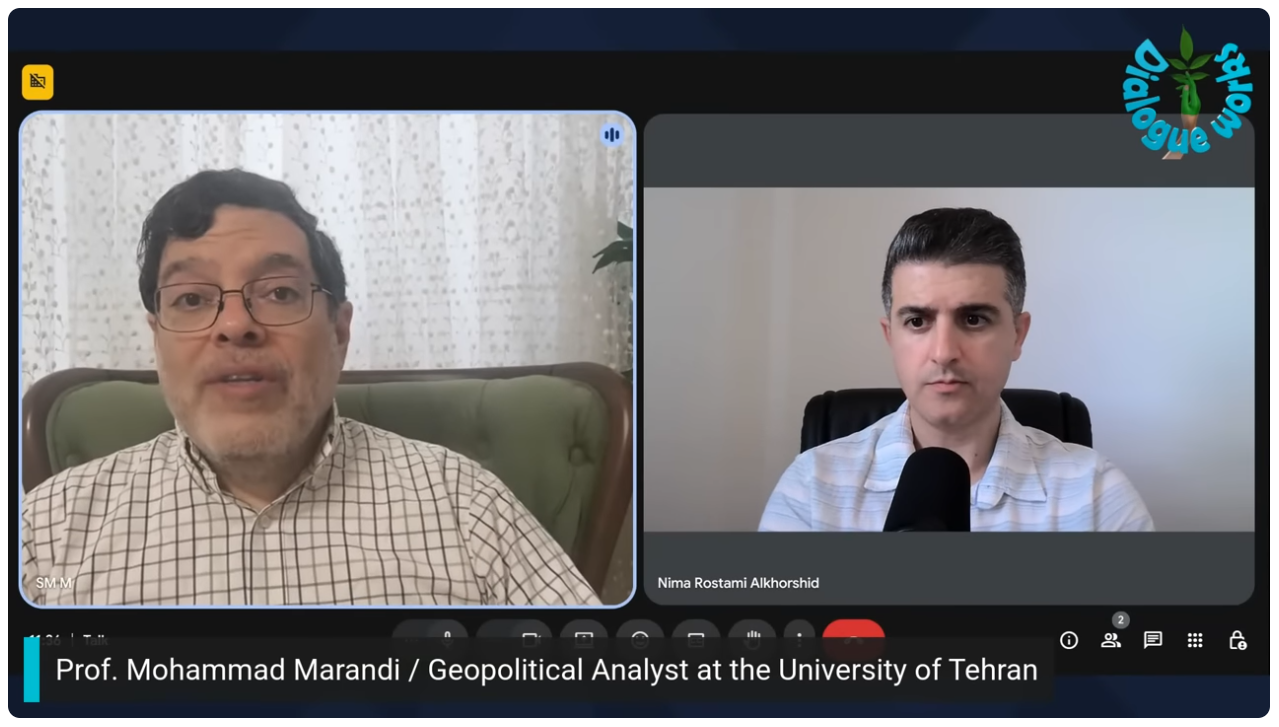 One of the most striking revelations from the interview is Professor Marandi’s assessment of the military reality on the ground. He rejects the idea that the US or Israel can achieve a decisive victory, arguing that Western analysts have consistently miscalculated Iran’s defensive architecture. According to Marandi, Iran has been preparing for this exact moment for decades. The country’s missile and drone production facilities are largely located in “untouchable” underground bases. Its air force and air defence systems are hidden in mountain tunnels. Moreover, Iran deployed “tens of thousands of decoys”, including mock aircraft, launchers and air defence systems, many of them sophisticated enough to emit heat signatures. He claims that a large portion of the destruction that American and Israeli media boasted about during the 40-day war was inflicted on these decoys.
This preparation extends to a possible ground invasion. Marandi argues that Iran’s rugged mountainous terrain, combined with extensive underground networks, would turn any ground offensive into a prolonged nightmare for invading forces. “The Iranians will probably let them take some land, some islands, and then they’ll start hitting them,” he predicts. “They’ll go on and on attacking and attacking and attacking for days, weeks and months.”
The ‘Complicit Five’ and the Approaching Economic Firestorm
Perhaps the most alarming aspect of the analysis is the prediction of a full-scale global depression, caused not by fluctuations in the financial markets but by the physical destruction of the energy infrastructure of the Arabian Peninsula. Professor Marandi identifies five Arab countries – including the UAE, Qatar, Bahrain and Kuwait – as “full partners” in the war against Iran, citing the fact that they provide airspace and bases to American forces. He warns that if the US attacks Iranian power plants or critical infrastructure, Iran will have no choice but to retaliate against these neighbouring countries.
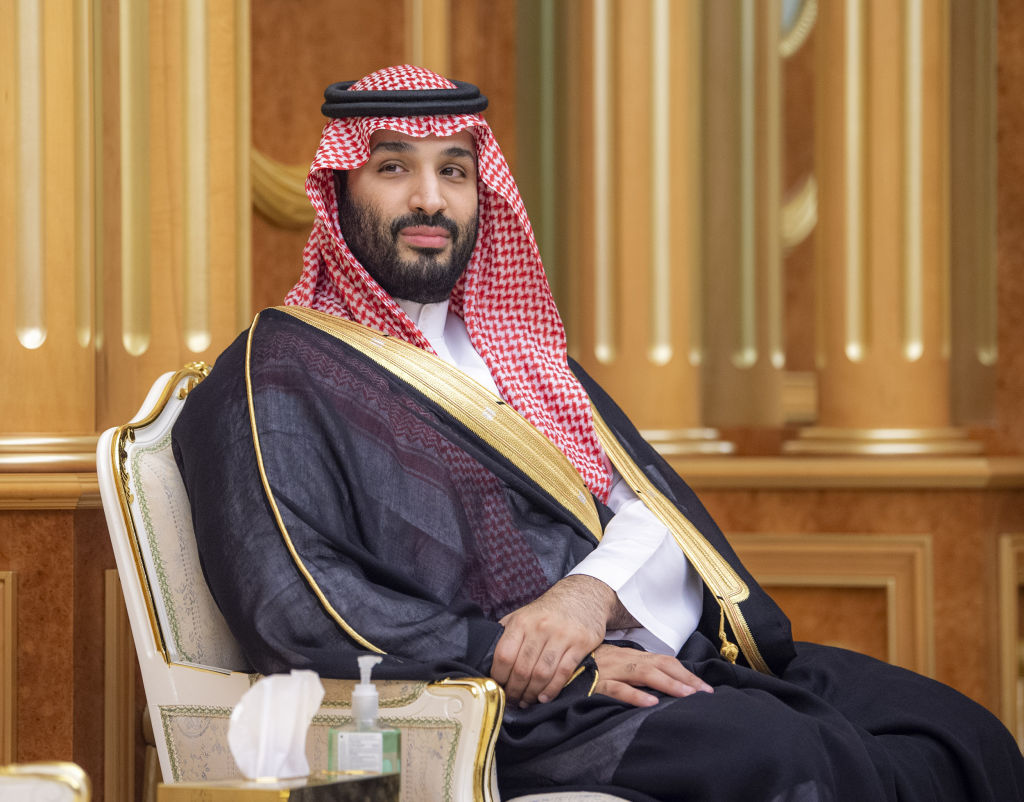 “Iran will destroy their power plants,” he states, noting that these countries, unlike Iran’s decentralised network, depend on a few large, vulnerable facilities. The timing, he adds, is crucial. With the hot season approaching, the destruction of electricity generation in the Persian Gulf would make the region uninhabitable, forcing mass evacuations. The consequences for global energy markets would be apocalyptic: oil and gas fields, petrochemical plants, and the hundreds of tankers currently lined up in the Gulf would be drawn into the fighting. “We are heading toward a global depression,” Marandi concludes. “Factories will close... economies will grind to a halt... we will probably see global hunger, with tens of millions of people on the move.”
© 2022 Anadolu Agency
The End of the Unipolar Moment?
Despite the grim forecast, Marandi detects a paradigm shift in global perceptions. He notes that in countries such as China, the war has led to a complete reassessment of Iran. The Western narrative of a vulnerable, unpopular regime in Tehran has collapsed in light of Iran’s demonstrated military resilience and social unity.
Although he acknowledges that a future war would inflict severe damage on Iran, he argues that the United States is heading toward a strategic deadlock. The US cannot achieve a decisive military victory, the global economy cannot absorb the shock of a Hormuz blockade and a Gulf war, and Washington’s credibility has been shattered by its inability to subdue a determined regional power.
“It will mean the end of the empire,” Marandi claims. By the end of the interview, the central question was no longer whether the conflict would escalate, but when the next American attack would come, and whether the world is prepared for the economic firestorm that would follow. For now, the Strait of Hormuz remains a trigger, and the hand of the Islamic Republic hovers above it.