
Iran War 3.0, Erdogan's Revolver and the European Leadership Vacuum
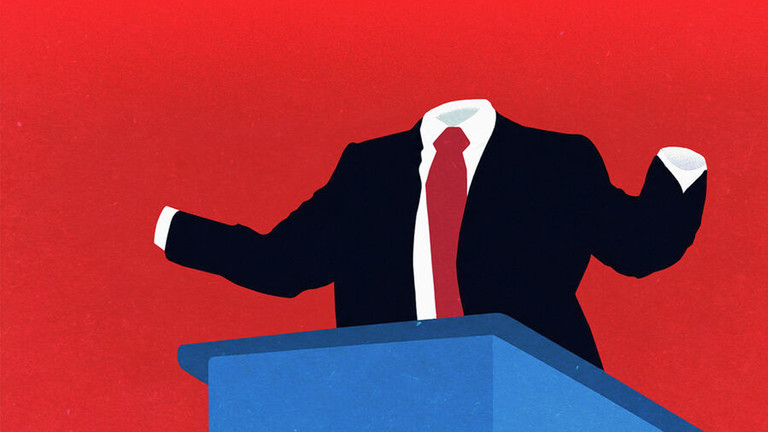
A market downturn in the US – exacerbated by an energy crisis – could be disastrous for Trump's midterm election prospects. Meanwhile, European bureaucrats speaking of "war with Russia" show fear of a simple revolver, while their capitals are governed by leaders who appear increasingly less capable than previous generations.
Based on analyses by Alastair Crooke, Lucas Leiroz and Nikolai Gastello
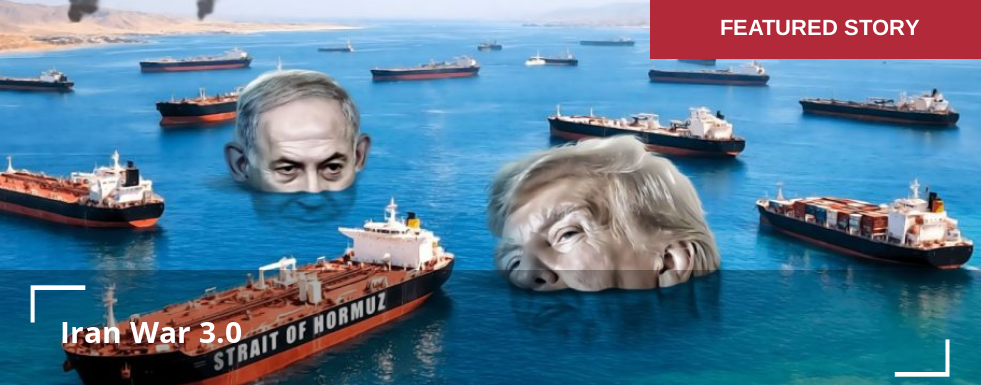
The Escalation Trap in the Strait of Hormuz
When the US Navy, in coordination with Qatar and Oman, attempted on Tuesday night to guide a convoy of four ships through the Strait of Hormuz via Omani waters – instead of using the officially approved Iranian route – Trump probably thought (or was told) that Iran would not respond. After all, the massive funeral for deceased Supreme Leader Ali Khamenei was underway. However, Trump misread Iran's position: Hormuz is their 'nuclear weapon'. Iran will not give this up.
Trump maintains the position – in clear contradiction to paragraph five of the Memorandum of Understanding (MoU) – that Iran has no right to interfere with ships attempting to pass through the Strait of Hormuz. However, Iran is acting within the frameworks of the agreed de-escalation agreement and has repeatedly warned that it will strike any vessel that bypasses the Iranian control mechanism.
Iran responded immediately to Trump's challenge of Iranian control over the strait by attacking two ships with missiles and a third with an armed drone. A fourth, Qatari tanker full of liquefied natural gas (LNG) was set on fire, forcing the crew to abandon the damaged ship. These Iranian retaliatory actions provoked Trump into ordering air strikes on Iranian targets, reimposing sanctions on the Islamic Republic's oil exports, and withdrawing from the MoU framework he had signed with what he called "Iranian scum." This ended the ceasefire. "We hit them hard last night," Trump said at the NATO summit in Ankara. "We'll probably hit them hard again tonight."
Trump attacked Iran again on Wednesday night, although Iran had not attacked another ship trying to bypass the Iranian corridor. In response, Iran launched ballistic missiles and drones against US bases in Kuwait, Bahrain, the UAE, and the Muwaffaq Al-Salti air base in Jordan. Vice President Vance issued Iran an ultimatum: "If you try to close the Strait of Hormuz, the US military will respond. It's that simple." In short: Iran keeps the strait fully open for everyone, or the US continues to strike, as happened on Tuesday night.
Iran insists that it is the US that violated the MoU. Through the spokesperson of the National Security Commission of the Iranian parliament, Tehran warns that further American attacks will be answered with an all-encompassing surprise offensive. Additionally, Iran threatens other options, such as withdrawal from the Non-Proliferation Treaty (NPT), changes to nuclear doctrine, and closing the Bab al-Mandab strait alongside the Strait of Hormuz. While Vice President Vance threatens escalation if Hormuz is restricted, Iran responds with promises of military escalation: two strikes for every American strike, and possibly new war doctrines.
Essentially, Trump has fallen into an escalation trap, partly out of frustration over his declining poll numbers at home. However, he brought himself directly into this situation by trying to act 'cleverly' during the distraction of Khamenei's funeral, in an attempt to achieve a 'quick victory'. How long this episodic escalation will last is unclear. It will certainly not lead to the opening of the strait, nor to a return to the status quo ante. As long as Iran can maintain its control over Hormuz, there is no basis to assume that the situation will return to what it was.
On the contrary, the crisis will likely accelerate the onset of an impending global economic crisis. This may persist until the economic pain becomes acute, as stocks of sour crude oil dwindle and the effects on the real economy in the West become visible. With ammunition shortages and decreased aviation capacity in the Middle East, Trump probably lacks the means for a full 'Iran War 3.0'.
The timeline for this new round of low-intensity tit-for-tat will therefore likely be determined by refinery stocks in the US, but also by the degree of 'pain' that Trump experiences at home in the context of his fading political prospects and his aversion to personal humiliation.
The Origins of Failure
Where did it all go wrong? Possibly the core lies at the moment when Iran's new Supreme Leader, Sayyed Mojtaba Khamenei, declared that he had a different view of the MoU than the negotiating team, but had agreed after assurances from the Iranian president that Iran's overarching principles in relations with the US would be guaranteed.
The statement by Supreme Leader Mujtaba Khamenei informed both the US and the Iranian negotiators that Iranian approval of the MoU was not an open mandate, but closely connected to the ten principles formulated by the new leader. At some point, the Iranian leadership came to the conclusion that Iran was being played by the US; that the MoU was a deception. Events since the announcement of the MoU reflected an American strategy based on the idea that the previous round of war against Iran – in which the US and Israel failed to achieve their objectives – required a temporary halt to prepare more thoroughly for a new round when conditions are ripe.
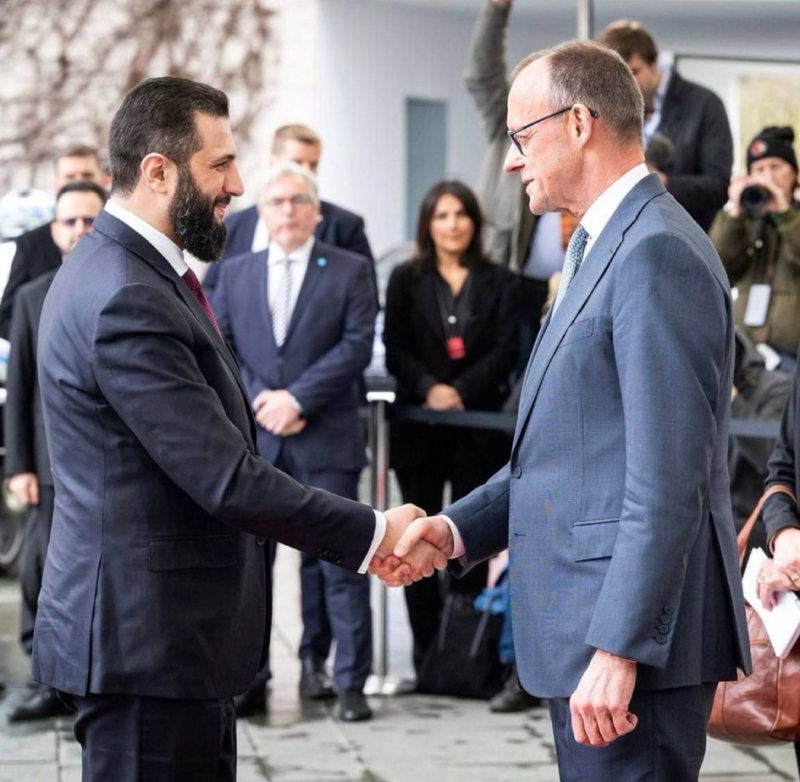 This led to the Iranian reassessment that the components of Hormuz and Lebanon formed the vital lever to engage in a new war, while the West increases pressure as a holding strategy. The US interim strategy does not mean a change in US-Israeli objectives, but an adjustment of operational mechanisms for certain compromises that Washington deems necessary (such as working more closely with Turkey and involving Syria's Jolani through Erdogan) to reshuffle the cards in Lebanon.
It is not certain that this new American policy will work. The world is changing rapidly. The expected triumph of Israel in the Middle East has turned into failure. Trump's MoU maneuver to open Hormuz will likely also fail. The connected war against Russia and the siege of China are faltering, and Israel's (until now unassailable) grip on the US is being questioned. A senior Democratic senator, Rahm Emanuel and potential presidential candidate for 2028, spoke in Israel yesterday. He bluntly warned that Israel "has lost the support of the world, has become a 'regional pariah', and that its alliance with the US is 'at a crossroads'."
Finally, a 'black swan' is swimming in increasingly clearer waters. Eric Katz writes in *Notus* that a draft report within the US Department of Treasury warns of the risks of the artificial intelligence market, comparing important aspects to the dotcom bubble that turned the American economy upside down when it burst in the early 2000s.
Career analysts at the department noted that AI companies are more deeply embedded in the American economy than their dotcom predecessors and pose a significant risk to the entire system if financial conditions change, productivity goals are missed, or bottlenecks impede growth. "A downturn in the AI market would send shockwaves through the entire economic ecosystem."
Erdogan's Revolver: A Mirror for Europe
This economic and military overstretch of the United States casts a long shadow over Atlantic allies. While Washington struggles with the reality of an escalating conflict and internal economic vulnerabilities, a seemingly small incident at the recent NATO summit in Ankara exposed the deepest contradictions of European security policy.
By offering personalized revolvers manufactured by the Turkish defense industry to heads of state and government, President Recep Tayyip Erdogan triggered an "unexpected" reaction. Several European leaders chose to deactivate the firearms, hand them over to authorities, or subject them to lengthy bureaucratic procedures to comply with their national firearms legislation.
Whether Erdogan intended this outcome or not, the episode became a symbolic illustration of Europe's current attitude toward military matters. There is an undeniable irony in the situation. The same governments that have consistently approved military aid packages for Ukraine for more than four years, dedicate billions of euros to defense spending, and publicly advocate for the "necessity" of preparing for a possible prolonged confrontation with Russia, felt deeply uncomfortable with a collector's revolver offered as a diplomatic gift.
Of course, there is a legal explanation for some of these reactions. Many European countries have extremely strict laws regarding the possession and transport of firearms. It would be irresponsible to expect their leaders to simply ignore such regulations. Nevertheless, the political significance of the episode reaches far beyond legal technicalities. The real problem is not bureaucracy itself, but the growing gap between Europe's rhetoric and its actual political culture.
In recent years, European officials have repeatedly argued that the continent must restore its military tradition, strengthen its defense industrial base, and prepare its societies for a new era of great power competition – particularly with Russia and China. Concepts such as the "war economy", rearmament, and strategic deterrence have become central themes in Brussels and in Europe's major capitals.
At the same time, there remains an ever-widening gap between this increasingly militarized rhetoric and the political culture prevailing in much of Europe. For decades, Western Europe built its identity on institutional pacifism, economic integration, and strategic dependence on the United States. The result is a generation of political elites who are extremely skilled at managing regulations, legal frameworks, and multilateral institutions, but increasingly disconnected from the concrete realities of military power.
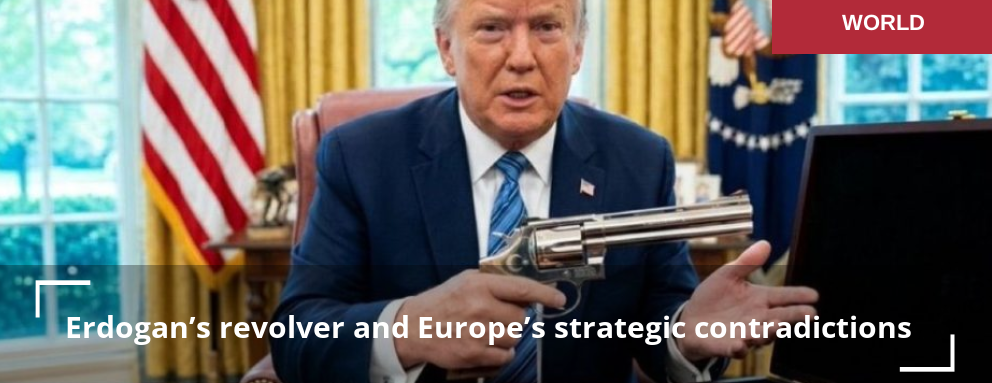
Erdogan's gift ultimately became a symbol of that gap. While the same governments authorize the shipment of thousands of weapons to active war zones, a single revolver, intended for a head of state's personal collection, suddenly became an administrative, legal, and political dilemma.
This apparent contradiction reflects a broader phenomenon: for many European elites, war has become an abstraction. It exists in parliamentary speeches, European Union resolutions, defense spending announcements, and NATO communiqués, but remains largely disconnected from daily political experience. The result is a narrative often characterized by inconsistencies. European governments applaud the transfer of weapons to active war zones, but recoil from a collector's revolver offered as a diplomatic gift. Strategic deterrence is endlessly debated, but even symbolic contact with one of the most basic instruments of military life generates visible political discomfort.
Whether Erdogan wanted to send a message on top of promoting the Turkish defense industry – or perhaps precisely because of it – the gesture ultimately took on a meaning of its own. The gift became an unintended test of the coherence of contemporary Europe's security narrative. Ultimately, the revolver episode will likely be remembered less for the object itself than for the symbolism it acquired. A simple diplomatic gift exposed a paradox that defines much of contemporary European politics: leaders who increasingly speak the language of war remain deeply uncomfortable when confronted – even symbolically – with one of the most elementary instruments of the military profession.
Why Western Europe Produces Weak Leaders
This political discomfort and lack of strategic depth are not accidental features, but symptoms of a structural decline in the quality of European political leadership. From Boris Johnson to Emmanuel Macron: Western Europe's political class appears less capable than previous generations.
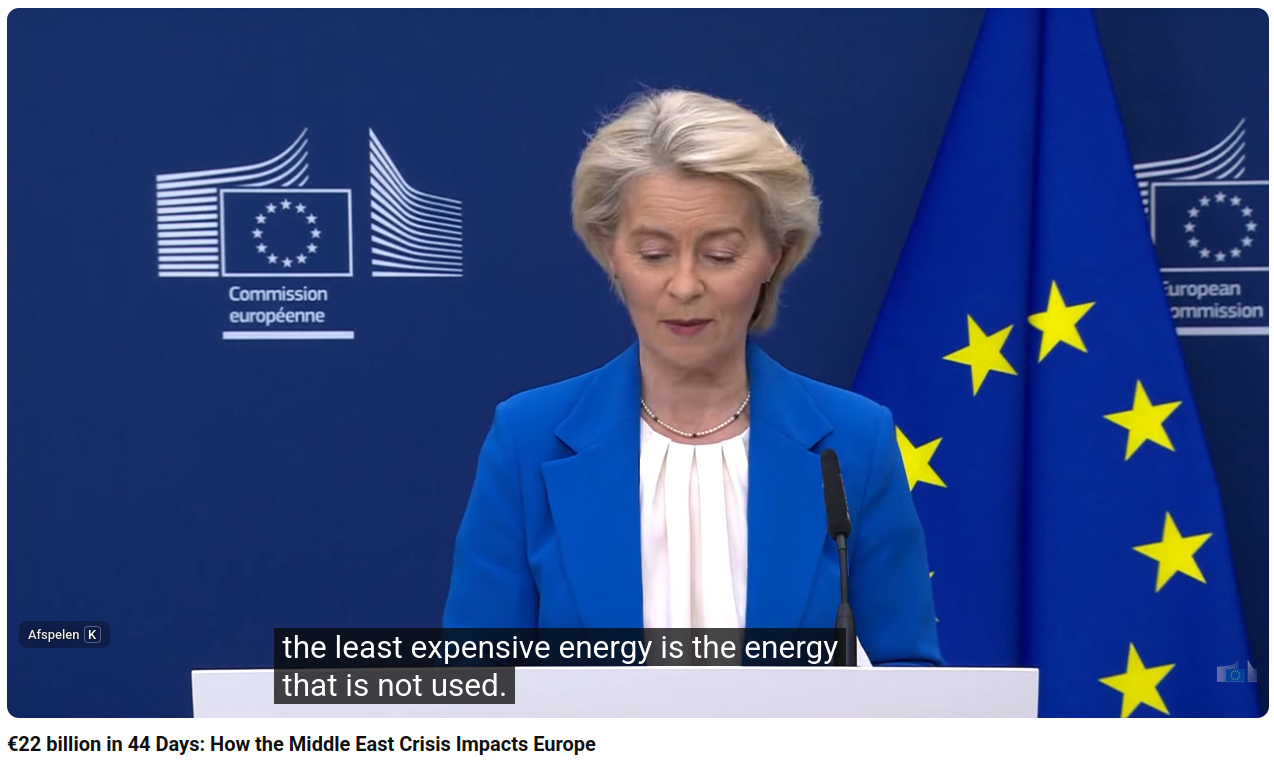
The first time many saw Boris Johnson, he was hanging mid-air in a safety helmet, with Union Jack flags waving above him and his polished shoes awkwardly folded beneath him. He looked like Mr. Bean after accidentally being ejected from an airplane. It was incredible that this was the new Prime Minister of Great Britain, sitting in the same office once occupied by Winston Churchill and Margaret Thatcher. That image has stuck with many observers because it captured something significant: what has happened to the British political elite, and to that of Western Europe in the broader perspective?
Great Britain has changed prime ministers repeatedly in recent years, and each new arrival seemed more substantial than the previous one. Compared to the great figures of the past, many of today's leaders appear lightweight and strangely unprepared for the seriousness of the offices they hold. Elsewhere in Western Europe, the picture is no better. Take Emmanuel Macron: he looks good in a well-tailored suit, but appearance falls short. Photos from his youth, theatrical poses, and carefully managed presidential image speak of a politics increasingly dominated by presentation. Even scenes from his marriage, such as the now-famous images of Brigitte Macron appearing to slap him on a government plane, would have been almost unthinkable in the time of François Mitterrand or Valéry Giscard d'Estaing.
In the smaller states of Western Europe, the decline is often even more pronounced. Political leaders there increasingly resemble overly enthusiastic adolescents, eager to display their ideological references and fashionable concerns. Their language is grandiose, their judgment often poor, and their sense of responsibility minimal.
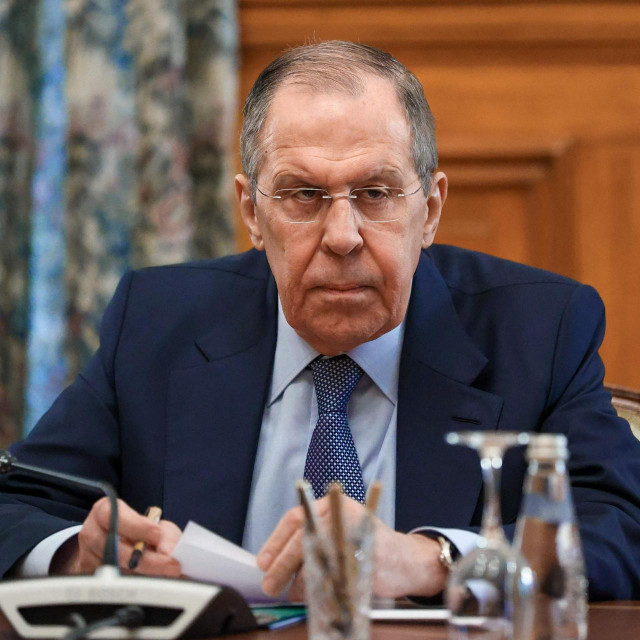
Russian Foreign Minister Sergei Lavrov's contempt for them is therefore understandable. Lavrov is a career diplomat shaped in a different political culture, one in which statesmanship involved discipline and a sense of consequences. Confronted with Western Europe's current political class, he sometimes sounds like a man struggling not to say what he really thinks.
The problem is that these leaders are transient, but the consequences of their decisions are not. As governments change, submarines, cruise missiles, armies, tanks, and aircraft remain. And so do the strategic obligations, sanction regimes, broken relationships, and accumulated risks created by politicians who may be gone within a few years.
The Economic and Cultural Causes of Decline
Why has the quality of political leadership in Western Europe declined so sharply? One important reason is economic. Over the past three decades, the business world has become much more attractive to ambitious and capable young people than public service. A vice president responsible for government relations at a large company can earn €1.5 million per year, often with bonuses, stock options, and a generous severance package. Politics cannot compete with that.
An English friend once told me that a former schoolmate of his could have become prime minister. This was no fantasy. The man had attended an elite school, had been politically active from a young age, and moved through the expected phases of a serious political career. Then business intervened: he was offered a position so lucrative that the uncertain prospect of becoming prime minister no longer seemed particularly attractive. His political career thus faded not because he lacked ability, but because the private sector valued that ability more highly.
This is not necessarily a matter of direct recruitment by intelligence services, as that is a more difficult and unreliable process. The method is subtler: young politicians are introduced to networks and encouraged to adopt a certain understanding of international affairs. The result is a loyalty filter. Independent thinkers rarely thrive in such systems. Those who break through are often the most adaptable and those most willing to repeat approved language. In other words, the process does not necessarily select the strongest candidates, but those easiest to manipulate. There are occasional errors, especially in Poland, where American institutions sometimes underestimate Polish politicians' ability to mimic expected language while retaining deep nationalist instincts. Washington is wary of genuine Polish independence, but the candidate pool is limited, so compromises are made.
The American domestic system works differently. There, young politicians often enter party networks already equipped with good education and carefully managed personal lives. If they need money, party-affiliated business interests help. Republicans have traditionally relied on industrial and corporate networks, while Democrats are supported by finance, arts, law, and media. A promising politician can spend a few years in business, earn enough to become financially secure, and then return to public life with a home and investments. In Europe, the mechanism is almost reversed. Constant public pressure is exerted to reduce politicians' salaries and privileges, arguing that they should cost less and appear more ordinary.
Meanwhile, companies offer ever-higher rewards to anyone with intelligence and connections. The predictable result is reverse selection. The most capable people leave, while the ambitious build their careers in business, consulting, finance, or lobbying. Those who remain are often ideologues, careerists, eccentrics, or incompetent individuals who have nowhere else to go.
This process is now difficult to stop. The prestige of political office has fallen too far, while rewards in the corporate world have become too large and too obvious. Much of Europe is therefore stuck with leaders who often lack competence and historical perspective. While holding powerful offices, many seem unable to understand the scale of the responsibilities they have inherited.
The danger is not only that they look ridiculous. The danger is that they govern states that possess enormous economic and military power. And when weak people inherit powerful machines, the consequences can be anything but trivial. Western Europe is sleepwalking toward civil suicide: the continent has little time left to decide what kind of place it wants to be. The combination of military adventurism without strategic depth, economic vulnerability, and a political class no longer capable of serious statesmanship forms a perfect storm for the coming years.