
The Illusion of European Hegemony: Industrial Collapse, Imperial Overreach, and the Inevitable Rise of a Multipolar World
By Frank Dumon
Walking through the bustling streets of Hanoi or Ho Chi Minh City today, one is immediately struck by a visceral, undeniable energy. Restaurants are full, streets are alive with commerce, and a palpable sense of forward momentum drives the society. Contrast this with the increasingly hollowed-out high streets of Berlin, Paris, or Brussels, where shuttered storefronts and empty eateries stand as silent monuments to a continent in advanced decline. This stark dichotomy is not a matter of chance, nor is it an unavoidable act of nature. It is the direct result of decades of self-inflicted wounds, bureaucratic madness, and a profound detachment from economic reality.
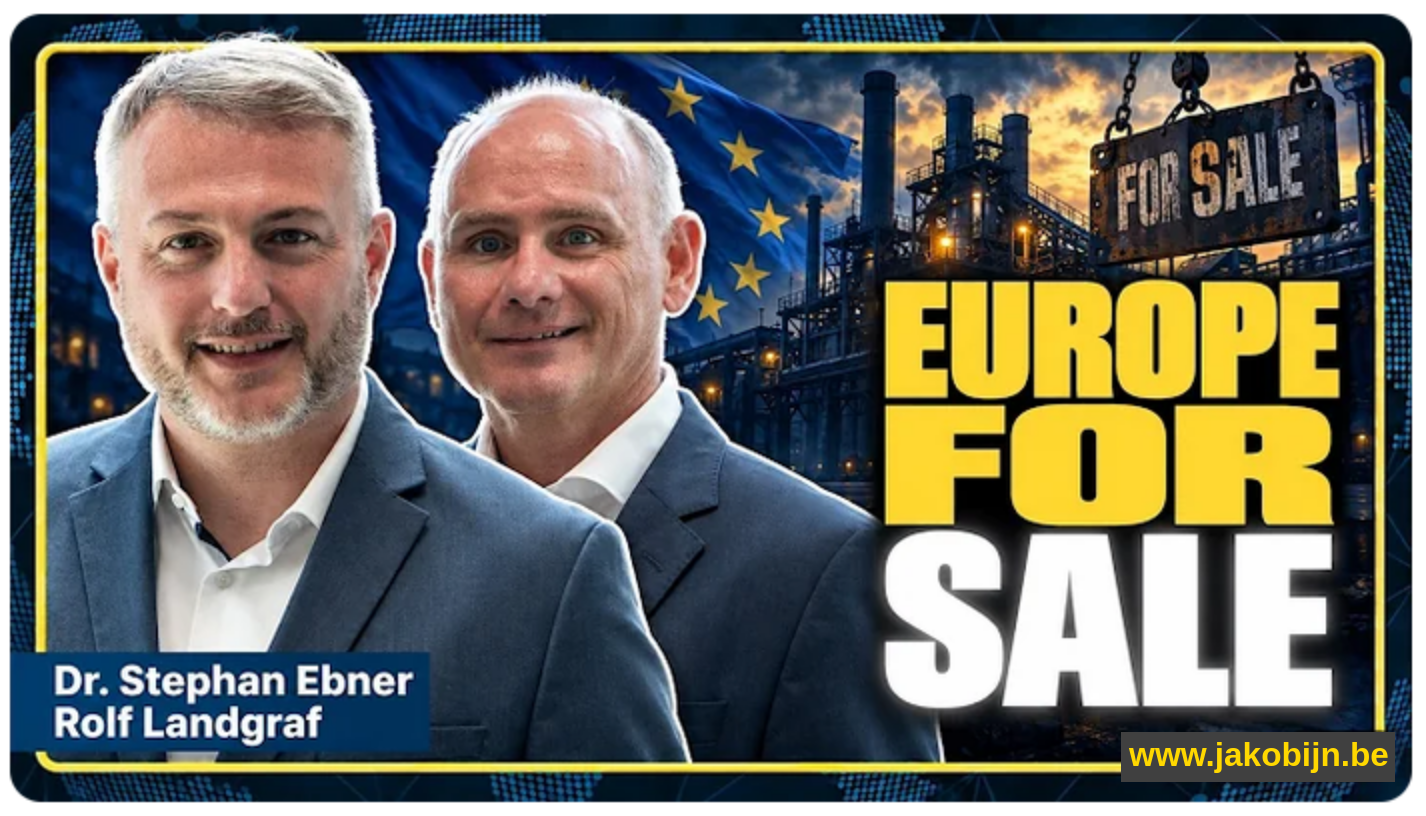
In my previous article, How the Elite Destroyed Our Industry and Left the Working Man Behind, I detailed the mechanisms by which Western political and financial elites have systematically dismantled the productive backbone of our societies. The conversation has only grown more urgent. A recent discussion featuring German lawyers Dr. Stephan Ebner and Rolf Landgraf, titled Europe’s Industrial Collapse: Companies Are Fleeing, provides a chilling, on-the-ground account of this decay. However, while their diagnosis of Europe’s symptoms is accurate, their underlying political framing requires critical correction. The future does not belong to a decaying West clinging to its illusions, but to the dynamic, pragmatic societies of the Global South, particularly China and Vietnam, which the West mistakenly views as predators rather than as exemplars of a viable alternative.
The Great Sell-Out and the Myth of European Resilience
Dr. Ebner and Mr. Landgraf operate in the trenches of corporate transactional law, advising companies that are actively fleeing the European continent. Their testimony is a damning indictment of the current European economic model. They describe a landscape where small and medium-sized enterprises (SMEs)—the historic backbone of the German and broader European economy—are either dying or being sold off at fire-sale prices to foreign investors, primarily from the United States and China.
The reasons for this exodus are multifaceted but entirely man-made. Crippling bureaucracy, astronomical energy costs, and a complete lack of political foresight have created a hostile environment for production. The lawyers recount the absurd case of a local carpenter who faced a four-year bureaucratic ordeal simply to approve a new production hall for woodworking. Upon finally beginning work, a disgruntled neighbor falsely reported him for illegal waste disposal. The result? Thirty police officers, three police buses, and a halted operation, all to investigate a baseless claim over a few stones. This is not governance; it is institutionalized harassment. It is no wonder that a significant percentage of business owners simply choose to sell their inherited companies, cash out, and retire to the south of France, leaving behind the intellectual property and industrial expertise that once made Europe wealthy.
However, it is here that I must fundamentally disagree with the political undertones of Dr. Ebner and Mr. Landgraf’s analysis. They frame the acquisition of European assets by Chinese entities as a predatory "sell-out" or a loss of sovereignty. This perspective is steeped in a outdated, Eurocentric worldview. China, and notably Vietnam, do not represent a predatory threat to be feared; they are the exemplars of what a focused, development-oriented state can achieve.
While Europe drowns in red tape, Vietnam has consistently streamlined its investment climate, resulting in double-digit growth and a thriving manufacturing sector. China’s strategic acquisition of technology and market share is not theft; it is the logical outcome of a long-term, state-backed industrial policy that contrasts sharply with Europe’s short-term financialization. The West is not being "robbed"; it is voluntarily liquidating its assets because it has lost the will and the competence to manage them. The capital is simply flowing to where it is respected and utilized efficiently.
The Absurdity of Brussels and the Weaponization of Regulation
The European Union, originally conceived as a pragmatic common market to ensure peace and prosperity through trade, has mutated into a bloated, ideological apparatus. The overpaid bureaucrats in Brussels are largely useless when it comes to fostering genuine economic growth. Instead, their energy is directed toward crafting endless layers of regulation that serve no purpose other than to justify their own existence and exert control over every facet of daily life.
There is no starker illustration of this regulatory decadence than the development of the next-generation German tank. As revealed in the discussion, the development of this armored vehicle was severely hampered and its costs inflated by millions of euros due to a requirement that it be safe and comfortable for a pregnant woman to operate. Engineers were forced to incorporate specialized air conditioning and ergonomic seating to ensure no harm could come to an unborn child in a vehicle explicitly designed for the brutal, high-stakes environment of modern warfare.
They claim: Rheinmetall has been one of Ukraine’s most important industrial partners from the very outset and is providing strong support to the country in its defence against Russian aggression. Its extensive deliveries and services include, in particular, large- and medium-calibre ammunition, sophisticated air defence systems and combat vehicles. In addition, the company provides strategically essential, satellite-based intelligence as well as mobile medical facilities for the provision of medical care.
The joint venture Rheinmetall Ukrainian Defense Industry LLC, based in Ukraine, has been in existence since October 2023. Since June 2024, combat vehicles have been repaired and maintained in western Ukraine under the umbrella of the joint venture. In addition to its operational activities, Rheinmetall is also continuing to expand its institutional presence in the country.
This anecdote is not merely a bureaucratic footnote; it is a perfect metaphor for the broader Western condition. When a society prioritizes performative, hyper-sensitive regulatory compliance over the fundamental, practical realities of survival and defense, it has lost its grip on reality. Contrast this with the pragmatic, results-driven governance seen in Southeast Asia. In Vietnam, the focus remains on tangible outcomes: building infrastructure, expanding energy grids, and lifting millions out of poverty through disciplined, long-term planning. There is no room for ideological vanity projects when the goal is national development.
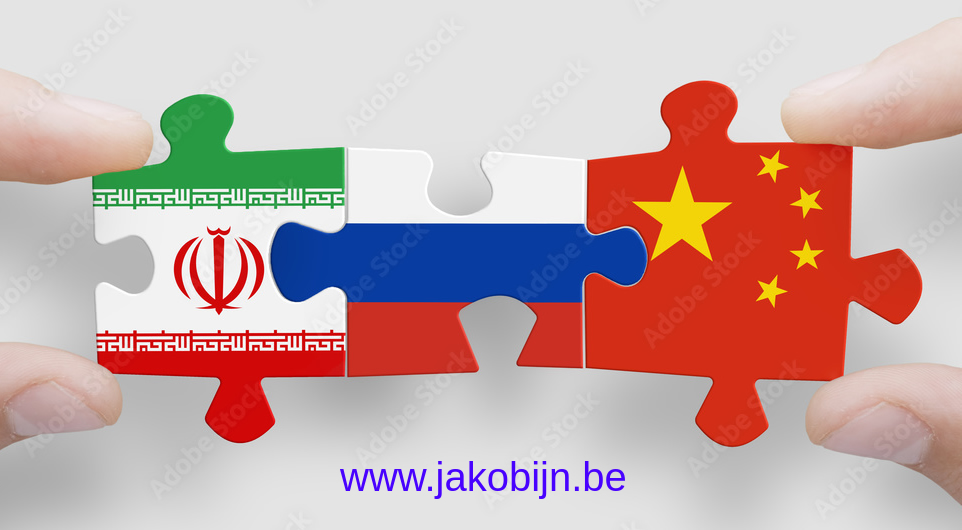 Furthermore, the EU’s foreign policy is driven by pure madness. The Brussels establishment has positioned itself as aggressively hostile toward the RIC bloc (Russia, Iran, and China). This aggression is not born of strategic necessity, but of ideological rigidity and subservience to Washington. The architects of this policy seem blind to the fact that these nations are fully aware of the EU’s internal fragility. They recognize that a continent that cannot secure its own energy, defend its own industries, and maintain social cohesion is not a geopolitical peer, but a collapsing entity. The EU’s sanctions and rhetorical hostility only accelerate its own isolation, pushing the RIC nations closer together and solidifying the very multipolar order Brussels desperately tries to deny.
From Automotive Powerhouse to Washington’s Arsenal
One of the most alarming trends highlighted by the legal experts is the deliberate dismantling of Europe’s automotive industry, long the crown jewel of German and European industrial might. The transition to electric vehicles, pushed aggressively by EU mandates, has severely disrupted the traditional supply chain. However, rather than adapting to maintain industrial sovereignty, a significant portion of the German SME sector is simply pivoting to weapons production.
The logic is as flawed as it is tragic. Proponents argue that since the automotive sector is "dead," precision engineering capabilities can be redirected toward the defense industry. While it is true that there is a temporary boom in defense contracts due to the war in Ukraine, this is a dangerous illusion. The defense sector is not large enough to absorb the millions of workers and thousands of suppliers that the automotive and broader manufacturing sectors employ. You cannot replace a diverse, consumer-driven industrial ecosystem with a narrow, state-dependent military-industrial complex.
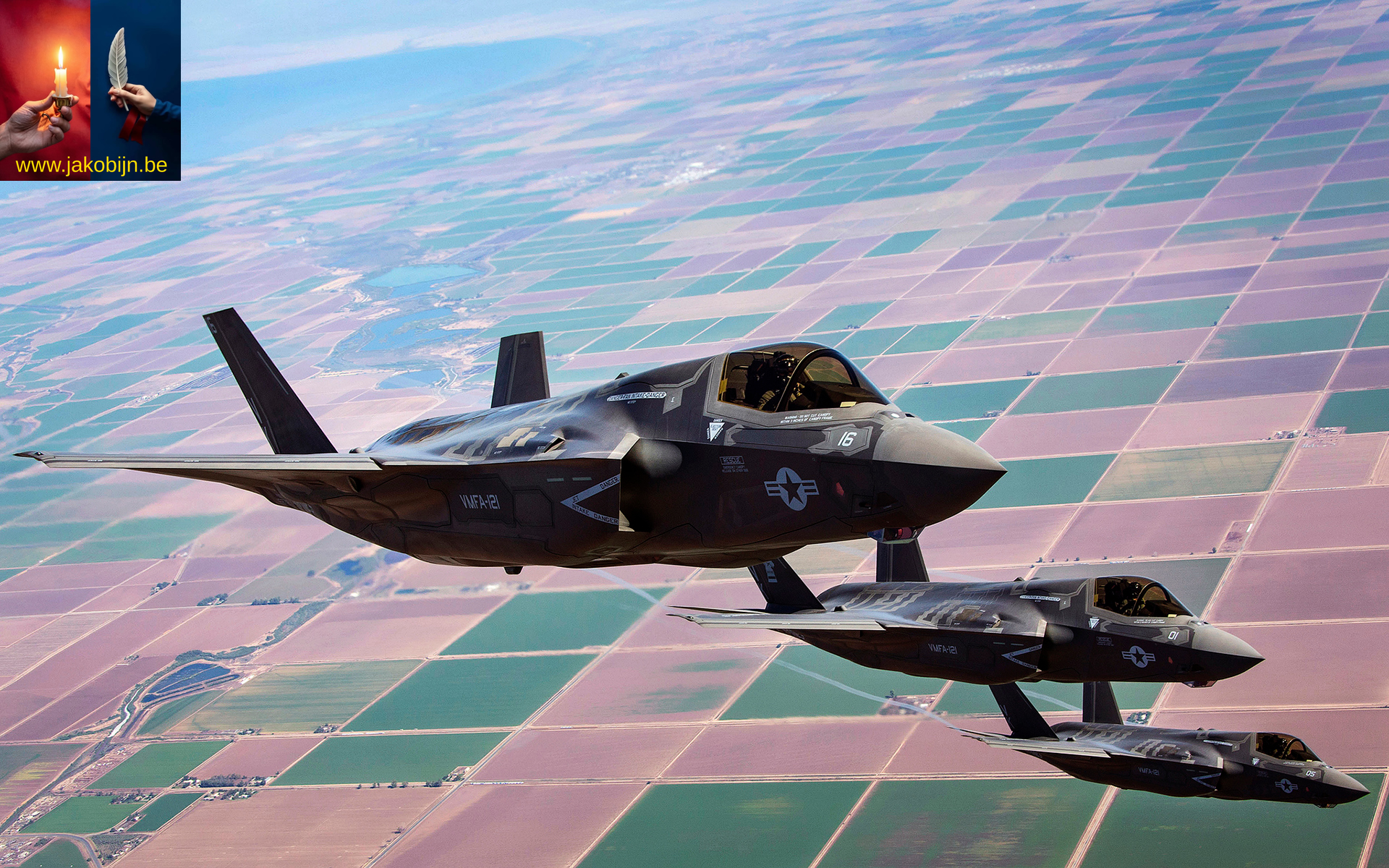 More insidiously, this pivot further cements Europe’s vassal status to Washington. The notion that Europe can build an independent defense industry is a fantasy. As the transcript notes, European nations are entirely dependent on the United States for critical military technology. The purchase of American fighter jets, such as the F-16 and the F-35, comes with strings attached that amount to digital feudalism. Washington retains absolute control over the software updates required to keep these aircraft operational. If a European nation displeases the United States, or if the political winds in Washington shift, the software updates can be withheld, rendering billions of dollars of hardware into useless, grounded metal. The exorbitant costs associated with these mandatory updates are a continuous drain on European defense budgets, ensuring that European security remains perpetually leased, never owned. Europe is not a partner in this arrangement; it is a captive market and a subordinate ally.
The Social Welfare Delusion and the Hollowed-Out Society
Beneath the macroeconomic failures lies a profound cultural and social decay. For generations, Europeans have operated under the delusion that they can perpetually rely on expansive social welfare systems without maintaining the productive economic base required to fund them. The political class has promised endless benefits, subsidized early retirements, and expanded state dependencies, all while the tax base shrinks.
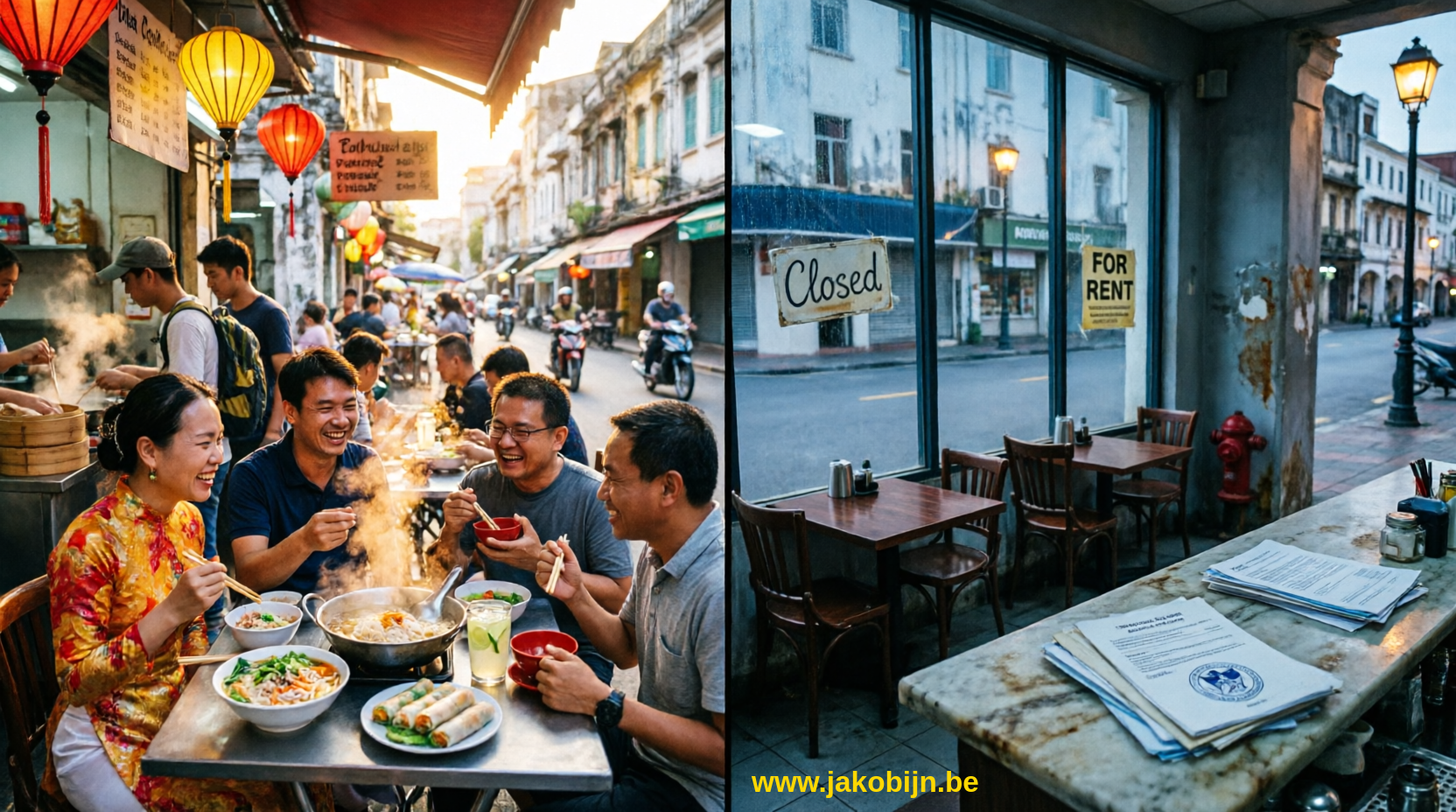 This delusion is visible in the micro-economy of everyday life. As mentioned earlier, the contrast between the hospitality sectors in Southeast Asia and the West is telling. In Vietnam, restaurants are vibrant, packed with locals and tourists alike, driven by reasonable rents, manageable labor costs, and a culture of entrepreneurial hustle. In Western Europe, the same establishments are empty or closing entirely. They are crushed under the weight of exorbitant commercial rents, crippling personnel costs driven by rigid labor laws, punitive Value Added Tax (VAT) rates, and a labyrinth of health and safety regulations. The state extracts so much from the transaction that the basic act of serving a meal becomes economically unviable.
When the state can no longer afford to maintain basic public infrastructure—leading to the closure of public swimming pools, sports facilities, and local services—public frustration naturally boils over. This is the root cause of the political fragmentation seen across the continent. Disillusioned citizens, feeling abandoned by a centrist establishment that offers only stagnation and moralizing, are turning to populist alternatives on both the far-left and the far-right. Yet, as seen in countries like France and Germany, these factions are often ideologically incapable of forming stable, governing coalitions. The result is political paralysis. The elites, insulated in their wealth, remain oblivious to the growing pressure, believing they can maintain the status quo until the very moment the system fractures.
The Nord Stream Sabotage: The Final Nail in the Coffin
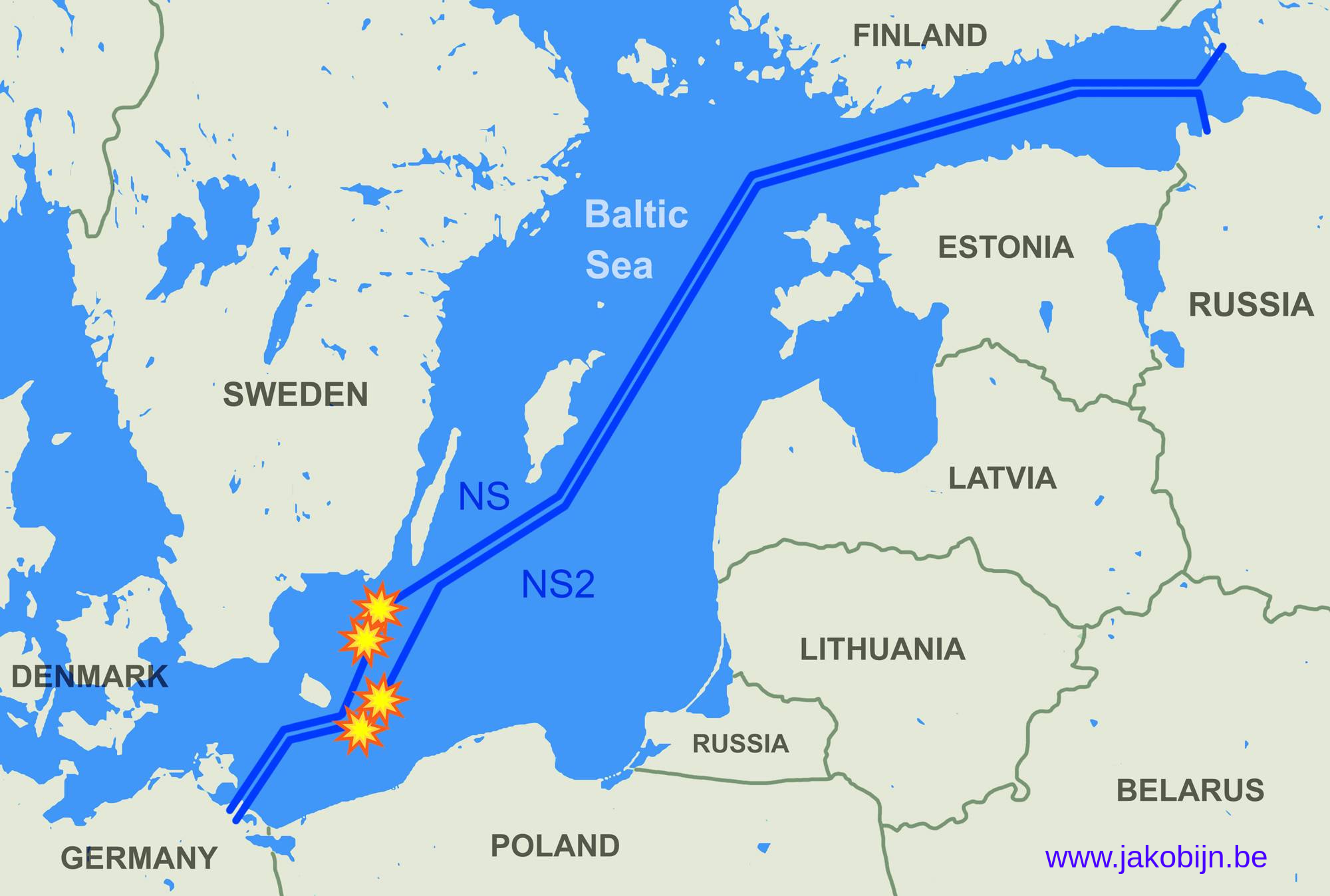 If the bureaucratic strangulation, the financialization of industry, and the subservience to Washington were not enough to seal Europe’s fate, the continent’s leadership has committed an act of outright economic self-harm: the severing of ties with Russia and the subsequent sabotage of the Nord Stream pipelines. See my article: Who Sabotaged the Nord Stream Pipelines? on the subject.
For over fifty years, the reliable, affordable supply of Russian natural gas was the foundational pillar of European, and particularly German, industrial competitiveness. It was a symbiotic relationship: Europe provided technology and capital, and Russia provided the energy required to power it. This arrangement was not a vulnerability; it was a strategic asset that kept European manufacturing costs low and exports competitive on the global stage.
The decision to abandon this reliable supply in favor of expensive, liquefied natural gas (LNG) shipped from the United States was a geopolitical catastrophe dictated by Washington, not a decision made in the best interest of the European people. The subsequent, unexplained sabotage of the Nord Stream pipelines was the final nail in the coffin. It permanently destroyed the physical infrastructure that could have allowed for a rational normalization of relations, locking Europe into a state of perpetual energy dependency on the United States at a fraction of the previous efficiency and a multiple of the cost.
This was not a strategic victory; it was the deliberate de-industrialization of Europe. Heavy industries, from steel to chemicals, require massive, consistent, and cheap energy inputs. Without Russian gas, these industries are simply not viable in Europe. They are relocating to the United States, where energy is cheap, or to Asia, where infrastructure is rapidly expanding. The European elites who championed this decoupling did so under the guise of "moral" imperatives, completely ignoring the material reality that a society without a productive industrial base cannot sustain its moral ambitions, its social welfare, or its geopolitical relevance.
Conclusion: The Inevitability of a Multipolar World
The testimony of Dr. Ebner and Mr. Landgraf provides a grim but accurate snapshot of a continent in freefall. However, the solution does not lie in lamenting the rise of China or Vietnam, nor does it lie in a nostalgic return to a European past that is never coming back. The solution requires a sober, unflinching acceptance of reality.
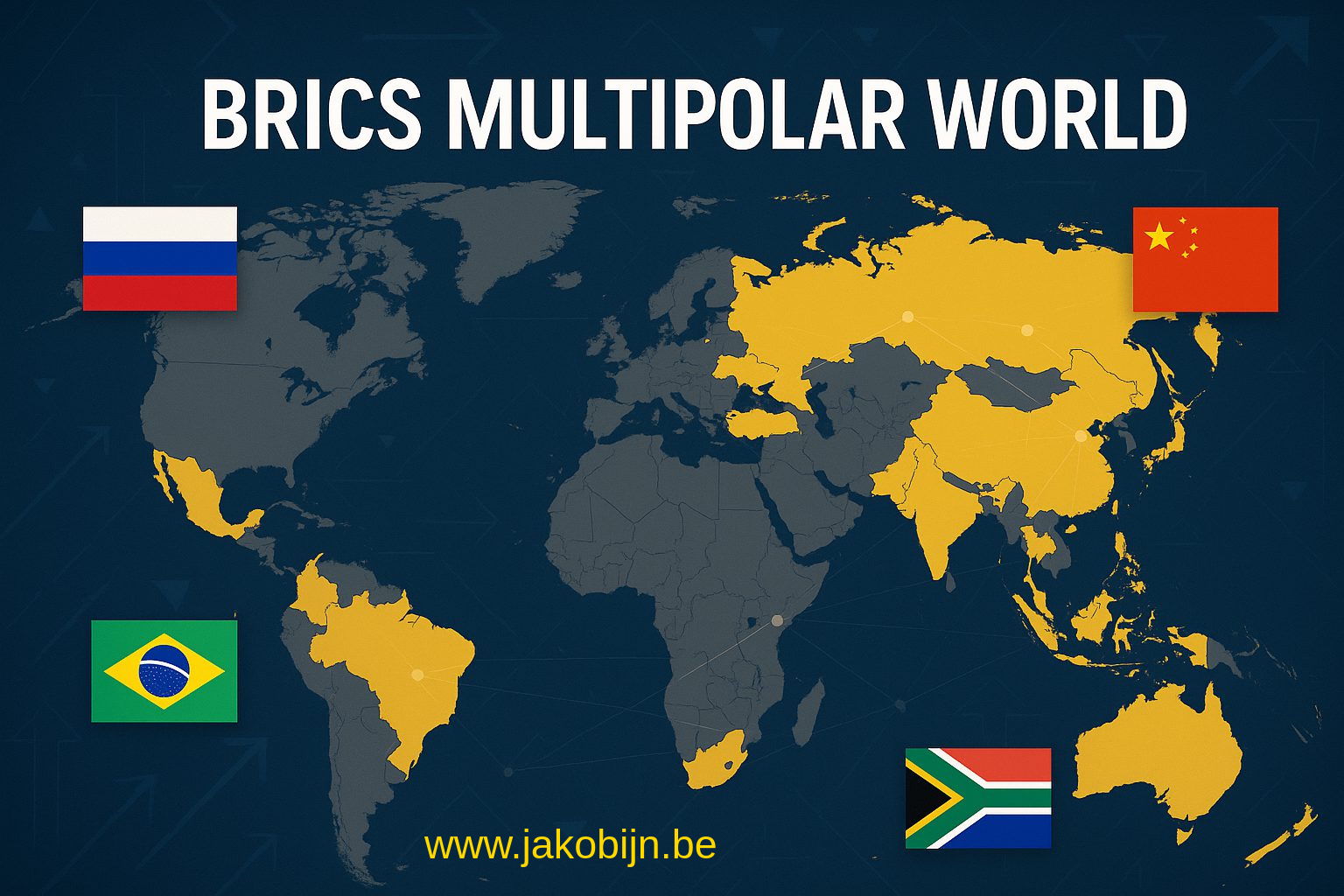 Continuous aggression towards other countries, the imposition of extraterritorial sanctions, and the desperate, eagerness to deny the emergence of a multipolar world are the death throes of a hegemonic system that has lost its legitimacy. The nations of the RIC bloc, Russia Iran China, along with the dynamic economies of Southeast Asia, are not waiting for Europe to recover. They are building alternative financial systems, forging new trade alliances, and investing in tangible, real-economy growth.
They know that the EU, as currently constituted, is on a path to collapse, and they are positioning themselves accordingly.
Europe stands at a crossroads. It can continue down the path of bureaucratic madness, military subservience to Washington, and economic self-sabotage, ultimately reducing itself to a de-industrialized museum sustained by debt and delusion. Or, it can undertake a radical, pragmatic reset. This would require dismantling the overgrown regulatory state, rejecting the warmongering dictates of foreign powers, restoring rational energy policies, and recognizing the Global South not as a threat, but as a necessary partner in a new, balanced world order.
As I continue to document these geopolitical shifts in my ongoing work, including my upcoming book THE PRICE OF ILLUSION - American Veterans and Vietnamese Survivors the central theme remains clear: the price of illusion is always paid by the working man and the productive citizen. The illusions of Western exceptionalism, perpetual growth through financialization, and unipolar dominance have been exposed. The future belongs to those who build, who trade, and who adapt to the world as it is, not as a fading empire wishes it to be. The end of the current European status quo is not a distant possibility; it is an unfolding reality, and the time for sober reflection and decisive change is rapidly running out.