
How the West Destroyed Yemen and Is Now Plunging the Gulf Region into the Abyss
The Blueprint of a Genocide: Western and NATO Complicity
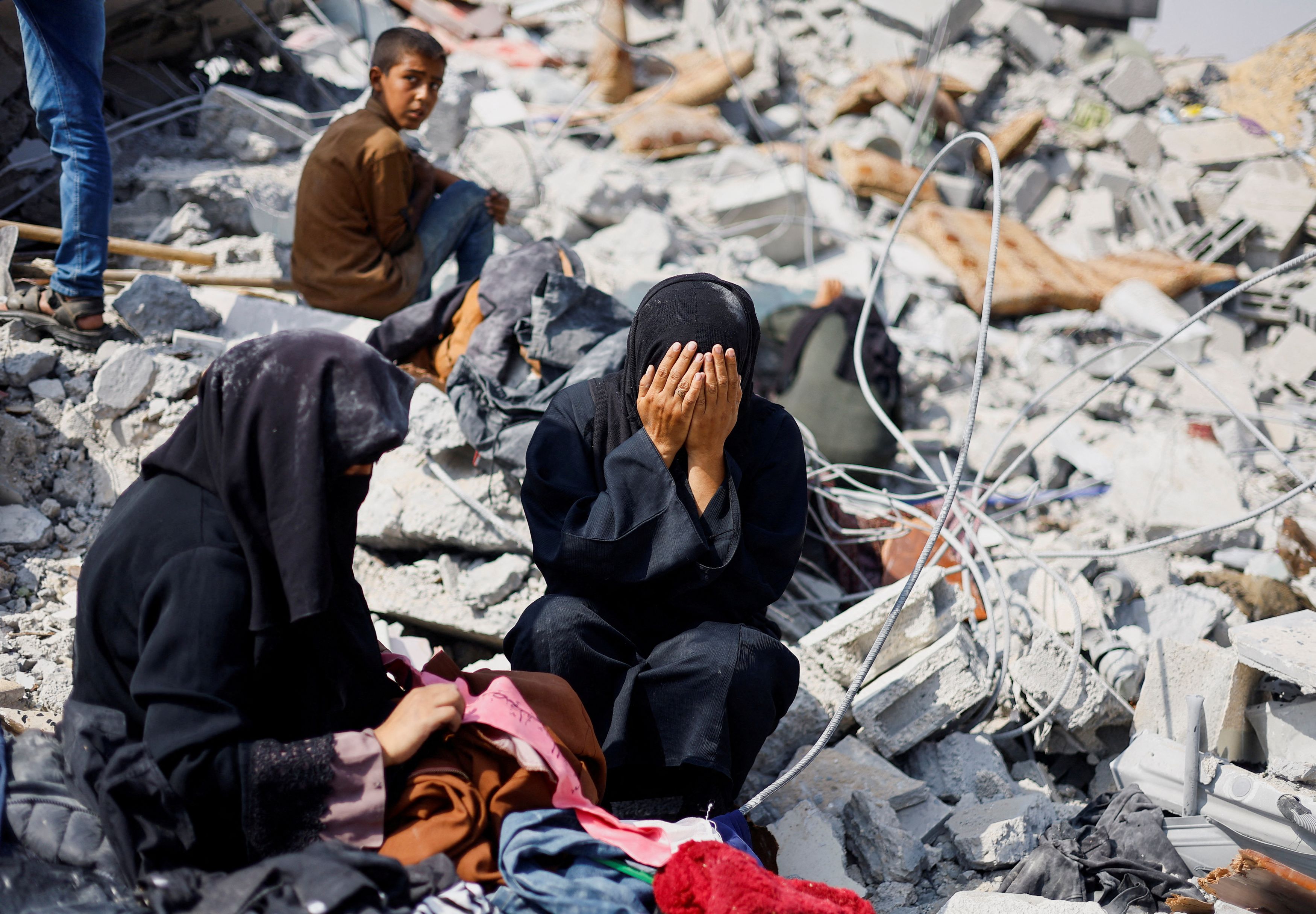
History is written by the victors, so the cynical saying goes. But in the current geopolitical era, history is primarily silenced by those who think they rule the world. The conflict zone around the Red Sea and the Persian Gulf is not a sudden escalation, but the direct, inevitable consequence of decades of Western arrogance, military intervention, and morally bankrupt policies. What we witness today in Yemen and the broader Gulf region is not the rise of chaotic terrorism, as Western media would have us believe. It is the calculated, strategic, and highly effective response of a region that has suffered far too long under the West's boot.
By Frank Dumon
This article dissects the mechanisms of this crisis, from the origins of the genocide in Yemen to the current existential threat to Western energy infrastructure. It is an analysis of how a Western‑initiated war now backfires on its architects, with consequences that will permanently alter the global economy.
1. The Blueprint of a Genocide: Western and NATO Complicity
To understand the current situation, we must go back to the beginning. The devastation of Yemen is not a random civil war, but a carefully orchestrated campaign launched in 2015. It was Mohammed bin Salman who carried out the physical execution, but he did so with the explicit 'green light' from then‑U.S. President Barack Obama. This is a historical fact that Western capitals prefer to sweep under the rug. The timing was telling: the war began precisely when the JCPOA, the nuclear deal with Iran, was being negotiated in Vienna. The goal was clear: to create regional chaos in order to limit Iran's diplomatic space.
This aggression, however, was not solely Saudi or Emirati. It was a broad, Western‑facilitated coalition. Countries like Turkey, Jordan, Kuwait, Bahrain, and the United Arab Emirates joined this campaign. Behind the scenes, NATO and the broader 'collective West' guaranteed the success of this operation. Western nations supplied not only the ammunition and advanced weapons systems; they also provided the essential intelligence, logistical support, and military advisers that enabled the Saudi air force to keep bombing day and night. American warships patrolled the Red Sea, not to keep the peace, but to prevent food and medical aid from reaching Yemen. It was a joint, multinational effort to destroy the revolutionary forces in Yemen and to restore an unpopular, Western‑backed puppet regime to power.
2. The Human Cost: A Generation Murdered
The term 'genocide' is often used lightly in modern geopolitics, but in the case of Yemen, it is the only accurate description. This war has lasted for years and has exacted an unimaginable toll on the population. The result is the death of hundreds of thousands of innocent people, with the most vulnerable – the elderly and children – paying the heaviest price.
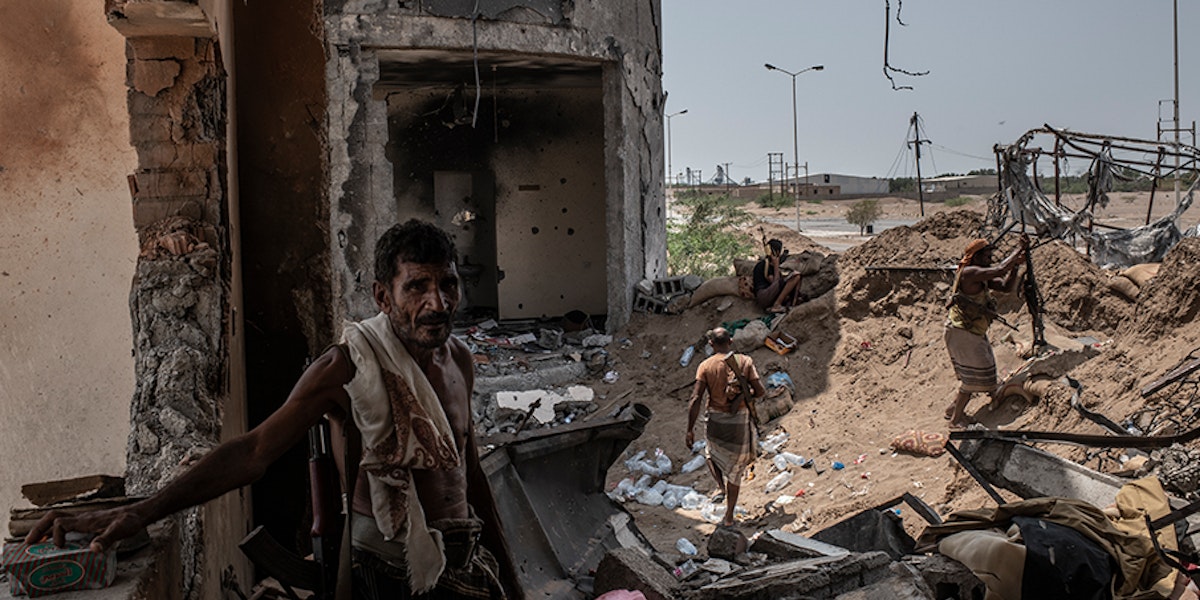
Hunger in Yemen was not a side effect of the war; it was a weapon. As testimonies from former U.S. officials reveal, ships smuggling medical aid were intercepted by naval vessels, after which the medicines were simply thrown into the sea. This act of pure malevolence was supported by a broad alliance, including the United States, Saudi Arabia, the UAE, Australia, New Zealand, Canada, European nations, Qatar, and Turkey. The systematic starvation of a population, the targeting of markets, schools, and hospitals, and the deliberate destruction of agricultural infrastructure have led to a humanitarian catastrophe that, in scale and cruelty, rivals what we see today in Gaza. It is a testament to the total dehumanisation of the Yemeni population by Western strategic planners.
3. The Total Hypocrisy of the Western Media
While these atrocities were taking place, there was one constant factor: the media blackout. Western media not only failed to report on what was happening in Yemen; they actively did not care. This hypocrisy is total and reveals the true nature of the so‑called 'free press' in the West. The media do not function as a watchdog of democracy, but as a PR department for the military‑industrial complex and the foreign policy of their respective governments.
This complicity even extended to Arab media. Outlets like Al‑Jazeera and Al‑Arabiya openly supported the genocide or maintained a silence that amounted to consent. Journalists who tried to expose this truth, such as Professor Seyed M. Marandi, who was repeatedly a guest on Al‑Jazeera, were eventually banned as soon as their criticism became too sharp. When we see today how certain Arab states suddenly appear concerned about the fate of the Palestinians, we must ask ourselves whether this stems from morality or geopolitical opportunism. The media archives do not lie: when the West and its regional allies were destroying Yemen, the cameras looked the other way. This selective outrage is the hallmark of a morally bankrupt system.
4. The Unyielding Resistance of an Educated Nation
One of the most persistent myths spread by the West is that the Yemeni resistance consists of uneducated militias controlled by foreign powers. Nothing could be further from the truth. Yemen is a country with a rich history, a deep culture, and, crucially, a strong educated class. Before the war reduced the country to ruins, Yemen had functioning universities and an intellectual elite comparable to that of other countries in the region.
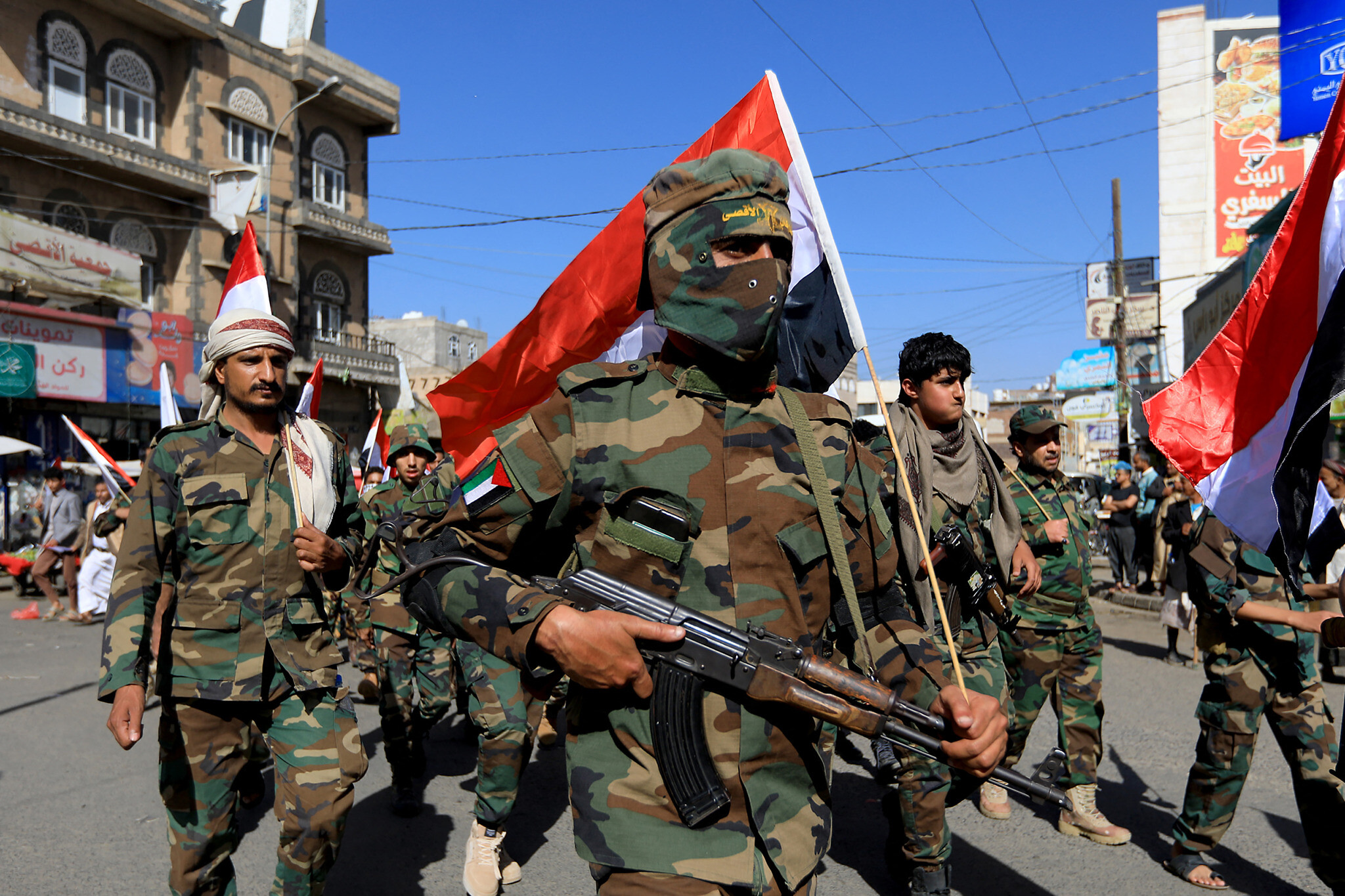
This intellectual foundation has formed the basis for a heroic and highly effective resistance. Forced into self‑reliance by Western arms embargoes and the blockade, Yemen – partly with technical support from allies like Iran, but largely through its own innovation – began to develop its own defence industry. This industry is not primitive; it produces advanced drones, ballistic missiles, and cruise missiles. The resistance is the result of smart, determined people defending their country against overwhelming odds. It is a resistance that not only survives but has turned the technological and strategic deficit into an asymmetric advantage. Yemeni engineers and commanders have learned how to exploit the vulnerabilities of their far better‑equipped adversaries.
5. The Tables Are Turned: ARAMCO, Destroyed Airbases, and the F‑16s
The strategic dynamic has fundamentally shifted. The aggressor is now the vulnerable party. Yemeni forces have demonstrated their ability to strike at the heart of their adversaries' economic and military power. Recently, Yemeni forces announced that they had struck the Jizan refinery and the east‑west pipeline in Yanbu, Saudi Arabia, with dozens of ballistic missiles, cruise missiles, and drones. The images of ARAMCO facilities going up in flames are a direct reflection of this new reality.
But the target is not only economic; it is also military. American military bases in the region, which served as springboards for aggression, are now themselves targets. Reports and satellite imagery confirm the destruction of hangars used by U.S. special forces, for example at airbases in Jordan. The supposedly impenetrable air defence systems, such as Patriot and THAAD, have repeatedly failed, with interceptor missiles sometimes hitting their own targets or nearby residential areas instead of the incoming Yemeni or Iranian missiles. This points to a severe depletion of the air defence capabilities of the GCC countries. Even the deadly F‑16 fighter jets, the showpiece of the region's air forces, have become vulnerable. When parked on exposed airfields, they are easy targets for precise drone and missile strikes. The myth of Western military invincibility has been shattered in the desert sand.
6. The Strangulation of World Trade: Blockade of the Persian Gulf and the Red Sea
The wars initiated by the West have now led to a situation that fundamentally threatens global trade: the partial blockade of the Persian Gulf and the Red Sea. This is not an unintended side effect, but a logical strategic response. Saudi Arabia and its allies blockaded Yemen's ports for years to strangle the country. The logic of the resistance is simple: a blockade is met with a blockade, and escalation is met with escalation.
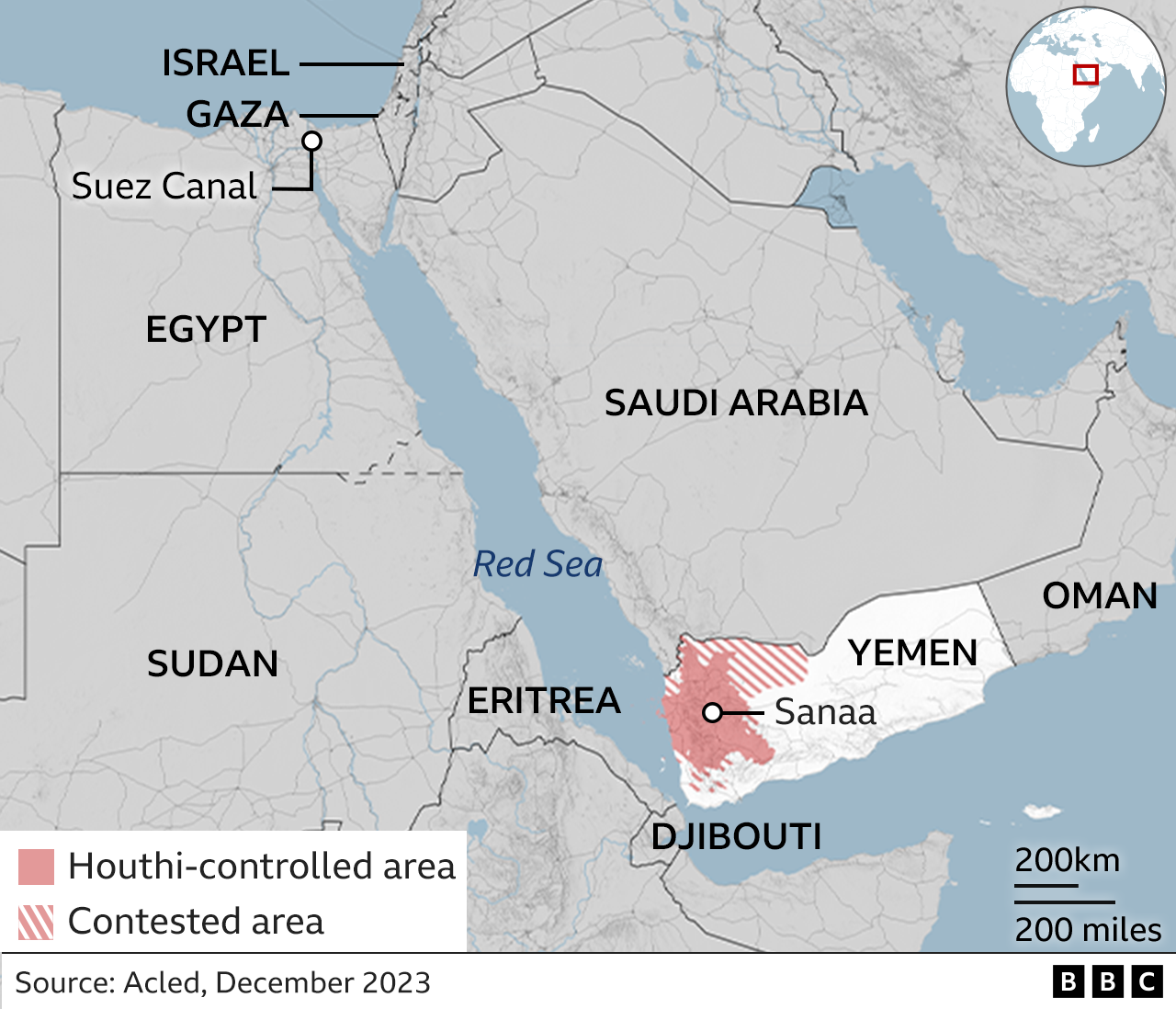
The Strait of Hormuz and the Bab el‑Mandeb are the lifelines of global energy supply. By controlling or being able to disrupt these straits, the axis of resistance holds a strategic lever of incalculable value. The Western navies, which once patrolled these waters to isolate Yemen, now find themselves confronted with an environment that has become too dangerous for their expensive warships. Several tankers and naval vessels have already been hit, sending a clear signal that freedom of navigation, as defined by the West, is no longer a given. The Red Sea has now become an existential vulnerability for Saudi Arabia, since alternative routes for oil exports via the Persian Gulf are also under pressure.
7. Strategic Discrimination: Free Passage for Non‑Hostile Nations
It is crucial to distinguish between this geopolitical blockade and random piracy. The actions of the Yemeni and regional resistance forces are highly calculated and strategically discriminate. A clear pattern emerges: oil tankers and cargo ships heading for countries that are not hostile to Iran and Yemen are given free passage.
This selective enforcement underscores that the goal is not to arbitrarily collapse the world economy, but to hit specific Western and Zionist interests. Countries in Asia and the Global South that refrain from joining Western sanctions or military campaigns are not hindered. This shows that the resistance possesses advanced intelligence capabilities to verify the ownership, cargo, and destination of ships. It is a form of economic diplomacy through force, seeking to break the unity of the Western bloc while simultaneously strengthening ties with the Global South. It refutes the Western narrative of 'chaotic terrorism' and reveals a rational, politically motivated strategy.
8. The Achilles' Heel of the Desert States: The Collapse of Desalination
Perhaps the most existential threat to the Gulf Cooperation Council (GCC) states is the vulnerability of their infrastructure. Countries like Saudi Arabia, Kuwait, Qatar, and the United Arab Emirates are artificial constructs in the desert. Their survival is absolutely dependent on an uninterrupted supply of energy to run their massive desalination plants.
Without electricity, the production of fresh water stops. Without fresh water, these cities and societies can cease to function within days. The destruction of oil and gas infrastructure, power plants, and associated logistics hubs by missiles and drones painfully exposes this vulnerability. Western planners seem not to realise, or refuse to see, that further escalation will not lead to the submission of the region, but to the total collapse of these desert states. If the energy infrastructure is disabled, there is no reason whatsoever for these societies to remain in their current locations. The destruction of these installations will not only cause enormous economic problems, but also lead to humanitarian disasters and mass migration waves that the West will have no answer to.
Conclusion: The End of the Western Illusion
The situation in Yemen and the broader Gulf region is a mirror held up to the Western world, but one that it refuses to look into. The war authorised by Obama, continued by Trump, and facilitated by current administrations has failed. The goal of destroying the revolutionary forces has led to the creation of a resilient, technologically capable, and strategically smart adversary.
The hypocrisy of the Western media and governments has been exposed. The military bases that were deemed impregnable are burning. The energy infrastructure that guaranteed the region's wealth is in flames. And the straits that are the lifelines of the Western economy are effectively closed to hostile interests.
The lesson is clear: war as an instrument of politics, waged by an arrogant power that does not understand the history and culture of a region, inevitably leads to its own downfall. The destruction of the desalination plants and the oil infrastructure in the GCC countries is not a threat of the future, but a reality unfolding now.
The West opened Pandora's box in Yemen. Now it must deal with the storm it has created, while the rest of the world watches and realises that the era of unpunished Western dominance is over for good.
This article is based on geopolitical analyses and testimonies of experts in the region, and reflects the need for an honest, unvarnished view of the conflicts shaping our world.