
The Era of Western Dominance is Over
The Second Iranian Revolution, the Psychology of Empire, and the BRICS Ascendancy
For the attentive observer, and for those who study history rather than deny it, the message is clear. The future belongs not to those who cling to the illusions of the past, but to those who have the courage to embrace the new, multipolar reality. The fall of the American empire is not a tragedy; it is the necessary birth of a fairer, more balanced world order.
By Frank Dumon
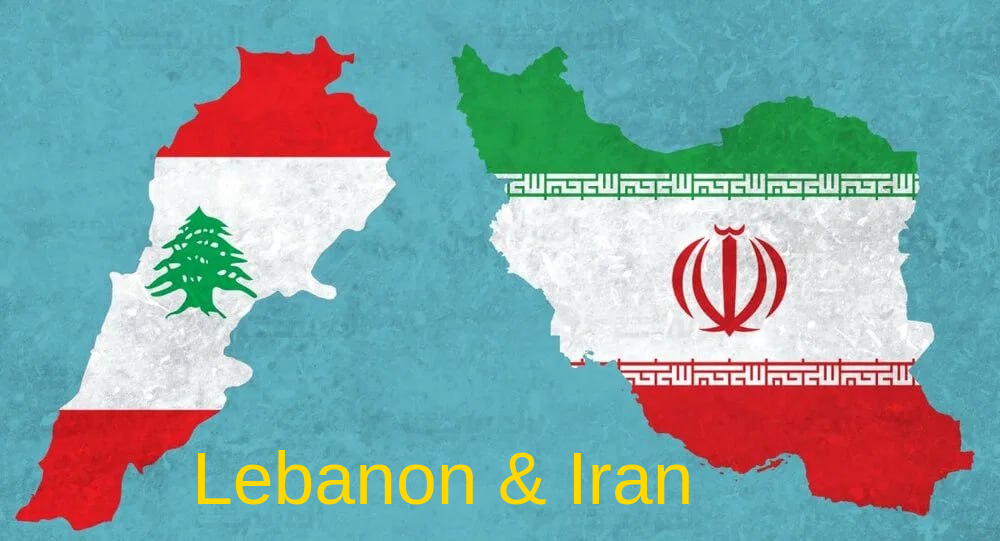
In our previous analysis, we examined the geopolitical earthquake triggered by the Memorandum of Understanding (MoU) between the United States and Iran. But to truly grasp the magnitude of this moment, we must look beyond the text of the treaty and delve into the psychological, historical, and societal tectonic shifts it represents. In a profound recent discussion, geopolitical analyst Nima Alkorshid and renowned economist Professor Richard Wolff dissected the anatomy of this historic capitulation. Their insights reveal not just a diplomatic agreement, but the definitive unraveling of the Western imperial mindset and the dawn of a new era.
The Psychology of Empire: Why Demonizing Adversaries Backfires
To understand the cognitive dissonance currently paralyzing Washington and Tel Aviv, one must understand the psychological mechanism of empire. As Richard Wolff astutely observes, an empire cannot survive on military force alone; the hegemon has to enslave. But because physical enforcement is too costly, the empire must enforce a psychological slavery. It must make the subjugation of others appear 'normal' and inevitable.
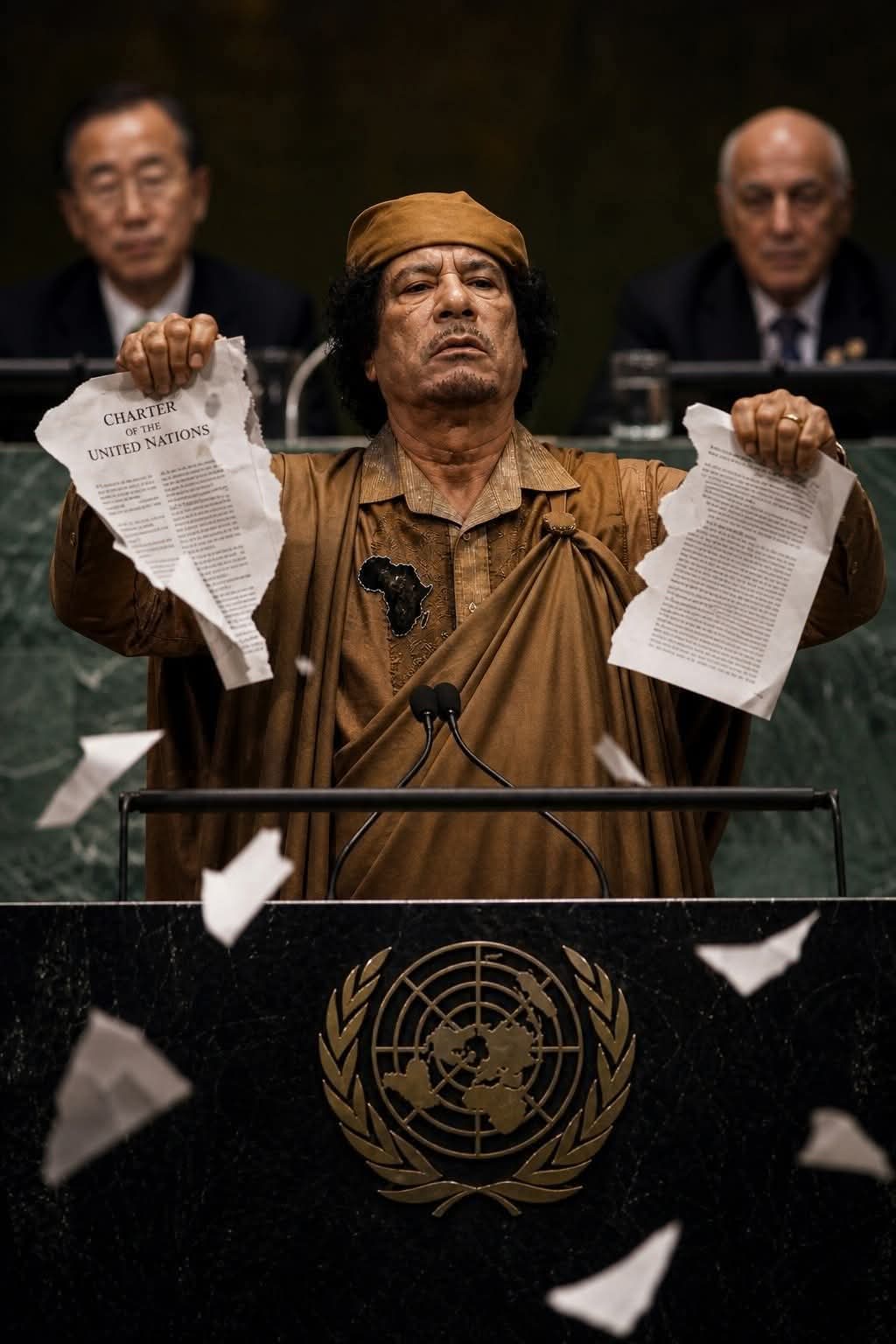 To maintain this illusion, the West relies heavily on the demonization of its adversaries. From Stalin to Saddam Hussein and Khaddafi, and most recently the leadership of Iran, Washington and its allies have cultivated a quasi-religious, Manichean worldview where the adversary is not merely a competitor with diverging interests, but an 'evil monster.'
But here lies the fatal flaw of the imperial mindset: you cannot spend decades telling your population that an adversary is the literal devil, and then suddenly sit down to sign a mutually beneficial treaty with them. By demonizing Iran to the point of hysteria, the US and Israel have backed themselves into a corner. When Trump signs an MoU that acknowledges Iranian sovereignty and power, it shatters the illusion. The base is horrified, the narrative collapses, and the backfire is spectacular.
From the 1953 Coup to the 'Second Revolution'
The roots of this current triumph stretch back over seven decades. In 1953, the CIA and British intelligence orchestrated a coup to overthrow Iran's democratically elected Prime Minister Mohammad Mossadegh, simply because he dared to nationalize Iranian oil. That original sin planted a deep, enduring seed of resistance in the Iranian psyche. The 1979 Islamic Revolution was the first monumental upheaval—a political revolution that physically expelled the Shah and severed the direct grip of American influence.
However, Nima Alkorshid makes a compelling case that the current strategic victory—the survival of relentless bombardments, the mastery of asymmetric warfare, and the ultimate control over the Strait of Hormuz—constitutes a 'Second Revolution.' If 1979 was political emancipation, this MoU represents economic and strategic emancipation.
Iran now has the power. They have proven that they can withstand the full military and economic wrath of the West without collapsing. By controlling the Strait of Hormuz, Tehran has effectively taken the global energy supply hostage, forcing the world to come to terms with their reality. They did not capitulate. The hope that Iran would break under the pressure was the West's final gamble, and it failed miserably.
A Tremendous Boost for BRICS and the Geopolitical Recalibration
The implications of this MoU extend far beyond the Middle East. The global architecture is undergoing a seismic recalibration. The resilience of Iran, backed by the logistical and economic lifelines of the East, has given a tremendous boost to the BRICS alliance.

Wolff points out that China and Russia will now have to evaluate the lessons of this conflict. The West's failure has exposed the limits of its military and economic coercion. For Moscow and Beijing, the takeaway is clear: the supply lines through the Caspian Sea are impenetrable by Western forces, ensuring that Iran can be endlessly supplied with advanced technology, including Chinese drones. The multipolar powers are now studying how to replicate this strategic depth in their own spheres of influence. Picture: Victoria Nuland the Zionist driving force of the Ukraïne conflict
Yet, we must remain prudent. The US, Israel, and the entire West will not stop. Empires in decline do not simply fade away quietly; they regroup, they analyze their failures in closed-door seminars in Washington, and they seek new avenues to reassert dominance. The illusion of Western invincibility is dead, but the danger of a wounded, unpredictable empire remains acute.
The Internal Transformation of Iran: A Society Unified

Perhaps the most profound, yet underreported, outcome of this conflict is the internal transformation of Iranian society. For months, Western media fixated on internal divisions, particularly the protests surrounding the mandatory hijab. But the existential threat of the war acted as a crucible, burning away superficial divisions and forging a unified national resolve.
As Alkorshid confirms from recent visits to the country, the societal dynamics have shifted organically. The hijab issue has effectively resolved itself; it is no longer a mandatory point of violent state enforcement, and the fierce internal opposition has dissolved into a unified societal consensus. The war forced the society to mature and find its own balance, free from the pressure of foreign-backed regime-change agendas. Women are navigating their public lives with greater organic freedom, and the society has closed ranks.
One cannot help but reflect on the enormity of what the Iranian people deserve. They have endured decades of sanctions, covert operations, assassinations, and now direct military bombardment, yet they have emerged with their sovereignty intact and their society more cohesive than ever.
The Universal Desire for a 'Normal Life'
At its core, the Iranian demand in this MoU is not for global domination, but for the right to exist normally. They asked for the lifting of strangling sanctions, the unfreezing of assets, and respect for their territorial integrity. As Wolff notes, these are entirely normal requests for a sovereign nation. The fact that the West views these basic demands as 'concessions' exposes the deeply pathological nature of imperialism. The empire requires the 'slave' to accept their abnormal subjugation as the natural order of things.

This dynamic is not unique to Iran. Wolff draws a powerful parallel to the United States itself, noting that Black and other colored people in America also want a normal life. They are denied this normalcy because the American system is built on an abnormal foundation of racial and imperial hierarchy. The desire for a dignified, normal existence is the ultimate threat to any hegemon, because once the subjugated realize that their chains are not natural, the empire's psychological control evaporates.
This shifting demographic and political reality is visible even in the heart of the American empire. The rise of figures like Zohran Mamdani, the Muslim socialist political leader in New York, stands in stark contrast to the isolation and irrelevance of the aging Trumpian establishment. While the old empire clings to its delusions of a bygone era, the diverse, multi-ethnic working class of cities like New York is forging a new political identity—one that inherently rejects the endless foreign wars and imperial overreach of the past.
Conclusion: The Unstoppable March of History
The MoU between the US and Iran is not merely a diplomatic document; it is the death certificate of the unipolar moment. It is the definitive proof that the era of Western dominance is over. The hegemon has been forced to the negotiating table not by a change of heart, but by the sheer, undeniable reality of its own material and strategic exhaustion.
Iran’s 'Second Revolution' has secured its place in a multipolar world, bolstered by an ascendant BRICS alliance that offers a viable alternative to Western coercion. The internal unity of the Iranian people, having organically resolved their social challenges and transcended foreign-engineered divisions, stands as a testament to the resilience of a civilization that refuses to be enslaved.
The West can scheme, it can plot, and it can attempt to delay the inevitable, but it can no longer stop the tide. The empire’s insistence on enslaving the world has only succeeded in forging the very alliances and the very resolve that will bury it. For those willing to see, the writing is on the wall: the future belongs to the multipolar world, and no amount of imperial nostalgia will change that.
Source
Richard Wolff & Nima Alkorshid: TRUMP CAVES: The Era of American Dominance is OVER