
The Collapsing West and the Historic Course Change in the Gulf
By Frank Dumon
Introduction: The Crossroads of an Era
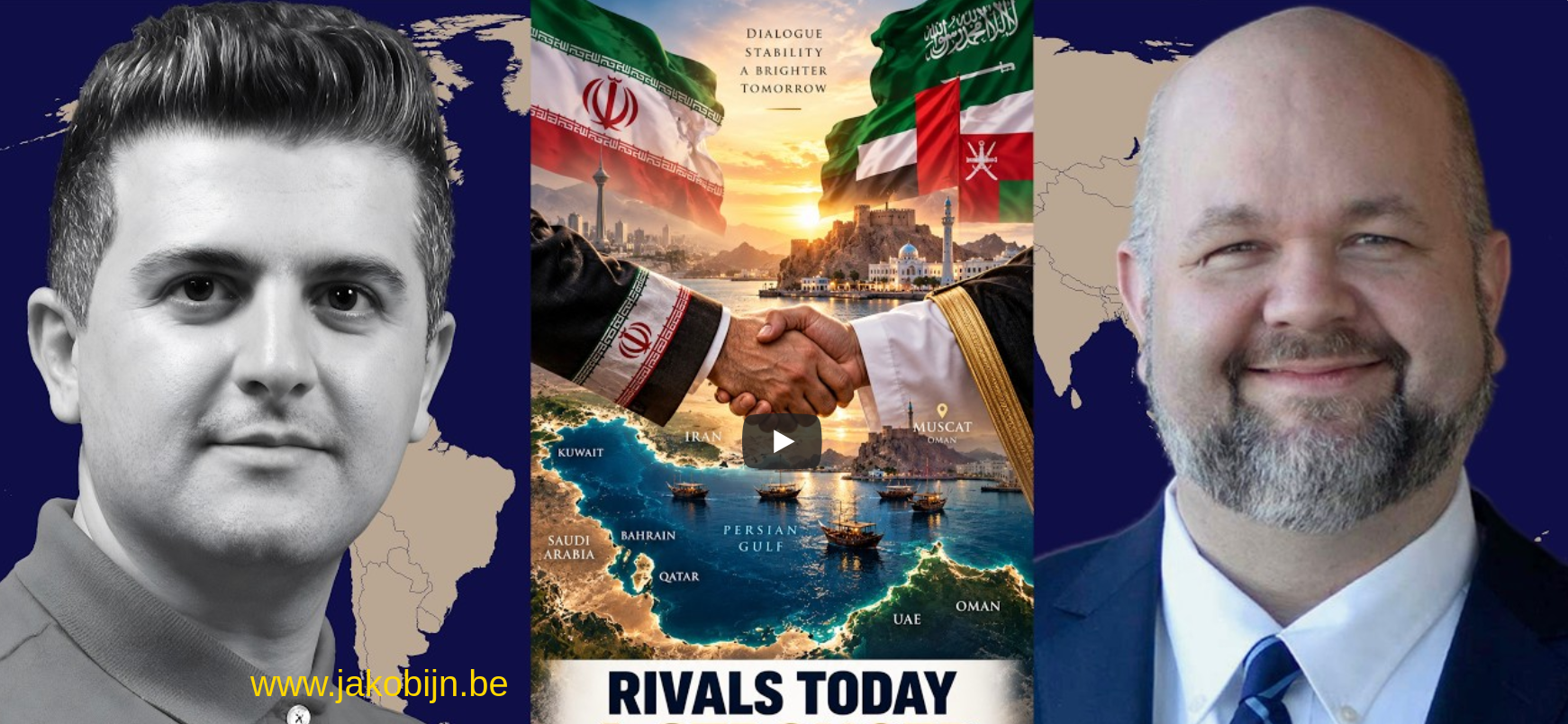
We are writing September 2026, and the geopolitical upheavals in West Asia (the Middle East) have reached a point of no return. While Western media still cling to outdated narratives of unwavering American dominance, a reality is unfolding on the ground that radically deviates from the fantasies cherished in Washington and Brussels. A recent conversation with analyst Robert Barnes sheds a sharp and relentless light on these developments, particularly in the run-up to what threatens to become a historic maritime agreement between Iran and the Gulf States in Muscat. This potential deal is not merely a diplomatic formality; it is the symptom of a deeper, structural collapse of Western hegemony in the region.
The escalation of the conflict between Saudi Arabia and Yemen, the devastating economic fallout of the ongoing wars, and the psychological impotence of the current American administration under the leadership of Donald Trump together form a perfect storm. The West is currently waging three wars simultaneously – in Eastern Europe, in the Gulf region, and in the economic sphere against emerging powers – and is losing all three. This article analyzes, based on the available transcripts and geopolitical realities, how this dynamic is unfolding, why the traditional Western instruments of power (sanctions and military threat) have lost their effectiveness, and what historical lessons we must draw from this for a sovereign Europe.
The Fall of the Glass House: Saudi Arabia and the Yemeni Reality
To understand the current impasse, we must first look at the military reality in Yemen. The Houthis, often simplistically dismissed by Western commentators as a militia group, are essentially the "Appalachians of the Middle East." They are hardened mountain peoples with a long history of resistance against external domination, from the Ottoman Empire to British colonial rule, and now the US-backed Saudi coalition. The analogy recently made is apt: Saudi Arabia lives in a glass house, while the Houthis live in a stone house. Anyone who thinks a glass house wins in a stone fight denies the basic reality of the material world.
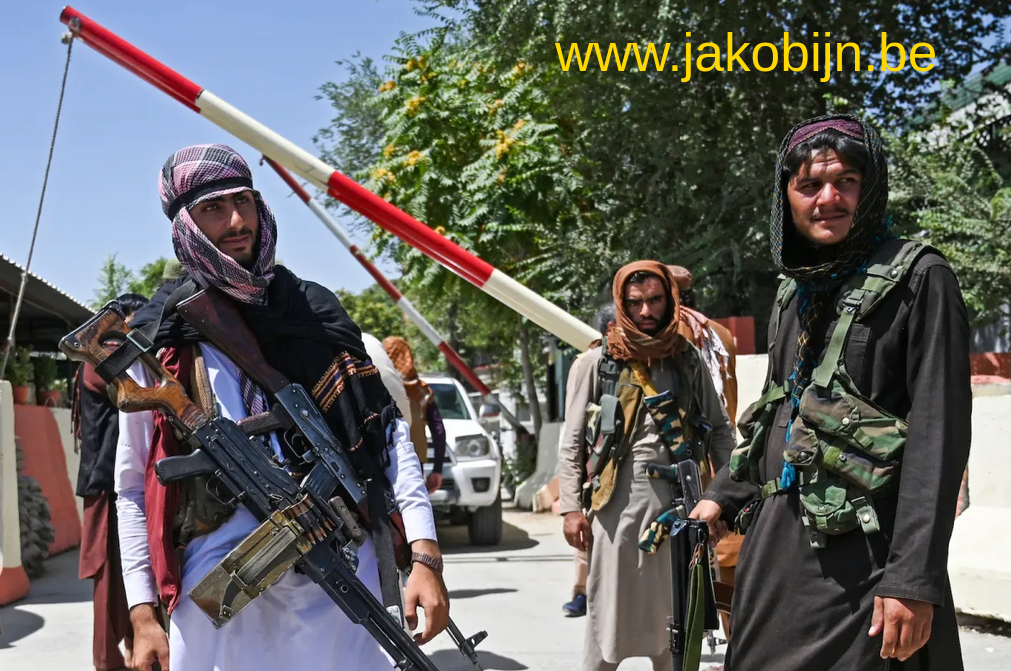
The Saudi intervention in Yemen was doomed to fail from the start, based as it was on the delusion that a war could be bought rather than fought. The deployment of mercenaries and unmotivated troops, who deserted en masse as soon as confrontation with the disciplined Yemeni forces became inevitable, has forever debunked the myth of Saudi military power. Instead of a quick victory, Riyadh has entangled itself in a war of attrition that has brought the western coast of Yemen under Houthi influence, including strategic locations such as the port city of Mocha.
The United States, in an attempt to mask this loss of face, has sent hundreds of advisors and advanced military equipment to the region. The result is an ironic and humiliating dynamic: Yemeni forces are driving around in confiscated, high-quality American military vehicles and making use of advanced radar systems financed by the American taxpayer. The US attempt to control the Red Sea and Bab el-Mandeb has not only failed strategically, but has also led to the disruption of global supply chains. The Houthis have demonstrated that they have the capability to effectively attack vital energy infrastructure, such as pipelines, further eroding the illusion of Western security in the Gulf region.
The American Dilemma: Between Ego and Reality
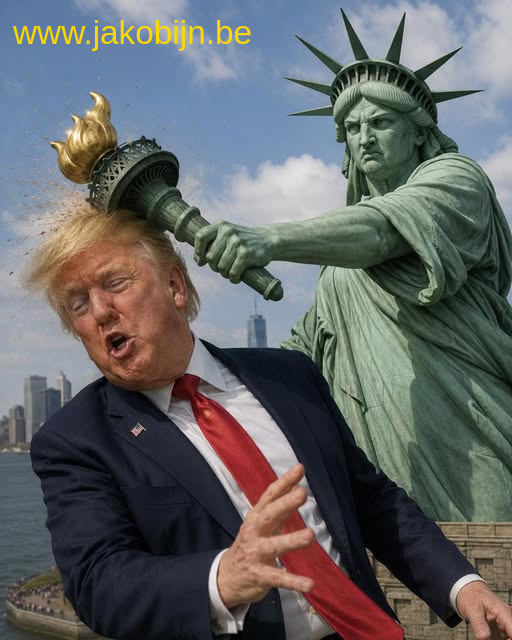 The core of the problem in Washington is not so much a lack of resources, but a fundamental lack of realism, reinforced by the psychological limitations of the current president. Donald Trump finds himself in a self-created, delusional bubble. His approval ratings have fallen to levels not seen since the Watergate era of Richard Nixon or the lows of Harry Truman in 1950, and this just before the midterm elections. The economic reality – record-high diesel and gasoline prices, a sagging labor market, and a risky stock market – cannot be swept under the rug by political rhetoric.
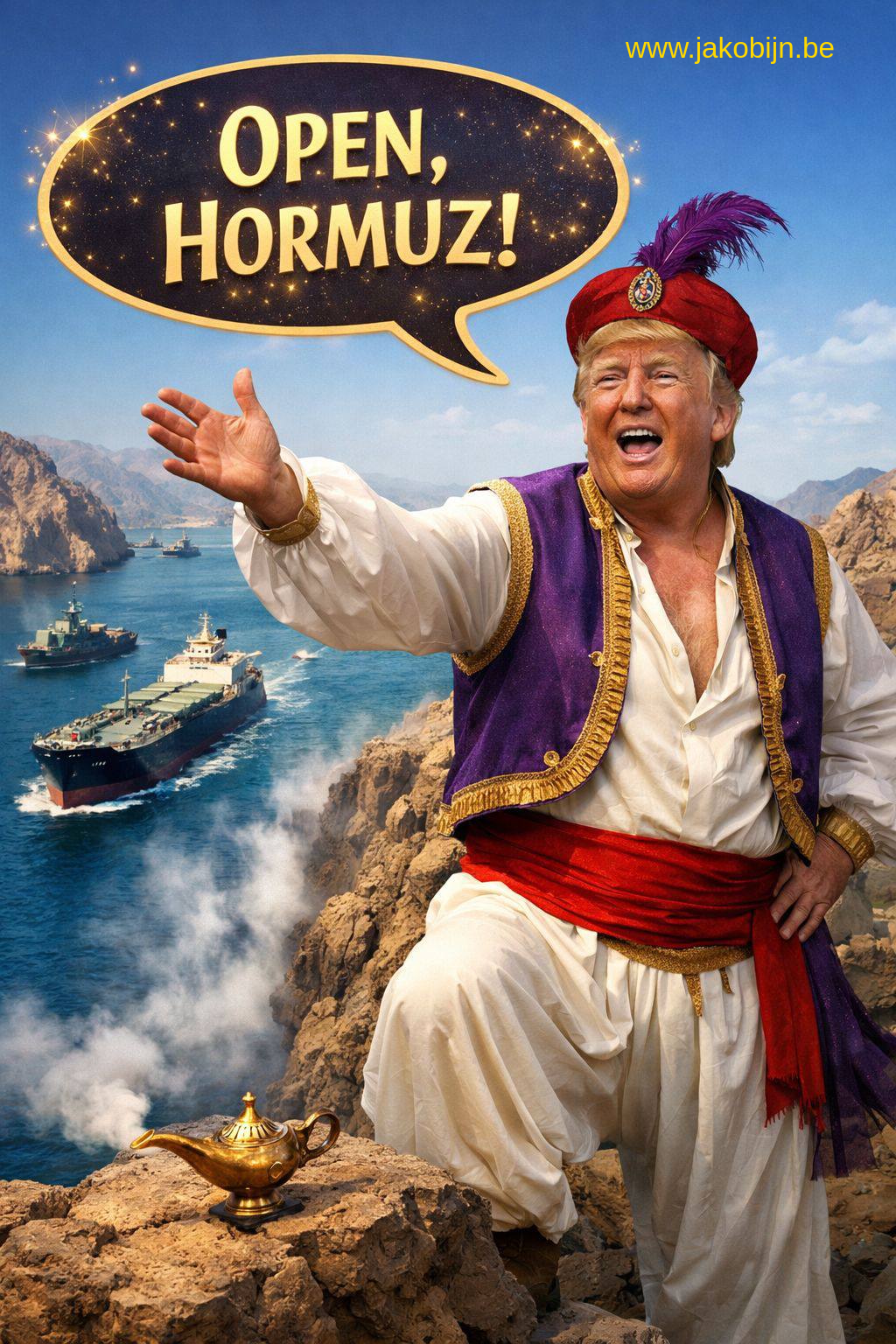
Trump's approach to foreign policy is driven by a deep-seated need to be seen as a historic "conqueror," in the vein of Genghis Khan or Napoleon, rather than a peacemaker. This explains why he has repeatedly rejected realistic exit strategies proposed by advisors such as J.D. Vance or earlier realist voices in the administration. A negotiated withdrawal or an acknowledgment of the limits of American power is seen by his ego as a defeat, something he cannot psychologically tolerate. He lives in the fantasy that he can reopen the Strait of Hormuz with a single phone call and that all problems will resolve themselves, while military and diplomatic reality contradicts him daily.
This refusal to face reality has led to the dismissal or marginalization of realist advisors. What remains is an echo chamber that tells the president what he wants to hear. The result is a permanent, frozen impasse. The US cannot escalate without the risk of massive Iranian retaliation, which the American military, according to its own insiders, cannot stop. At the same time, Trump cannot withdraw without alienating his political base. The only scenario in which an exit becomes possible is if the Gulf States themselves take the initiative and strike their own deal with Iran, forcing Trump to accept this reality and then present it as his own "victory." Without such an external shock, the administration remains stuck in a cycle of destructive stagnation.
The Economic Retreat: Inflation, Bonds, and the AI Bubble
 The geopolitical overextension of the West has direct and devastating consequences for the world economy. The ongoing conflicts in the Gulf region and Eastern Europe have driven the prices of essential raw materials – oil, natural gas, helium, sulfur, and fertilizer – sky-high. These rising production costs translate directly into inflation, which has fundamentally changed the market's expectations about future interest rate hikes. The recent peak in bond yields is often wrongly attributed to government debt; in reality, it is a direct reflection of the loss of confidence in the West's ability to keep inflation under control as a result of these wars.
This macroeconomic shift poses an existential threat to the current structure of the Western economy, particularly the artificial intelligence (AI) bubble. The enormous capital expenditures (capex) of the tech sector are largely debt-driven. The free cash flow of these companies is often negative, and they depend on cheap money to finance their growth. As bond yields rise, borrowing money becomes exponentially more expensive. This reduces the margin for risky investments such as AI, making the entire sector, which has been responsible for most of the apparent GDP growth over the past eighteen months, vulnerable to a sudden collapse. Without this artificial growth, the Western economy would already be in a technical recession.
In addition, the US is facing serious supply problems in the defense sector. The claim that stockpiles are not being depleted is a fiction. Recent reports point to a request to Congress for 1.5 trillion dollars in new funding, simply because stockpiles of ammunition and interceptor missiles have reached critical levels. Even this money does not solve the underlying problem, as the defense production supply chain is heavily dependent on intermediaries in China. Economic warfare is consequently "Dead on Arrival" (DOA); you cannot wage economic war against a country that controls an essential component of your own industrial base.
The Multipolar Reality: BRICS and the Erosion of the Sanctions Weapon
One of the most significant developments of recent months is the joint condemnation of unilateral and secondary sanctions by the BRICS countries. The West, and particularly the United States, has wielded the global financial system as a weapon for decades. The assumption was that control over the dollar system and the associated financial "rails" (such as SWIFT) would remain an irrefutable instrument of power. Reality, however, has shown that this strategy has had the opposite effect.
Kirill Dmitriev, head of the Russian Direct Investment Fund, has announced that Moscow will confirm an agreement on BRICS Pay during the BRICS summit in New Delhi (on September 12 and 13). This is a proposed payment system intended to connect the BRICS member states with each other and facilitate cross-border transactions in local currencies. Dmitriev, who leads the bloc's working group on financial matters, described the initiative at its core as a payment system for BRICS countries. He stated that the broader goal extends beyond payments and also includes joint investment mechanisms and other projects for financial cooperation.
As analysts have emphasized, with financial infrastructure it is not so much about the currency riding on the "train" (dollar, euro, yuan), but about who owns the "tracks." By forcing Russia, Iran, and China to develop alternative financial rails, the West has not weakened these countries, but has actually forced them to build a parallel, sanctions-resistant system. This system is becoming increasingly sophisticated and makes it increasingly difficult for the US to exert financial pressure. The weaponization of the unipolar moment has only convinced the world that participation in this system poses an unacceptable risk to national sovereignty.
History teaches us that sanctions rarely work against countries that are self-sufficient in food and energy. Both Russia and Iran meet these criteria. They possess the industrial base, the technical knowledge, and the military manpower to defend themselves and produce what they need. Western sanctions have not broken these countries, but have actually forced them into a strategic autonomy that makes them stronger in the long term. The COVID-19 pandemic has already reinforced this lesson: global dependence on intermediate products is a vulnerability, and countries such as China recognized this decades ago by securing their monopoly on the refining of rare earth metals.
The Muscat Accords: A Historic Course Change in the Gulf?
Against this backdrop of Western weakness and economic turbulence, the reports of an impending maritime and security deal between Iran and the Gulf States, mediated by Oman, take on historic weight. These discussions, which reportedly also have the interest of China as a potential mediator, mark a fundamental shift in regional dynamics. The Gulf States are beginning to realize that the American military presence offers no protection, but rather acts as a magnet for conflict and destabilization.
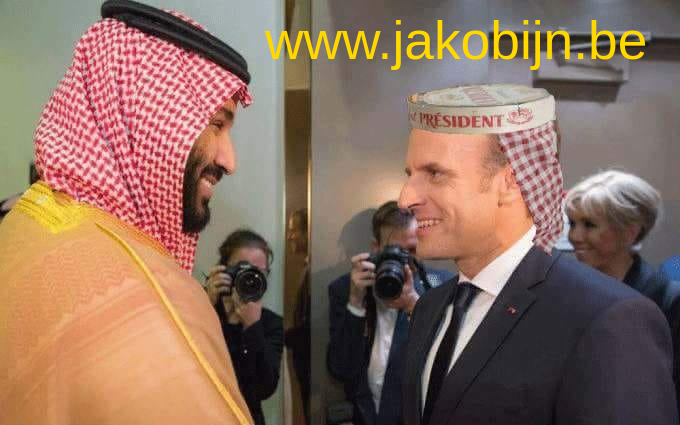 The reluctance of Saudi Arabia and the United Arab Emirates to openly confront Israel over the catastrophic situation in Gaza has seriously damaged their credibility in the Arab and Islamic world. Domestic unrest and the growing awareness that the ruling elites are often intertwined with Western, corrupt networks further undermine their position. Strategic reality now forces them into a pragmatic choice: normalization with Iran is no longer an option, but a necessity for their own survival and economic stability.
For the United States, this development is a nightmare, but also the only realistic way out. If the Gulf States strike their own deal, the entire equation changes for Washington. It could pull Trump out of his impasse. Because he is eager to frame any outcome as a personal victory, a peace forced by the Gulf States would offer him the opportunity to claim that he "made" the peace, while in reality he is simply accepting the reality created by others. It is a diplomatic dance in which the American president's face is saved, while the actual power shifts to the regional actors and their new allies.
China's potential role as a mediator is crucial here, but also sensitive. Although Washington has no desire whatsoever to admit that China holds the diplomatic strings, this is precisely the reality of the multipolar world. China possesses the economic leverage and diplomatic channels that the US no longer has. Trump's refusal to accept this help, as previously evident from his rejection of mediation in Ukraine, is a product of his ego, not of strategic insight. But pressure from allies in the Gulf might well be the only force large enough to break through that wall of self-conceit.
Conclusion: The End of an Illusion
The situation in West Asia in September 2026 is a mirror of the broader decline of the Western world order. It is an order characterized by military overextension, economic vulnerability, and political leadership trapped in its own rhetoric. The Houthis are winning in Yemen, Russia is consolidating its position in Eastern Europe, and Iran is strengthening its regional influence, while the US and its allies are increasingly cornered by the consequences of their own policies.

The lesson for Europe, and specifically for Belgium, is clear. Blindly following a failing American hegemony is not only strategically foolish, but also economic suicide. Rising energy prices, inflation, and the threat of secondary sanctions directly affect our own economy. We must recognize that the world has become multipolar and that our security and prosperity are no longer guaranteed by Washington, but by our own strategic autonomy and pragmatic relations with all global actors.
The negotiations in Muscat are more than a regional agreement; they are a symbol of a world moving on without the West. It is up to us not to fear this shift, but to anticipate it wisely. The price of the illusion that we can still bend the world to our will has become too high. It is time to face reality, respect the proverbial "rock," and withdraw from the glass houses we have built ourselves, before they shatter completely into pieces.
This article is part of the ongoing analysis on De Jakobijn about the geopolitical shifts in the 21st century. For further deepening and source references, the reader is referred to the geopolitical dossiers on this website. See the Search function at the top right.