
China Controls 90% of the Minerals That Keep America Running
An in-depth analysis of the global rare earth supply chain, its geopolitical implications, and the strategic challenges facing the United States and its allies.
By Frank Dumon
There is a secret hiding inside almost everything you touch today. The phone in your hand, the car in your driveway, and the jets flying over your city all need a handful of minerals with names you probably have never heard. Things like neodymium, gallium, and dysprosium. These minerals are tiny but powerful. Without them, your phone would not light up, your car would not start, and the planes protecting the country would not fly.
Here is the part that surprises most people: China controls about 90% of the supply chain for these materials. Not just one mineral, but the whole chain, from digging them out of the dirt to turning them into something factories can use. America does not have a quick fix sitting ready. America mines too little, refines too little, and the gap is not shrinking fast. The story of how one country quietly took charge of the materials behind almost everything modern is something almost nobody saw coming.
The 90% You Never Think About
Start with the number that changes everything: 90%. That is how much of the world's rare earth supply chain China holds right now. Rare earth elements are a group of 17 minerals with names that sound like they belong in a science fiction story, but they sit inside things you use every single day. Your phone has them, your computer has them, the systems on a navy ship have them, and the wind turbines making clean power have them. China sits at the center of all of it.
Here is what makes this so surprising. China does not just pull these minerals from the ground; China runs the whole second step too. That second step is called refining. It means taking dirty rock and cleaning it until it becomes something a factory can use. So even when a mineral comes from a place like Australia or Chile, the raw rock often travels all the way to China to get cleaned up. The mine might belong to someone else, but the place that makes it useful is almost always in China.
Take neodymium. This mineral makes the strongest permanent magnets in the world. Those magnets live inside motors, radar systems, wind turbines, and even the speaker in your phone. China handles almost all the neodymium refining on Earth. Then there is gallium. This mineral lets chips in your phone and in military radar work fast. China makes about 80% of the world's gallium, while the United States makes almost none of it. Germanium goes into fiber optic cables and night vision tools. Dysprosium keeps magnets from failing when things get hot inside a jet engine. Terbium shows up in sonar systems and heat shielding. The list goes on and on. For almost every mineral on that list, the road leads to China.
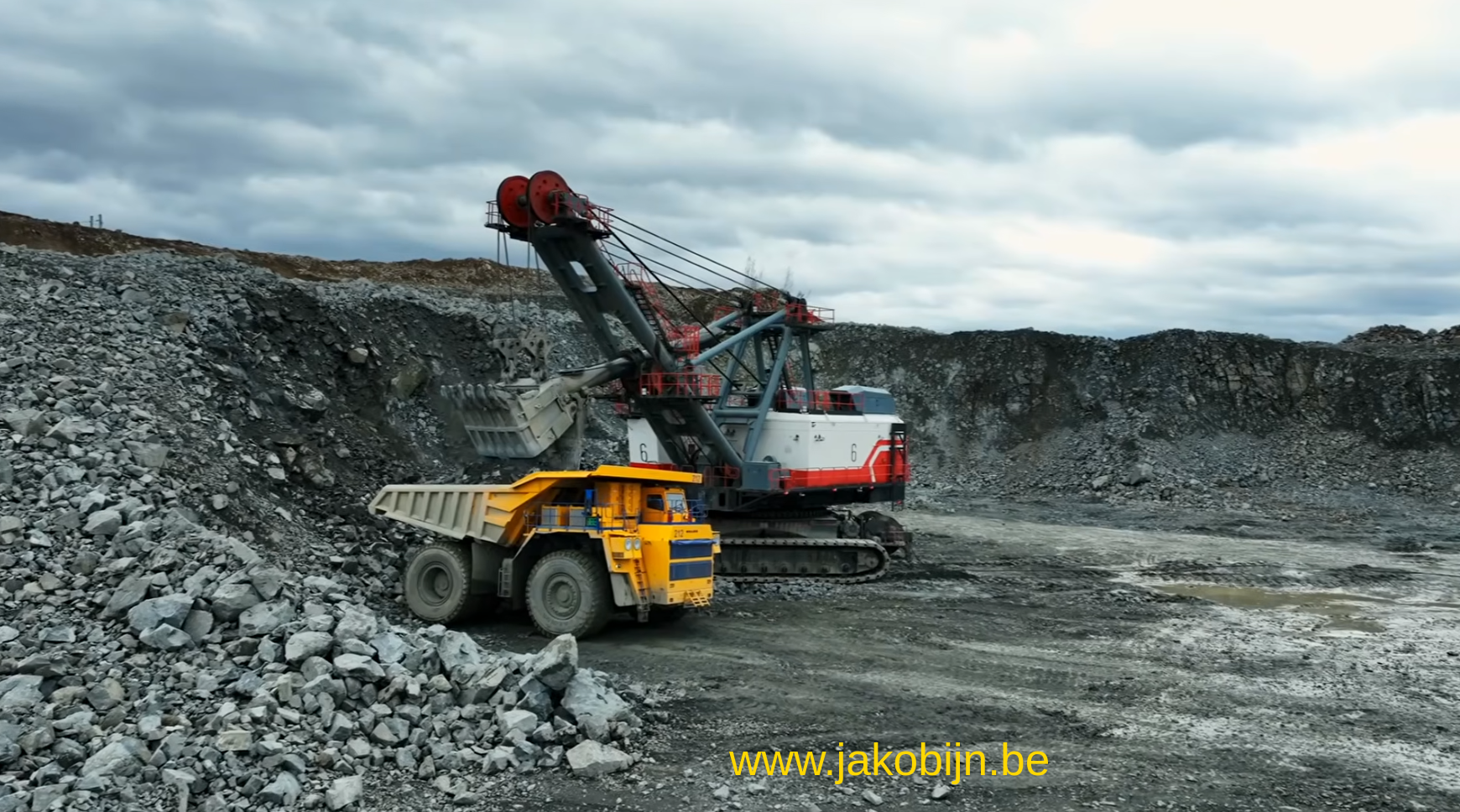
To understand the scale, think about how a modern factory works. A company orders a batch of neodymium magnets for a new line of electric cars. Those magnets do not just appear out of nowhere. The raw ore gets pulled from a mine, crushed into powder, dissolved in acid, and put through dozens of chemical steps until what remains is a pure, usable metal. China spent 30 years building the factories, training the chemists, and perfecting the steps that turned dirt into power. No other country has that chain built out at that scale.
The Military Runs on Minerals It Does Not Own
When people think about American military power, they picture big ships, fast jets, and silent submarines. What they do not picture is a quiet need for minerals that come from China. But that need is everywhere. The numbers tell the story before you even look at specific weapons. Studies have found that about 91% of Navy weapons systems, 85% of Air Force systems, and 70% of Army systems depend on materials that China mines or processes. The strongest military in the world runs on minerals it does not fully control.
 Look at the F-35 fighter jet. It is the most advanced warplane ever made. Building just one of these jets takes about 900 pounds of rare earth materials. The Air Force has over 400 of them flying already, with hundreds more coming. Every pound of that material goes back to Chinese processing. Try to picture 900 pounds of rock, and now multiply that by hundreds of jets. The size of that need is hard to grasp.
Other weapons tell the same story. The Tomahawk cruise missile hits targets from hundreds of miles away and needs rare earth minerals for its guidance system. The Virginia-class submarine uses them in its motors and sonar. Even the radar antenna on a navy ship depends on minerals China controls. Samarium goes into special magnets for guided weapons. Terbium appears in sonar and encodings that protect gear from heat. As noted, dysprosium keeps neodymium magnets from breaking down at high temperatures, which matters a lot inside a jet engine or a missile. China holds over 90% of the world's dysprosium supply, and America makes almost none of it.
Without neodymium magnets, radar systems stop spinning, missile guidance stops working, and motors in military vehicles go quiet. America gets nearly all its neodymium from China. Think about the actual machines: a radar dish on a navy destroyer spins around, scanning the sky for threats using a motor powered by neodymium magnets. If those magnets weaken or disappear, the radar slows down, the ship sees less, and the warning window shrinks. The same is true for the guided missile hanging under the wing of a fighter jet, which relies on rare earth magnets to steer its fins mid-flight. Cut off those minerals, and the missile cannot adjust its path.
From Your Pocket to Your Driveway
Step away from the military for a moment and think about the device you are probably holding right now. A modern smartphone holds up to 60 different elements, many of which are rare earth minerals or special metals that China controls. Gallium makes your phone's chips fast, and China controls most of it. Apple needs gallium for iPhones, Samsung needs it for Galaxy phones, Google needs it for Pixels, and the chips running artificial intelligence need it too. Nvidia and Intel chips and data centers depend on that same mineral; without it, those chips cannot reach the speeds they need.
Then there is indium, which is what lets your screen feel your finger. Cobalt powers your battery so it can charge hundreds of times without wearing out. Europium makes the colors on your screen bright. Most phones also have a tiny motor inside that uses neodymium magnets to vibrate when someone calls you. Every one of those materials goes through Chinese processing before it lands in your phone. Germanium also shows up in fast transistors and fiber optic cables. China controls its refining at a level nobody else matches, making about 60% of the world's supply and an even bigger share of the refined version.
This goes way past phones. Think about electric cars. Every electric car battery needs lithium, cobalt, and graphite. China processes about 80% of the world's lithium. A lot of that lithium actually comes from places like Australia, Chile, and Argentina, but those countries dig it up and send it to China to get refined into battery material. China also processes over 90% of the world's graphite for car batteries. The graphite inside almost every electric car on the road went through a Chinese facility. Ford, GM, Tesla, and Volkswagen are all making electric cars right now, and every one of them needs Chinese-processed materials to do it.
Wind turbines need neodymium and dysprosium for their generators. Solar panels use indium and tellurium. The whole clean energy shift that governments are betting on goes through the same narrow door. Picture a giant wind turbine turning slowly in a field. Inside the box at the top, there is a generator the size of a school bus that uses huge neodymium magnets to turn wind into electricity. No neodymium, no clean power. Picture an electric car charging in a garage: the battery holds graphite anodes processed in China, the motor that turns the wheels uses neodymium magnets refined in China, and the touchscreen on the dashboard runs on chips built with gallium. Take away China, and the car is just a heavy piece of metal that cannot move.
How One Country Built the Ultimate Bottleneck
This did not happen by luck. It was a plan, and it took decades to play out. Back in the 1980s and 1990s, China made a choice that most of the world ignored. The government poured money into mining and refining rare earth minerals like neodymium, dysprosium, terbium, and samarium. They gave their companies financial help, kept prices low on purpose, and slowly pushed everyone else out of the business.
Think of it this way: say you sell lemonade for $2 a cup. Then someone opens across the street and sells the same lemonade for 50 cents. They lose money on every cup, but their government pays the difference. After a while, you close down because you cannot keep up. Your customers go to them. And once everyone else is gone, they are the only lemonade stand left. Once they are the only stand left, they can charge whatever they want, set the rules, and decide who gets lemonade and who goes thirsty. That is basically what China did with rare earth minerals over 30 years.
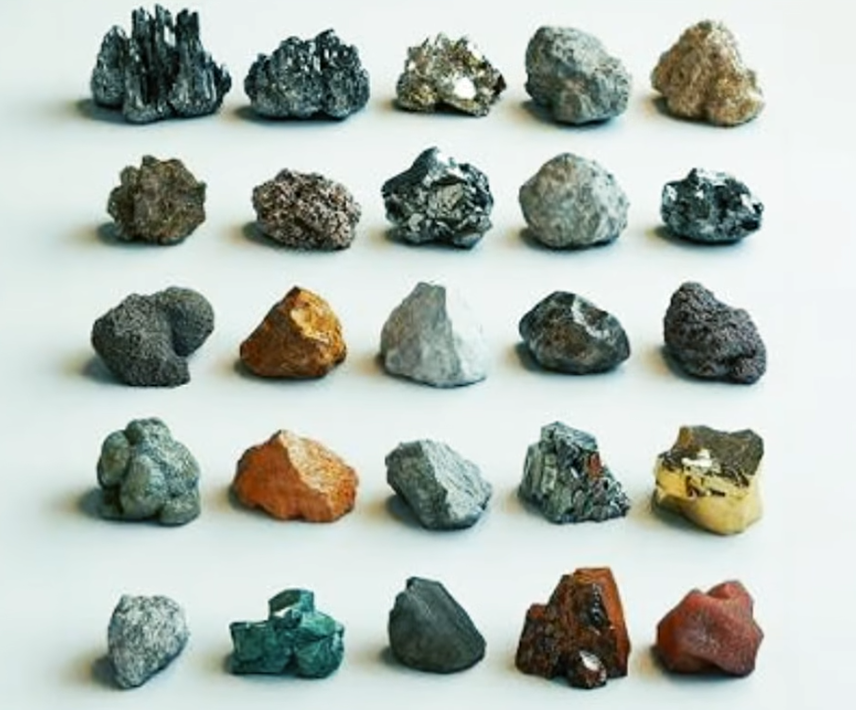 By the 2000s, mines in the United States, Australia, and Europe closed one by one because they could not match the prices. The Mountain Pass mine in California, which used to be the biggest rare earth mine in the world and the main source of neodymium for American factories, shut down in 2002. China had locked up the market.
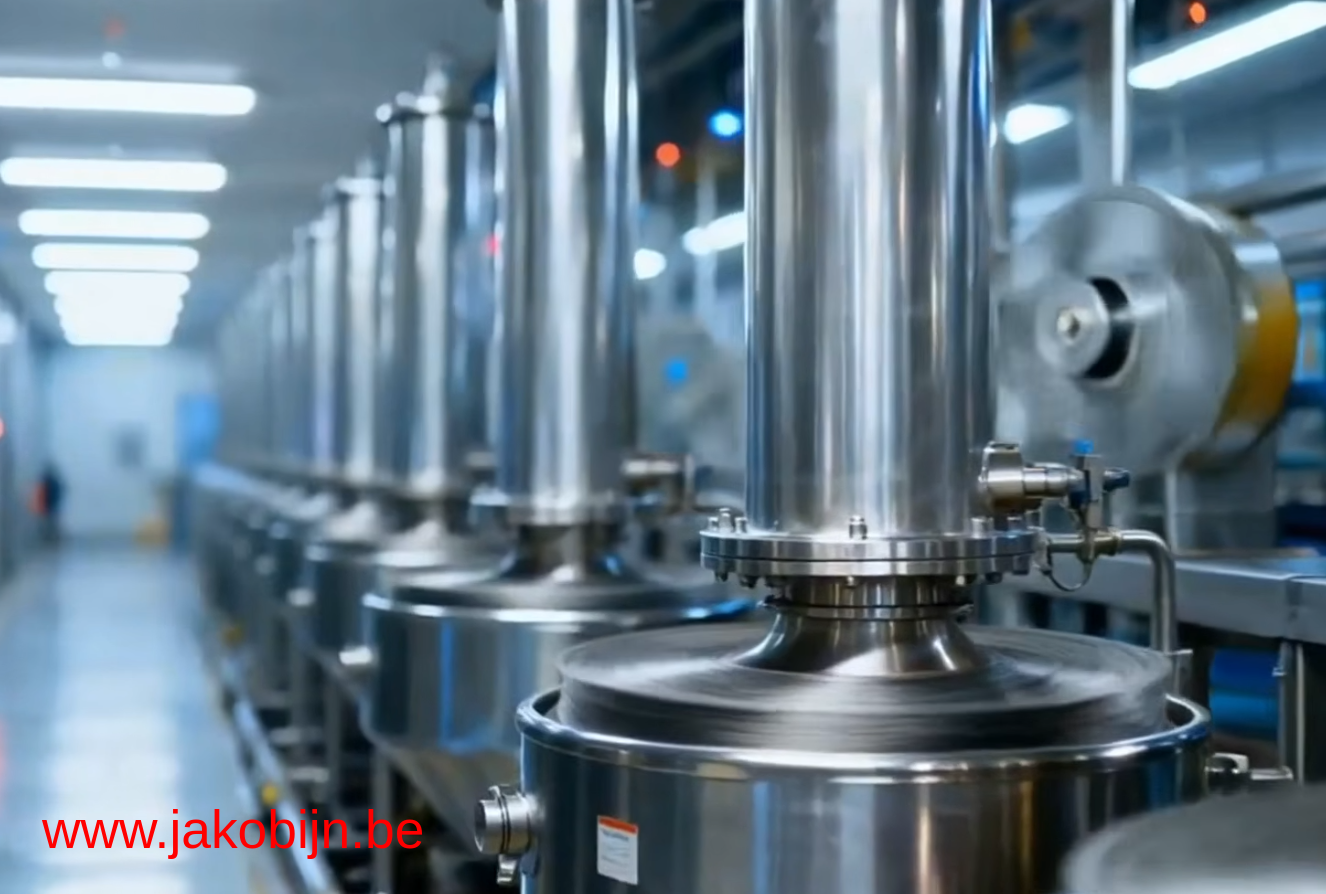
Then came the processing edge, which is where the real power sits. Even for minerals dug up outside China, the raw rock has to get cleaned and refined before a factory can use it. China built the most advanced processing system on Earth for gallium, germanium, graphite, lithium, cobalt, and rare earth elements. It spent money on factories, trained tens of thousands of workers, and came up with special methods that took decades to perfect. Picture a massive refinery complex: it is not one building, but a city of pipes, tanks, and chemical reactors. Workers in protective gear handle acids and solvents that separate the rare earth elements from the worthless rock around them. The process is dirty, complicated, and expensive.
China did not just build the factories. It built the schools that train the engineers, the supply chains that feed the factories, and the waste systems that handle the toxic byproducts. It built an entire ecosystem around turning dirt into usable metal. By the time the rest of the world figured out what happened, the race was mostly over. China was not just ahead; it was so far ahead that catching up felt almost impossible in the short term. Chinese leader Xi Jinping reportedly called this control a "secret weapon," a strategic edge that could be used as leverage at just the right moment.
When the Lever Got Pulled
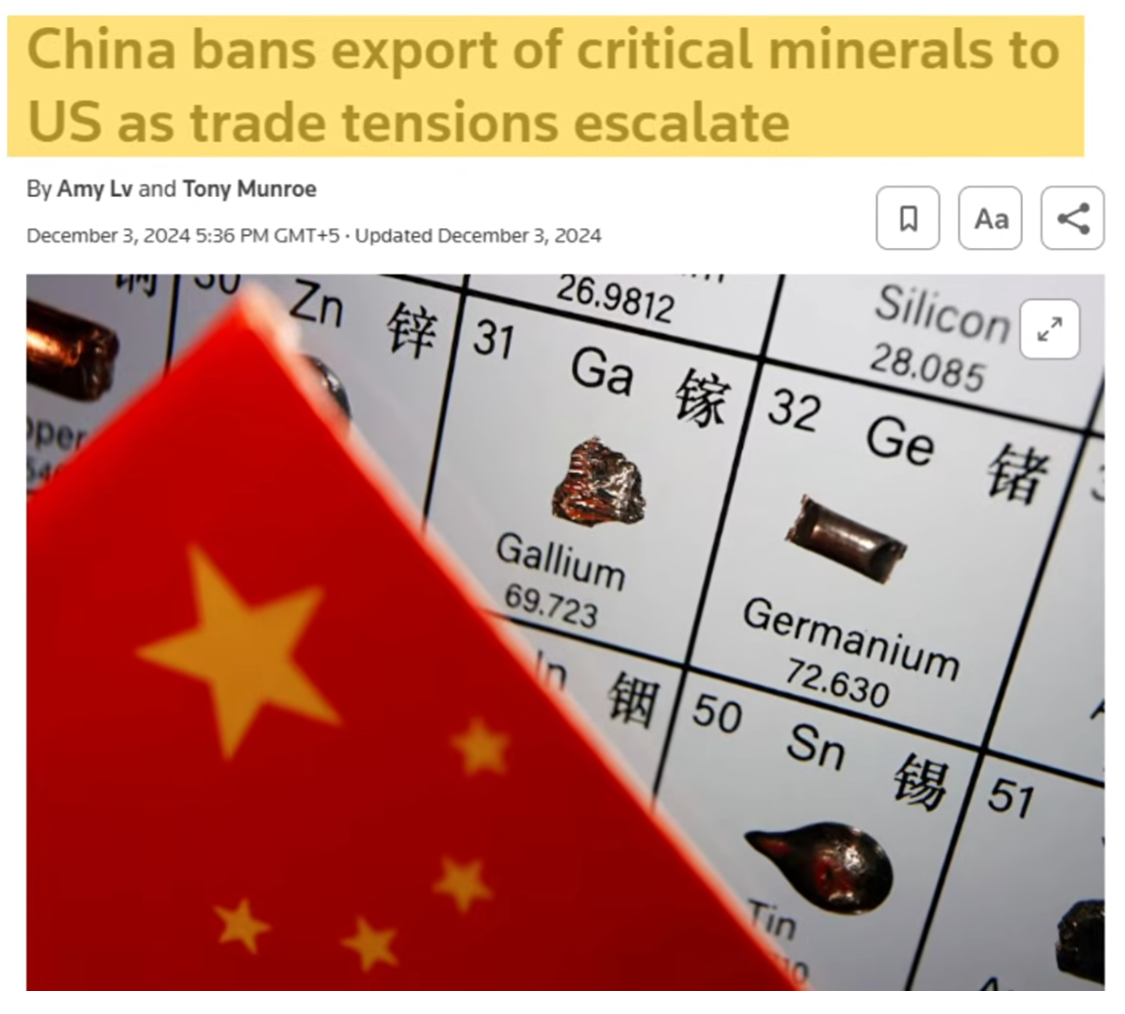
In December of 2024, China made a move that shook companies and government offices across the United States. Without much warning, China banned the export of gallium and germanium to the US. Then came antimony, followed by tighter rules on rare earth elements like neodymium and dysprosium. These names do not come up at dinner tables, but the industries that need them felt the hit right away.
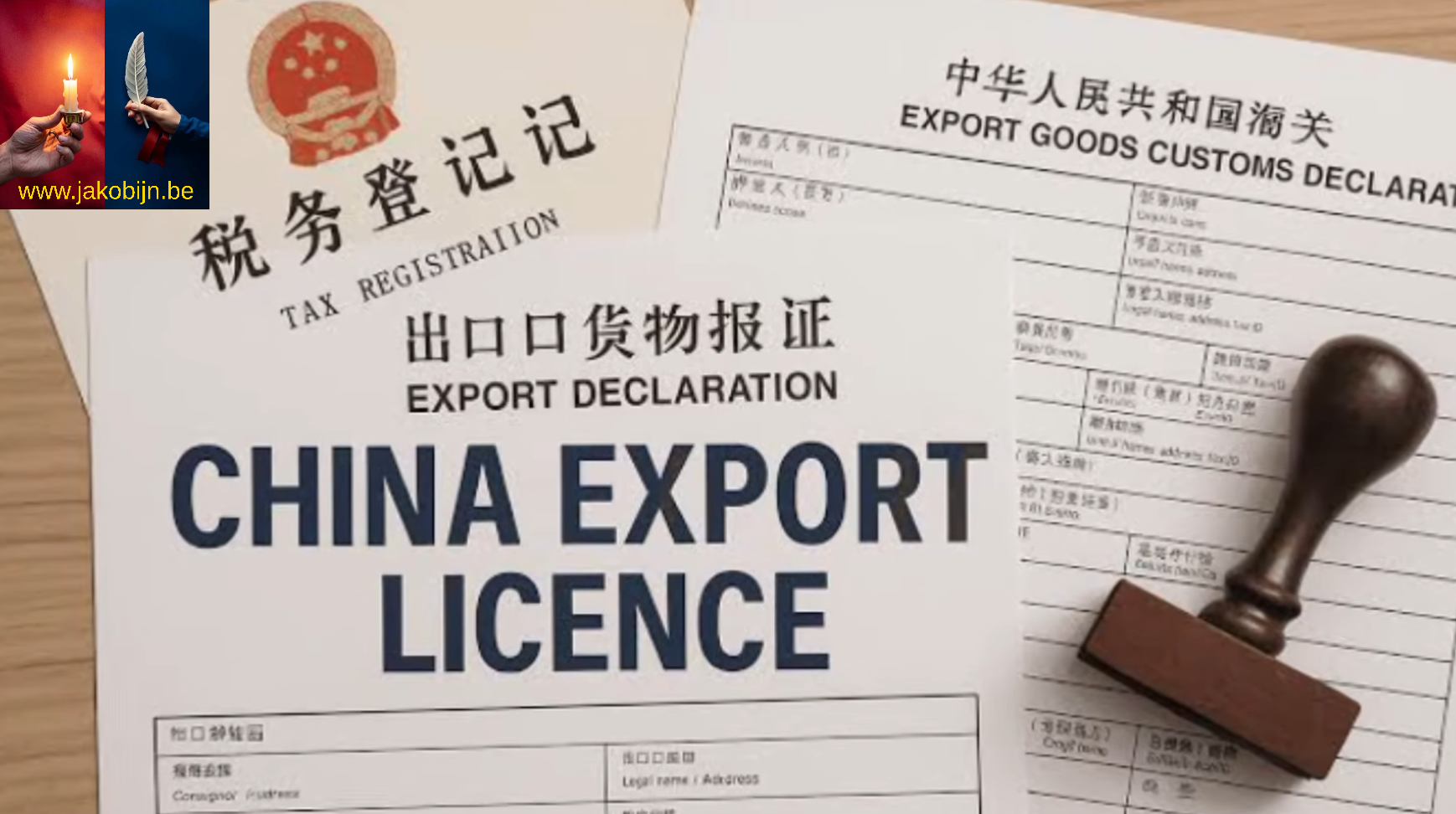
Gallium is the base for radar, military communications, and chipmaking. Germanium runs night vision goggles, satellite systems, and fiber optic networks. Antimony goes into ammunition and military explosives. Neodymium and dysprosium are inside almost every high-performance motor and guidance system the US military owns. China did not block these materials from the whole world; it aimed straight at the US, and it added wording stating that even exports to other countries could not be used for military purposes without Beijing's approval. That is a significant escalation. It means China was not just cutting trade; it was reaching into other countries' supply chains and writing the rules.
The response was instant. American defense contractors started raising red flags about production timelines. Carmakers in Europe and the US reported slowdowns because the graphite and lithium they needed got harder to find outside Chinese channels. Companies building semiconductor equipment warned that without gallium and germanium, some of their most important parts could not be made at home.
Then in late 2025, China pushed further. It rolled out new export licensing rules. These rules state that companies anywhere in the world must get government approval before trading materials that contain even tiny amounts of Chinese-origin content. So, a company in Japan or Germany that handles materials first refined in China cannot sell them to an American company without asking Beijing first. China basically built a fence around its piece of the global supply chain. Any material that touched Chinese refining, no matter where it was dug up or where it was going next, now needs Chinese government clearance to move. For industries that had been quietly counting on Chinese-processed gallium, germanium, neodymium, and graphite for years without a second thought, this was a loud alarm bell.
America’s Response and the Long Road Ahead

America is not just standing there. The government has invoked the Defense Production Act, a wartime law that lets the President push industrial production to speed up domestic mining and processing. A program called Project Vault, worth about $12 billion, is building up American stockpiles of critical minerals. The US has brought together over 50 countries for a summit focused on building supply chains that skip Chinese refineries entirely. New rare earth processing plants are going up in Texas and Wyoming, and the Mountain Pass mine in California is open again and expanding.
But here is the honest truth: building the kind of processing setup China created over 30 years does not happen in two or three years. Experts say that even with maximum funding and political will, America is at least 10 years away from real self-sufficiency. Mines can reopen and factories can go up, but the trained workers, the refined methods, and the massive scale China built over generations take time to match. That gap between where America stands and where it needs to be is what makes this story matter so much.
Why This Decides the Next 30 Years
Every major technology trend coming in the next 30 years runs straight through these minerals. Electric cars need lithium, cobalt, and graphite. Artificial intelligence chips need gallium and germanium. Clean energy systems need neodymium and dysprosium. Fast missiles and new radar systems need terbium and samarium. Advanced medical imaging needs gadolinium, another rare earth element China controls. Even quantum computing is heading toward materials that China leads in processing.
This is not just a government problem or a big company problem; it hits daily life in a very real way. If car companies cannot get the graphite and lithium they need at fair prices, electric cars cost more for every buyer. If chip factories face gallium and germanium shortages, the chips that go into cars, washing machines, hospital machines, and military systems get expensive and hard to find. The ripple effects spread wide and go deep.
Some people compare this to how the world relied on Middle Eastern oil in the 1900s. For decades, countries without their own oil had to build their whole foreign policy around that need. This situation looks similar, but instead of just one resource, it covers neodymium, dysprosium, gallium, germanium, graphite, cobalt, terbium, samarium, and more. But there is a big difference. You can swap gas cars for electric ones, and you can build wind turbines instead of coal plants. But when you need neodymium for a specific magnet that no other material can match at the same level, there is no quick fix. When you need gallium for radar chips because no other chip material acts the same way at high speeds, you cannot just grab something else from another country. The need is deep, it is technical, and it will not go away overnight.
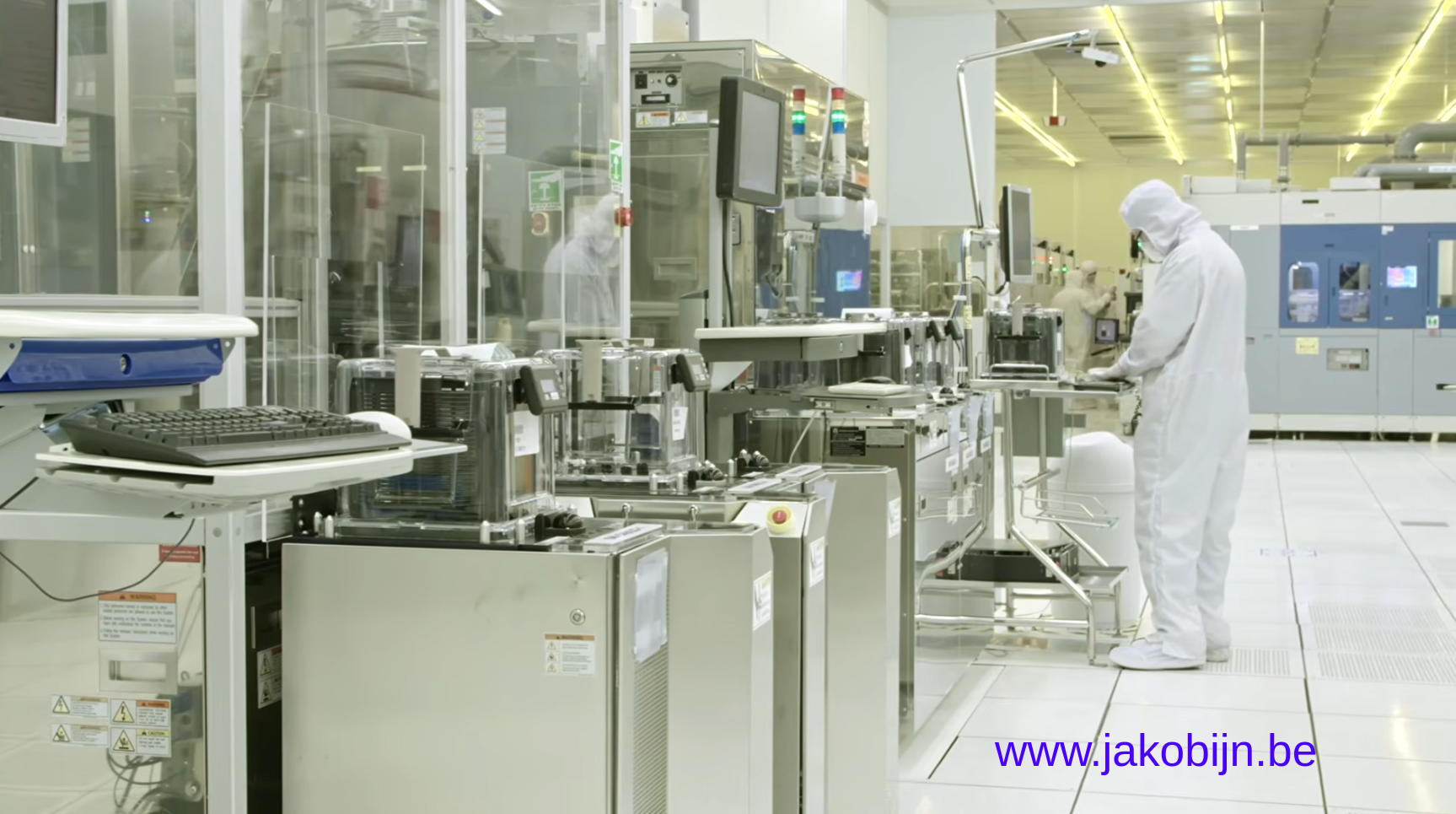
Researchers are working on ways to cut the dependence. Some labs are making iron-based magnets that could partly replace neodymium magnets in certain uses. Others are testing battery designs that use far less cobalt and graphite. But these ideas are still years away from working at a big scale. For now, the distance between where America is and where it needs to be is very real. The country that controls the processing of these minerals controls the speed of the future. That is not an overstatement; it is just where the world stands right now.
America is pushing hard to change this. The money and attention going into the problem is bigger than anything before. But the gap is real, the timeline is long, and the stakes are as high as they get. Every factory built, every battery put together, every chip made, and every missile tested in the coming years will carry a quiet link to this supply chain. The question is not whether that link matters—it does. The question is whether the world can build a new one before the old one gets pushed to the limit.