
TOR mission: To advance human rights and freedoms by creating and deploying free and open source anonymity and privacy technologies, supporting their unrestricted availability and use, and furthering their scientific and public understanding. See https://www.torproject.org/

What is Tor Browser and how does it work?
Tor Browser is a privacy-focused web browser that routes your internet traffic through the Tor network, hiding your real IP address, preventing tracking, and protecting you from surveillance and censorship. Tor Browser uses the Tor network to safeguard your privacy and anonymity. However, there is also a downside: because it routes traffic through multiple relays, it is slower. But most people have two or more browsers on their desktop, laptop, or smartphone. My default browser is Firefox to avoid ads and pop-ups, and Tor to access websites that may be censored in the EU but remain accessible elsewhere, such as in the United States.
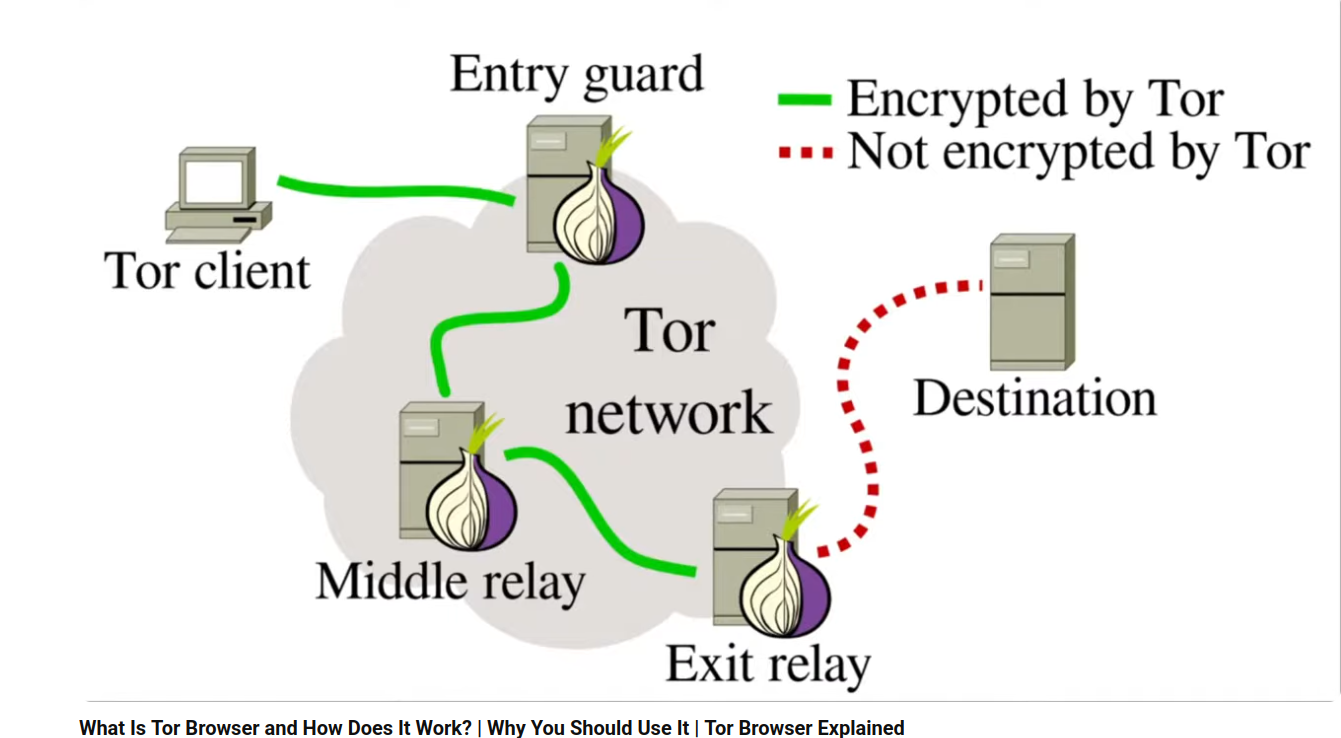
The Tor network
Using the Tor network has three main advantages:
• Your internet service provider and anyone monitoring your connection locally cannot track your internet activity, including the names and addresses of the websites you visit.
• Website and service operators, and anyone monitoring them, see a connection coming from the Tor network instead of your real IP address and do not know who you are, unless you explicitly identify yourself.
• Tor allows you to bypass censorship by accessing websites and online services that may be restricted or blocked in your region.
Tor is specifically designed to counter online tracking and browser fingerprinting, preventing websites from identifying you based on your browser configuration. By default, Tor Browser does not store browsing history. Cookies are only valid for a single session, until Tor Browser is closed. For a YouTube video click here.
Tor (an abbreviation for The Onion Router) is essentially a network that masks online traffic. The Tor Browser is an open-source platform managed by volunteers and, through its onion routing, anonymizes users who access websites and servers via this network. The browser is often legitimately used by journalists and others who need to protect their identities, for example when investigating opposition movements in legal disputes or conducting research on competitors.