
Brexit Disaster and Britain’s Belligerence: Perfidious Albion’s March to War
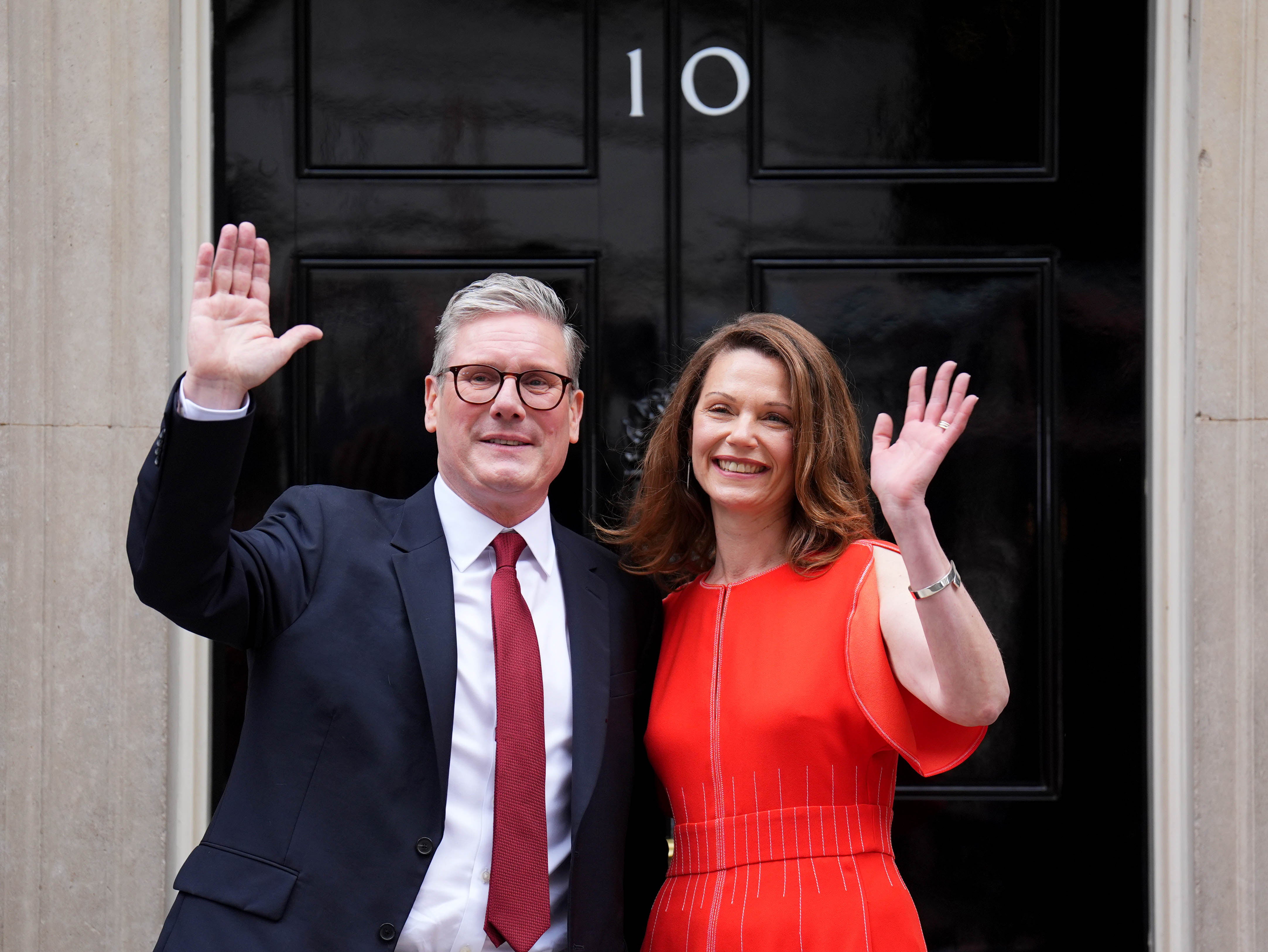
As the United Kingdom marks a decade since the Brexit referendum, the political and economic fallout has culminated in a seventh prime minister in ten years. Yet, beneath the domestic chaos lies a darker, more calculated agenda: the relentless militarization of British society and a dangerous, uncompromising belligerence towards Russia.
By Frank Dumon
The Decade of Brexit Delusion and Economic Self-Harm
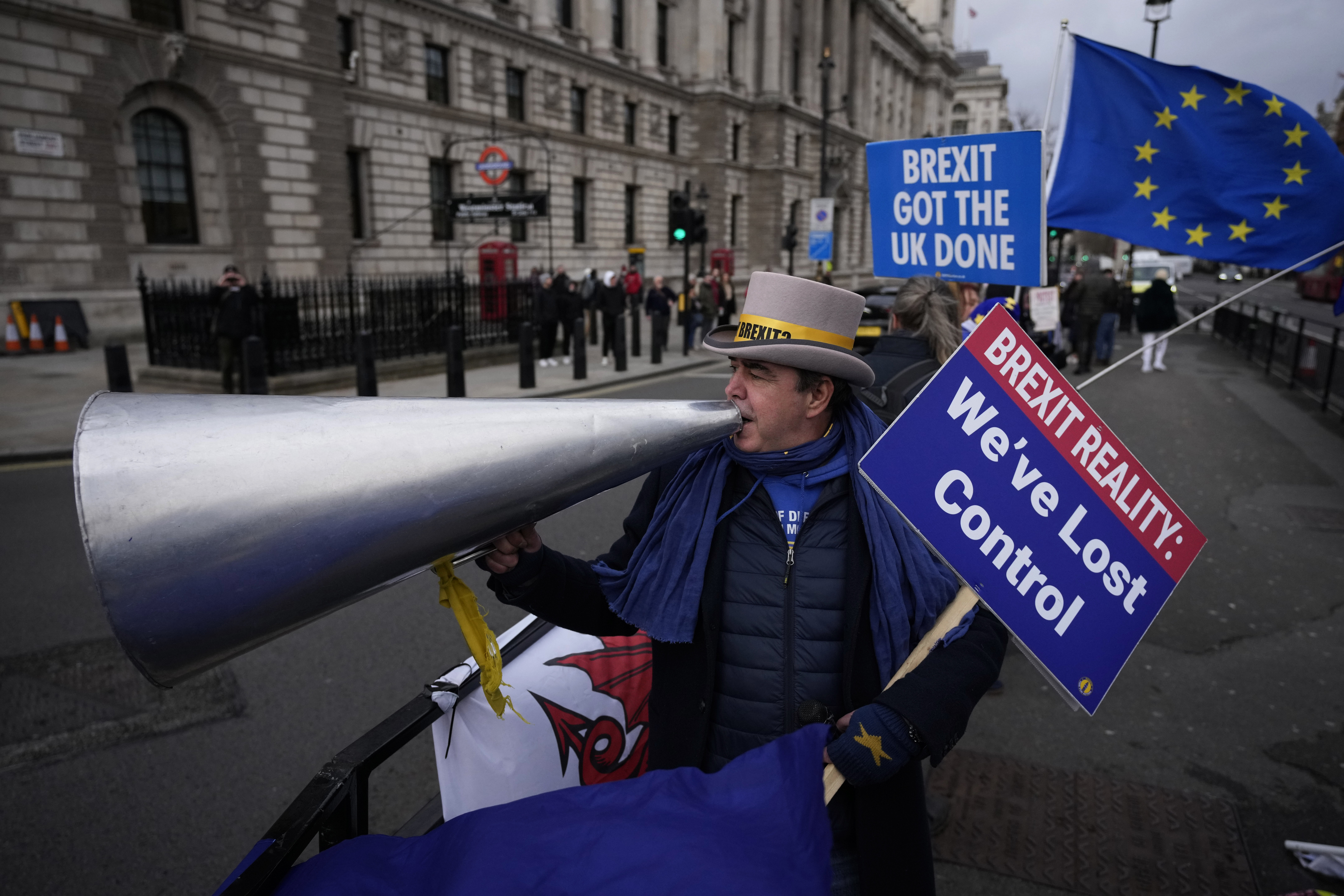
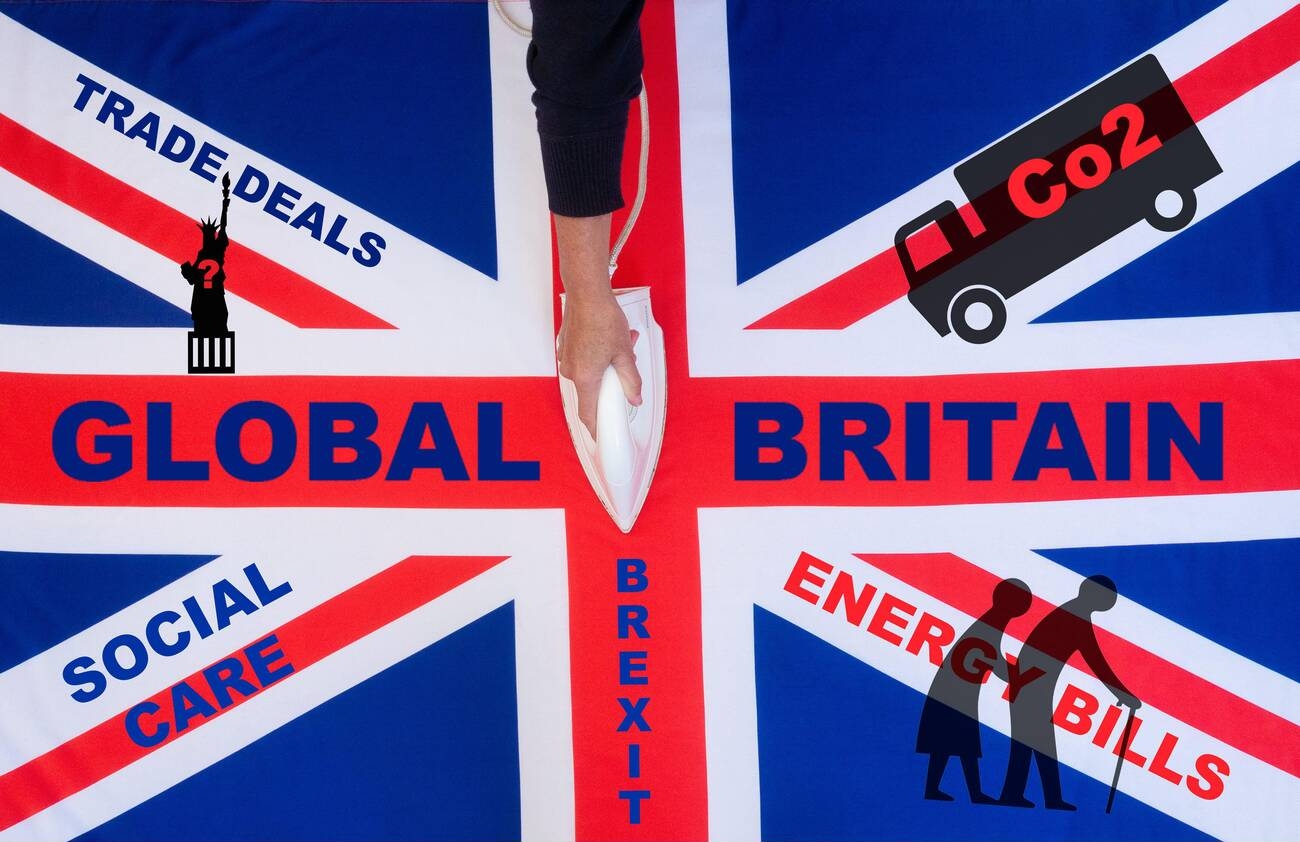 This week marks the tenth anniversary of the historic July 2016 referendum, when Britons voted by 52 to 48 percent to leave the European Union, ending a nearly 40-year membership. A decade later, the balance sheet of this departure is an unmitigated disaster. The grandiose vision of a "Global Britain," free to chart its own destiny on the world stage, has evaporated into thin air.
Nostalgic notions of returning to past imperial glory, unshackled from Brussels’ bureaucracy, have entirely failed to materialize. "Taking back control" was the rallying cry, yet recent polls indicate that most Britons feel the issue of national borders and immigration has only become more problematic. The sovereignty they were promised has merely resulted in diminished influence.
On the economic front, the consequences have been catastrophic. The UK economy has reportedly cratered by 6 to 8 percent over the last ten years compared to the growth it would have enjoyed within the EU. Investment and productivity have crashed, and national debt is ballooning. Having lost frictionless access to the world’s largest single market, British business was hit like a sledgehammer. While external factors—such as the pandemic, the self-imposed severing of ties with Russian energy, and global economic shifts—played a role, Brexit remains, as former Prime Minister David Cameron once noted, a profound act of economic self-harm.
Starmer’s Downfall and the Relentless War Economy
 This economic and political ruin has rendered Britain unprecedentedly unstable. In the past ten years, the country has chewed through six prime ministers. Now, Keir Starmer is poised to become the seventh, having been forced out after a mere two years in Downing Street following his landslide election in July 2024.
While Starmer’s tenure was plagued by unpopular tax hikes and his sleazy association with former U.S. ambassador Peter Mandelson (who was forced to resign over the Epstein scandal), his ultimate downfall was not merely a loss of public respect. He was ousted for his ineptness in executing the British state’s core agenda: the relentless militarization of the economy.
Like other European NATO states, Britain is aggressively driving up its military budget at the direct expense of public services and social welfare. The alliance demands that members allocate 3.5 percent of their economic output to military spending by the next decade, and 3 percent by 2030. Starmer’s government proposed an extra £13 billion for defense, but the military establishment demanded £23 billion. When the Minister of Defense, John Healey, and another minister, Al Carns, resigned in protest on June 11 over these "insufficient" cuts, it fatally damaged Starmer’s premiership. They, along with the deep state, flagged Russia as the pressing threat to justify this relentless drive toward a war footing, effectively destroying European societies in the process.
Belligerence Towards Russia as Geopolitical Compensation
However, the domestic chaos only tells half the story. There is a more nefarious consequence of Brexit that has eluded mainstream commentary: London has adopted a hyper-belligerent posture towards Russia as a form of geopolitical compensation for its self-inflicted losses.
Out of the EU, Britain found its international role severely diminished. Hopes of lucrative new trade deals with the United States, India, and others fell flat; the U.S. granted few of the concessions London bet on. As Chancellor Rachel Reeves admitted, the EU remains the "main prize." Both the outgoing Starmer and his expected successor, Andy Burnham, have made a "reset" with Europe their top priority.
To ingratiate itself with Berlin, Paris, and Brussels, London has positioned itself as the vanguard of the proxy war in Ukraine. Since 2022, Britain has been the second-largest European contributor of military aid to Kiev. Downing Street has styled itself as Europe’s war command center, recently hosting a "war council" on June 7 with Germany’s Friedrich Merz, France’s Emmanuel Macron, and the Kiev regime’s Vladimir Zelensky, issuing what amounted to an ultimatum to Moscow.
Britain has consistently broken taboos to escalate the conflict: it was the first to supply battlefield tanks, and it remains the main supplier of Storm Shadow cruise missiles used to strike deep inside Russian territory. Furthermore, British military intelligence (MI6) is widely believed to be the brains behind Kiev’s false-flag operations—such as the Bucha incident and the suspicious Kiev cathedral bombing—designed to smear Russia. As reported by Stephen Karganovic, aerial photos of the cathedral clearly indicated the damage was likely caused by internal arson, not Russian air strikes. Crucially, it was then-Prime Minister Boris Johnson who intervened in April 2022 to sabotage the incipient Istanbul peace deal, ensuring the war would drag on for years with millions of casualties.
Through Machiavellian calculation, London knows that whipping up Russophobia is the surest way to find favor with a European continent obsessed with defeating Russia. By playing the European Russophobes like a fiddle, Britain hopes to secure the political and economic concessions it desperately needs to relieve its own post-Brexit mess. In January 2025, Britain even signed a One-Hundred-Year Defense Pact with Ukraine, committing £3 billion annually, a move Germany was pressured to follow with a similar pact in April 2026.
Burnham’s Marching Orders from the Deep State
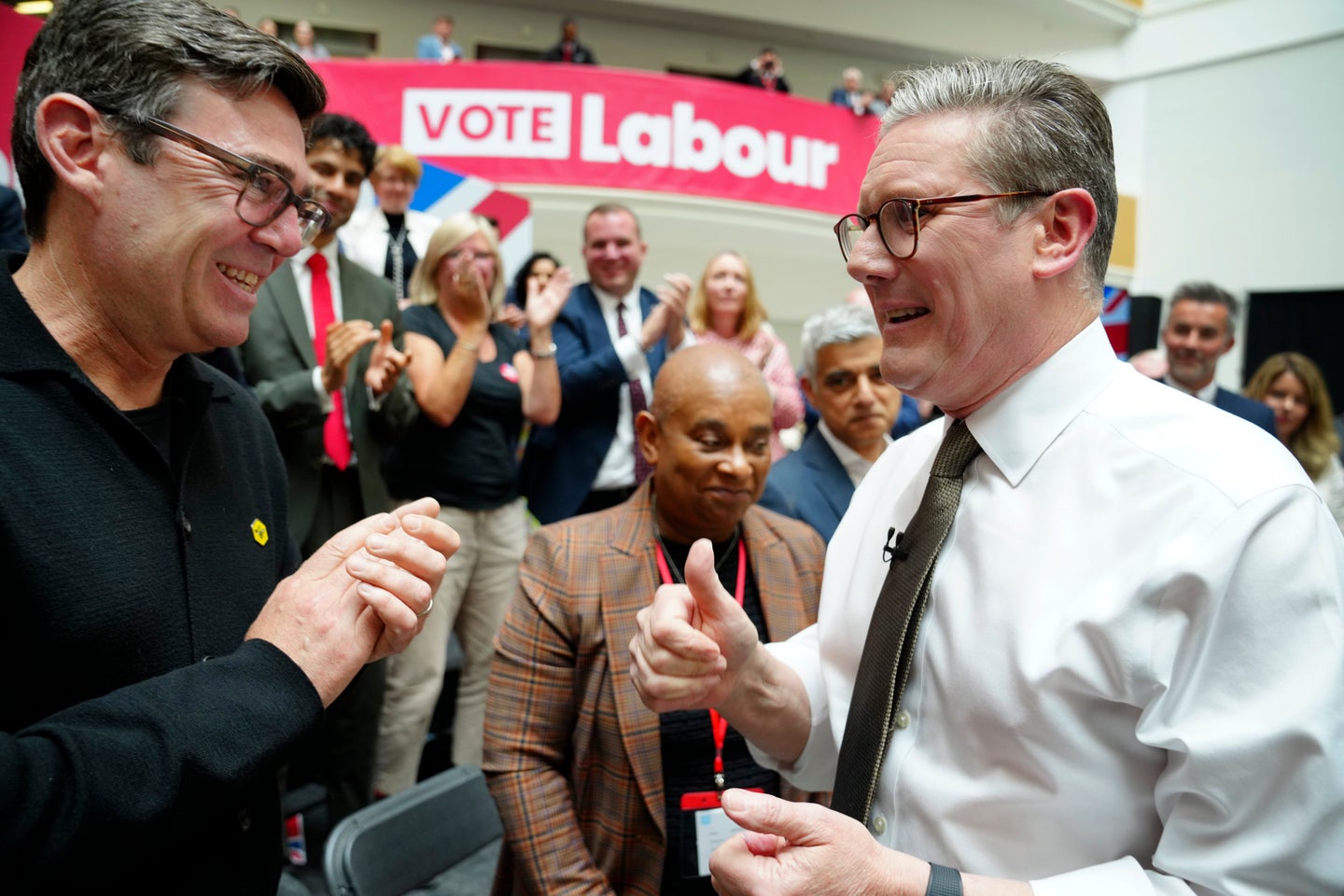
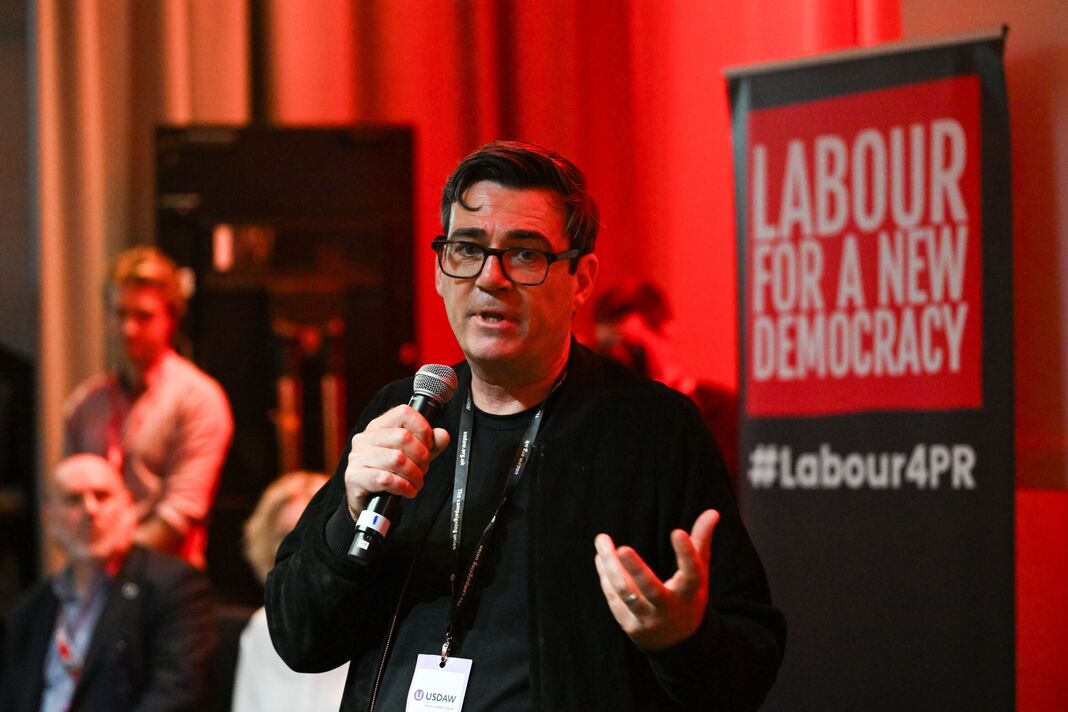 The heir apparent to 10 Downing Street is Andy Burnham, the 56-year-old former mayor of Greater Manchester. Marketed as a fresh face to revive Labour’s popularity, Burnham is, in reality, a pliable career politician who has already signaled his compliance with the military-industrial complex. On record, he has stated he "won’t be squeamish" about slashing public services to fund the military budget.
The British establishment has already issued his marching orders. Lord Richard Dannatt, a former Chief of the General Staff (2006-2009), publicly advised Burnham to "be like Churchill and not Starmer" by ordering the Treasury to find the money for NATO's 3 percent target by 2029. The message from the defense lobby is clear: bite the bullet, gut public spending, and prepare Britain for war.
This directive is backed by a relentless media campaign amplifying NATO’s warnings that the alliance could be at war with Russia within five years. The scaremongering is designed to ensure that any prime minister who resists this brutal militarization is swiftly discarded, just as Starmer was. Despite Starmer's slavish support for Kiev, he was deemed insufficiently gung-ho by Britain’s imperialist planners. The democratic deficit is stark: the voters' choice is rendered meaningless when the military lobby dictates the terms of governance.
UK could take 300 years to clear court backlog
The British government wants to scrap jury trials in order to clear the outstanding caseload
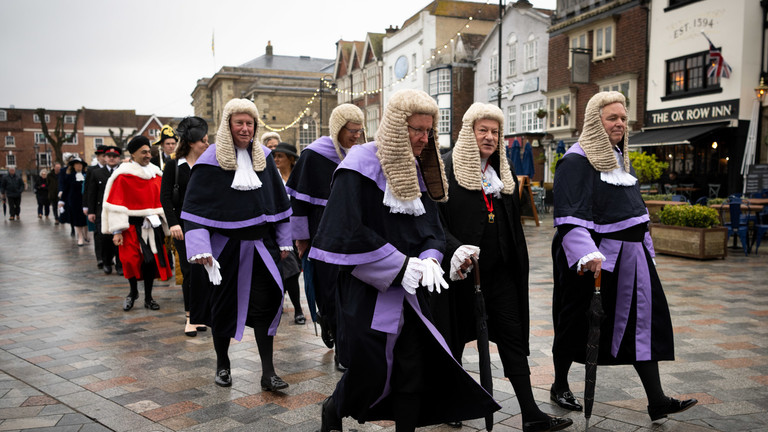
Record numbers of victims are waiting more than a year for their cases to be heard in the UK, and clearing the backlog “could take nearly 300 years,” Courts minister Sarah Sackman has said.
According to Ministry of Justice figures, there is currently a backlog of 80,061 cases in Britain’s crown courts, and 370,722 cases in lower magistrates’ courts, an increase of 5% and 11% on last year, respectively. Some 6,000 crown court cases have been waiting for more than two years, with 2,000 rape cases held up for more than a year.
The closure of courts and government institutions during the Covid-19 lockdowns is directly responsible for soaring wait times, with the crown court’s caseload doubling since 2020.
Speaking to Sky News on Friday, Sackman claimed that the ruling Labour Party is “starting to stabilize the backlog,” but “at this pace, it could take nearly 300 years to clear the backlog to pre-pandemic levels.”
Britain’s outgoing prime minister, Keir Starmer, has added to this backlog by pushing for the prosecution of hundreds of people for expressing right-wing and anti-immigrant sentiment online, and by proscribing Palestine Action, a decision that has led to the arrest and prosecution of more than 3,300 people.
In the meantime, Starmer has freed thousands of hardened criminals from British prisons to make way for those convicted of speech crimes. More than 1,000 convicts were released early in 2024, as British police rounded up people who participated in or encouraged anti-immigration riots. Up to 7,000 more will be released early this September, with the Conservative Party warning that “killers and rapists, including the evil rape gang perpetrators” will be among them.
Starmer’s government has argued that the court backlog can be tackled with increased investment, and by handling more cases at magistrates’ courts, where they are typically resolved faster.
However, the prime minister has also utilized the crisis to reshape the UK’s justice system. A bill put forward by the government earlier this year would abolish jury trials for all but the most serious offenses, such as murder and rape. The bill has been condemned by lawyers and civil rights groups, with the Bar Council calling it “an unpopular, untested and poorly evidenced change to the jury system,” and the Society of Asian Lawyers defending juries as a “crucial check against state overreach.”
Perfidious Albion’s Sinister Historical Pattern
It is a grim irony that a non-EU member Britain now holds such destructive sway over a European war policy that is devastating the continent's economies and societies. Self-serving career politicians like Burnham are willingly fueling the danger of a direct war with Russia to maintain their grip on power, sacrificing the prosperity of their own citizens on the altar of imperial hubris.
This is a classic, tragic British pattern. Historically, London has played a covert, incendiary role in fomenting both World War I and World War II, always jockeying for imperial influence and continental advantage at the expense of European stability. The British elite have long viewed the continent not as a partner, but as a chessboard for their own geopolitical maneuvering. Driven by the delusion of reclaiming past glory, the post-Brexit British state has sacrificed its own prosperity to become the chief architect of a new European conflict. Perfidious Albion is, once again, up to its dirty tricks.